
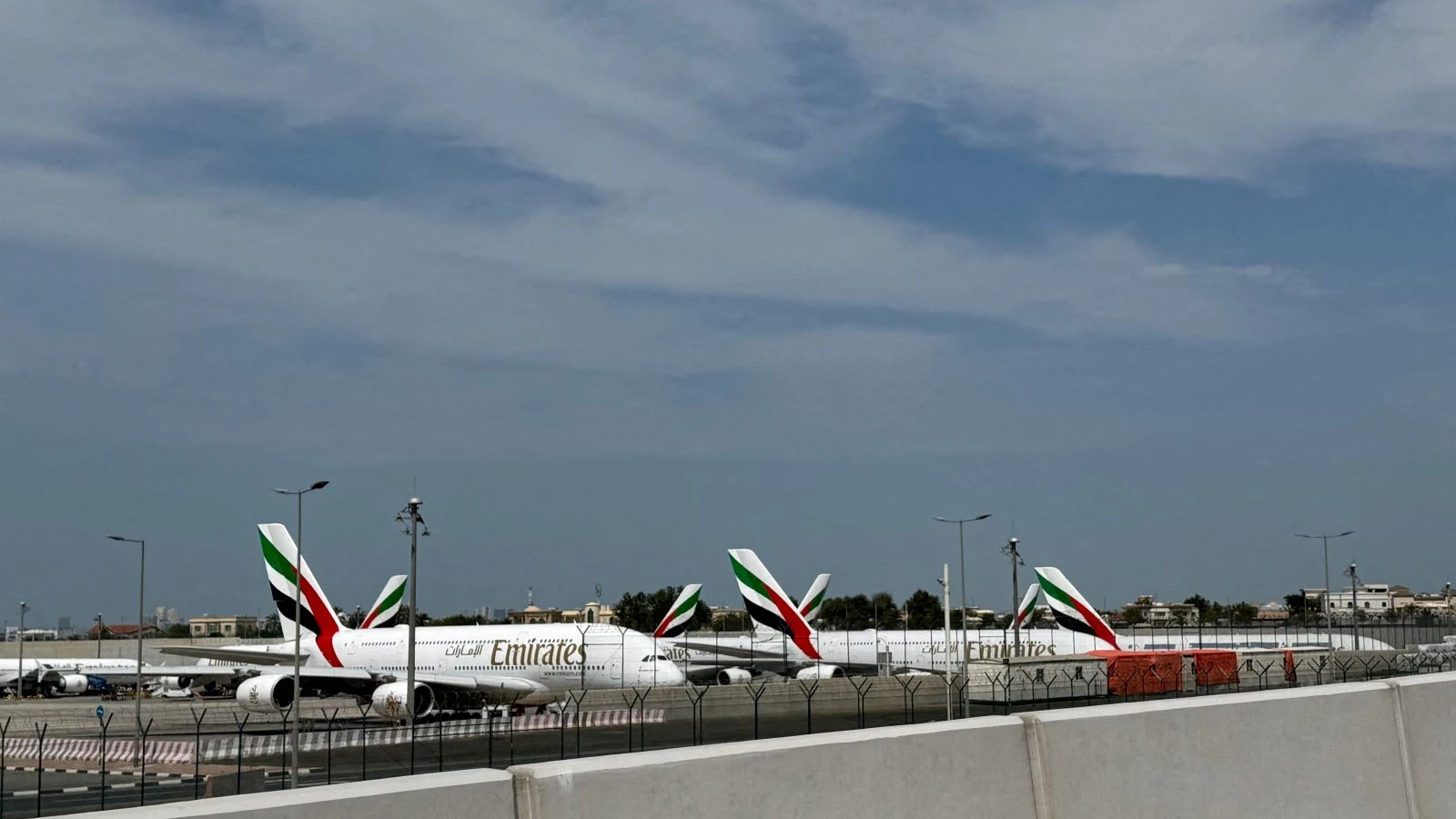
According to WTTC (World Travel & Tourism Council), the global organization that represents companies in the travel and tourism industry, Operation Epic Fury is causing the industry more than $600 million a day in losses due to the cancellation of airline travel, cancellation of reservations, closure of airspaces and reduced or ceased operations of major airport hubs in the Middle East.
Hubs such as Dubai, Abu Dhabi, Doha and Bahrain account for 5% of arrivals and 14% of transit journeys worldwide; This means approximately 526 thousand passengers per day. Instability and booking cancellations are creating a knock-on effect, affecting hotels, restaurants, cruise tourism, the car rental industry and other travel-related services.
WTTC President and CEO Gloria Guevara says:
“History shows that the industry can recover quickly, especially when governments support travelers with measures such as hotel support or the repatriation of citizens. Our analysis of previous crises shows that tourism is often one of the fastest recovering sectors after security-related incidents; in some cases, recovery can occur within two months when governments and the industry work together to restore confidence.”
According to WTTC’s pre-war estimates, total spending by international visitors in the region this year was expected to reach $207 billion.
Most affected destinations
The biggest operational problems currently occur in the United Arab Emirates; Problem rate is 92%. This affects not only the destination itself, but also the long-haul flight network to Asia, Oceania and the Indian Ocean.
The second largest center affected by the war is Qatar. This shows that the crisis is not only geopolitical but also a crisis related to air transportation infrastructure.
Due to the chain effect, many destinations normally reached via the Gulf are also affected. These include China, Thailand, Maldives, India and Australia.
Passenger behavior
40 percent of passengers cancel their trip completely. 45 percent are putting travel on hold and waiting for a better time. 17 percent change their trip to another destination.
Demands from countries considered safer, such as the USA, also create problems. Travelers are wary of tightening check-in procedures before booking, and 40 percent of customers will neither cancel nor confirm a U.S. trip.
New worry for summer
The biggest fear towards summer is that the constant increase in oil prices will make flight tickets expensive.
According to nearly two-thirds of travel agencies, a mandatory price update on ticket prices will be required.
