
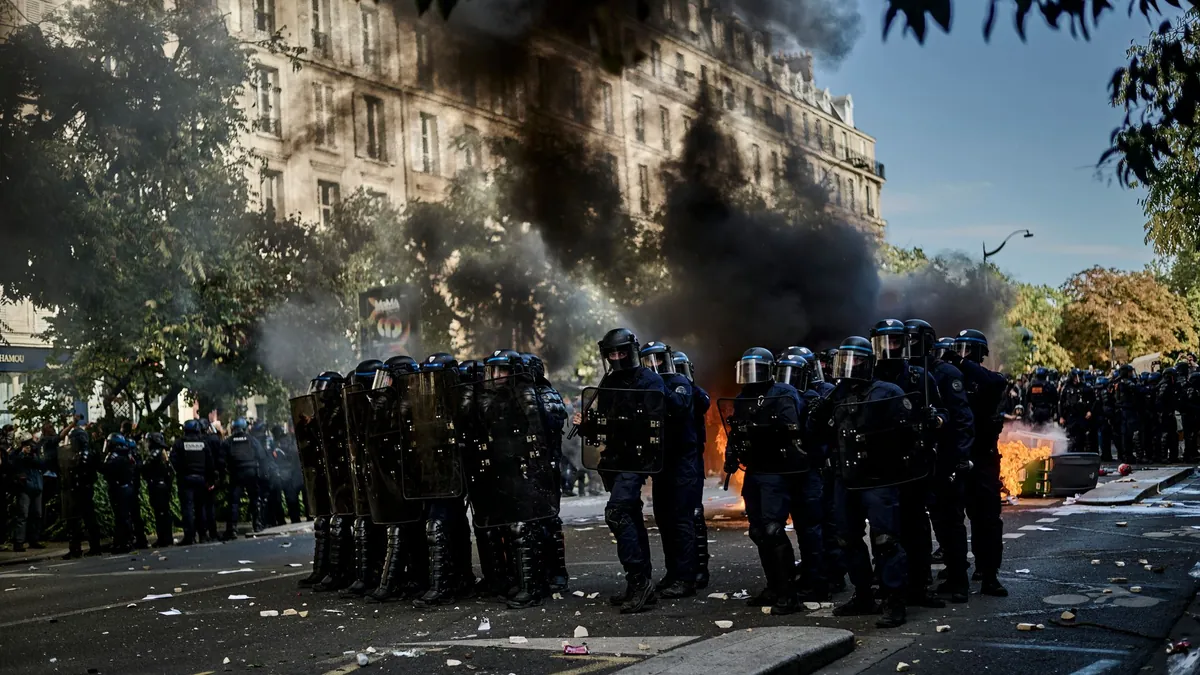
Worry about violence
“We’re fed up!” – France before protest day
Updated 10/17/2026 – 5:00 amReading time: 3 minutes

High costs for food, energy and gasoline are putting people on the streets. Unlike usual, this time the call for protest comes via social media – could a new yellow vest movement emerge?
To nationwide protests against the high cost of living France Tens of thousands of participants are expected this Saturday at numerous demonstrations, rallies and actions. The authorities fear blockades, riots and violence and have announced a tough police crackdown. Almost seven months before the presidential election, the government wants to prevent the student protests of the past few weeks from turning into a general wave of protests.
Why are people taking to the streets now?
Autumn is a time of protest in France and when politicians begin budget discussions, people regularly demonstrate against austerity measures. Now dissatisfaction and problems are coming together in many areas: gasoline, food and energy are expensive, many people have to make do with low salaries, agriculture is struggling with problems after a summer of drought, and students are fed up with the poor facilities in their schools.
Who is demonstrating this Saturday?
Unlike usual, the calls for demonstrations and actions did not come from the major unions, but from social media. “On en a marre!” (we’re fed up!) is the motto for the protests there. In addition to schoolchildren and students who have already taken to the streets in recent weeks, people from a wide range of areas are expected to express their dissatisfaction with, for example, social welfare, wages, the development of disadvantaged neighborhoods or the commitment to climate protection.
How is the government reacting – and what are its limits?
All protesting groups are united by the demand that the government, politics and the state as a whole should solve the problems; many people feel insufficiently supported or left in the lurch. The government has already paid or guaranteed refueling assistance and subsidies for energy bills for people with low incomes. Farmers should receive help and 3,000 substitutes have been organized for students complaining about missing classes.
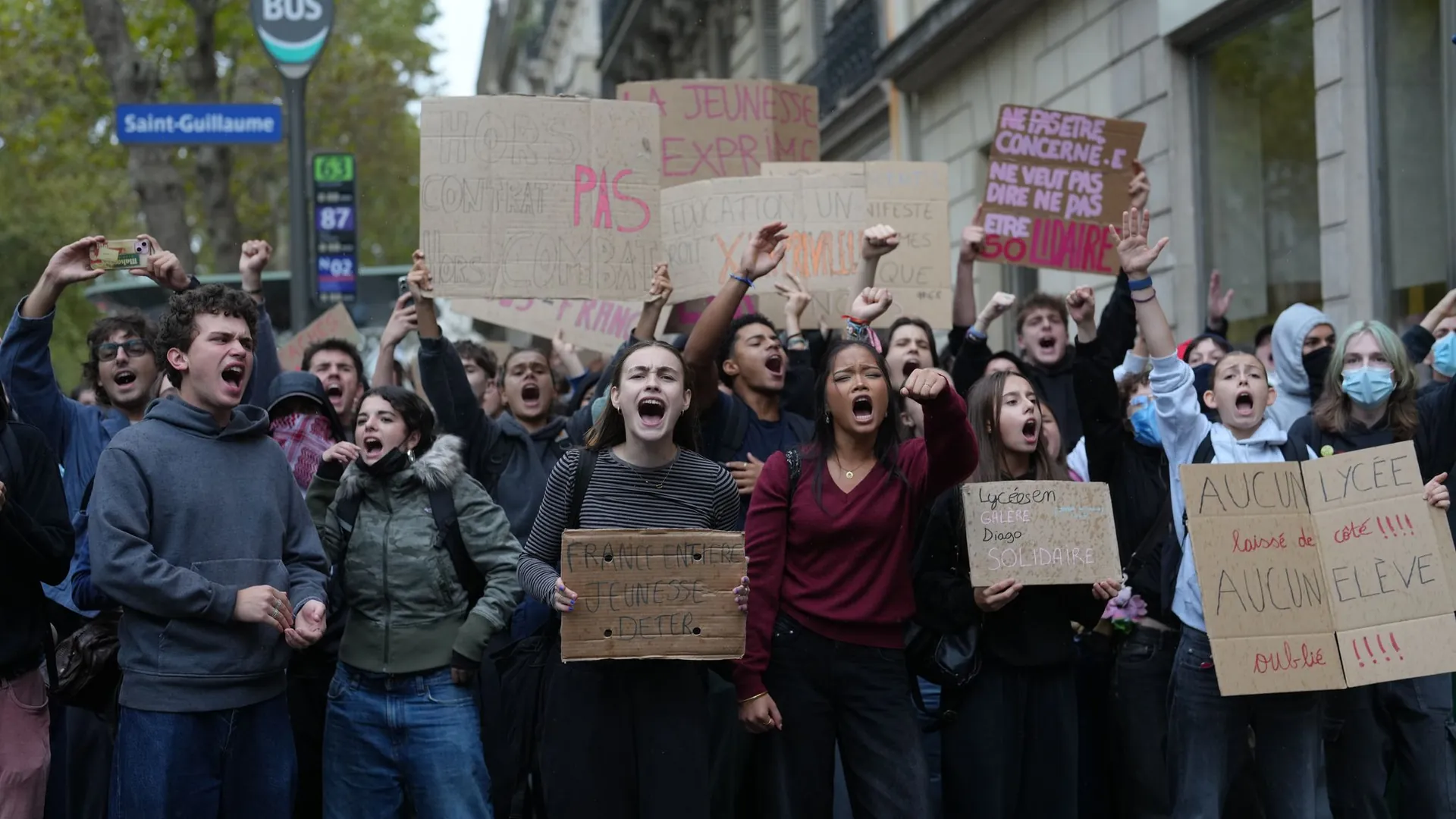
president Emmanuel Macron but also emphasized that the war in the Middle East with all its consequences and other conflicts are not in France’s hands. Prime Minister Sébastien Lecornu said that many of people’s problems at the moment were not of their own making and that the government could not – as often happened in the past – respond to every crisis with billions in aid. France is heavily indebted and discussions on an austerity budget have just begun in parliament.
Is a new yellow vest protest forming?
A bugbear for the government is the call for a new yellow vest movement. The widespread protests this Saturday could be the spark that ignites this. The yellow vest protest kept France in suspense between November 2018 and spring 2019 and spread like a wildfire out of nowhere. The trigger at the time was a planned increase in taxes on fuel. This quickly gave rise to a broader movement against the high cost of living and social injustice, which hampered Macron during his first term in office.
