
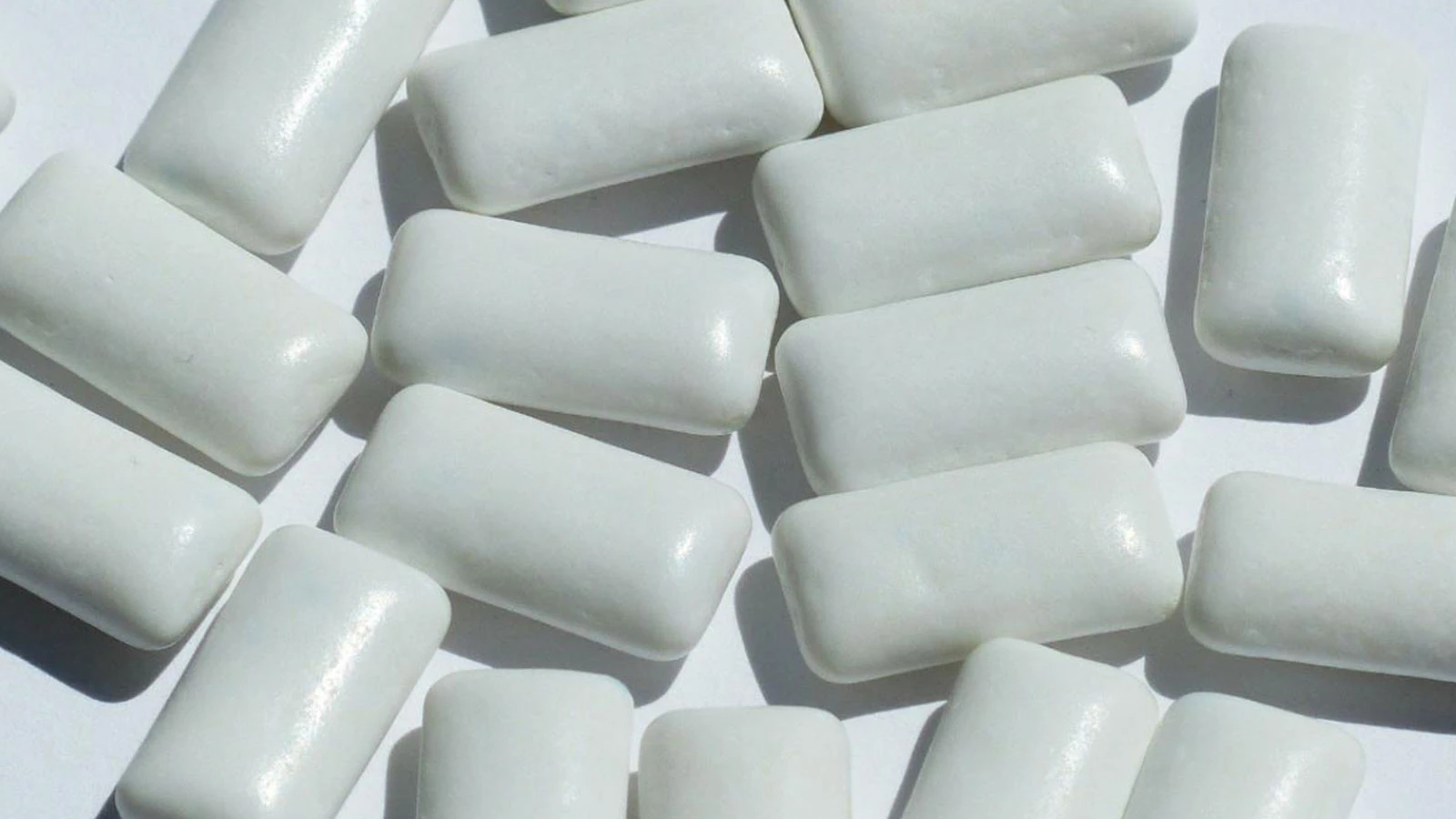
It is known that microplastics are encountered in many points of daily life, from water bottles to food packaging, from kitchenware to textile products. However, recent research has also brought a much more ordinary habit to the agenda: chewing gum. A study by University of California Los Angeles (UCLA) researchers revealed that chewing gum can release microplastic particles into saliva during chewing. The results of the research were published in the Journal of Hazardous Materials Letters. The first findings of the study were previously shared at the 2025 spring meeting of the American Chemical Society (ACS).
THOUSANDS OF PARTICLES FROM A SINGLE GUM
In the research, 10 different chewing gums sold in the market, five synthetic and five natural, were examined. According to the results, chewing gums can release between 4 and 636 microplastic particles per gram into saliva, while the average value was calculated to be approximately 100 particles per gram. The numbers become more striking depending on the size of the gum. Since the weight of commercial gums can vary between approximately 2 and 6 grams, it is stated that a large piece of gum can release nearly 3 thousand microplastic particles during chewing. According to UCLA’s calculations, a person who consumes 160-180 small gummies a year can be exposed to approximately 30 thousand microplastic particles just because of this habit.
THE FIRST 2 MINUTES ARE CRITICAL
One of the most striking results of the study was the timing of microplastic release. While most of the particles broken off from the gum were released at the very beginning of chewing, it was determined that the release accelerated especially in the first two minutes. By the eighth minute, approximately 94 percent of the microplastics measured throughout the experiment were seen to have separated from the chewing gum. According to researchers, the main reason for this is mechanical wear that occurs during chewing, rather than enzymes in saliva. Lisa Lowe, one of the research team, points out that for those who want to reduce microplastic exposure, chewing the same gum for a longer period of time instead of buying new gum at short intervals can provide lower exposure.
BEING “NATURAL” IS NOT ENOUGH
One of the results that surprised the researchers was that the difference between natural and synthetic gums was much less than expected. While petroleum-based polymers can be used to provide the chewable structure in synthetic chewing gums, plant polymers obtained from tree extracts such as chicle are used in natural chewing gums. Therefore, at the beginning of the research, it was thought that synthetic gums would release much more microplastic. However, as a result of the experiments, no significant difference was found between the amounts of microplastic released by natural and synthetic chewing gums. Plastic types such as polyolefins, PET, polyacrylamides and polystyrenes were detected in the samples from both groups.
