
European Central Bank (ECB) President Christine Lagarde announced in her statement that she will leave her post on February 7, 2027. Lagarde, who decided to end her eight-year term, which will end in October 2027, early, is the head of the most important economic institution in the region where 21 countries use the euro as the common currency. A source told Reuters that Lagarde wants to participate more actively in political debates and international issues in France. However, the timing of the resignation also attracts attention. As the 2027 Presidential elections in France approach, and at a time when far-right Marine Le Pen is gaining power, the governments of European Union member states want to determine the new Central Bank Governor before the elections.
INFLATION IS RISING, INTEREST IS INCREASING
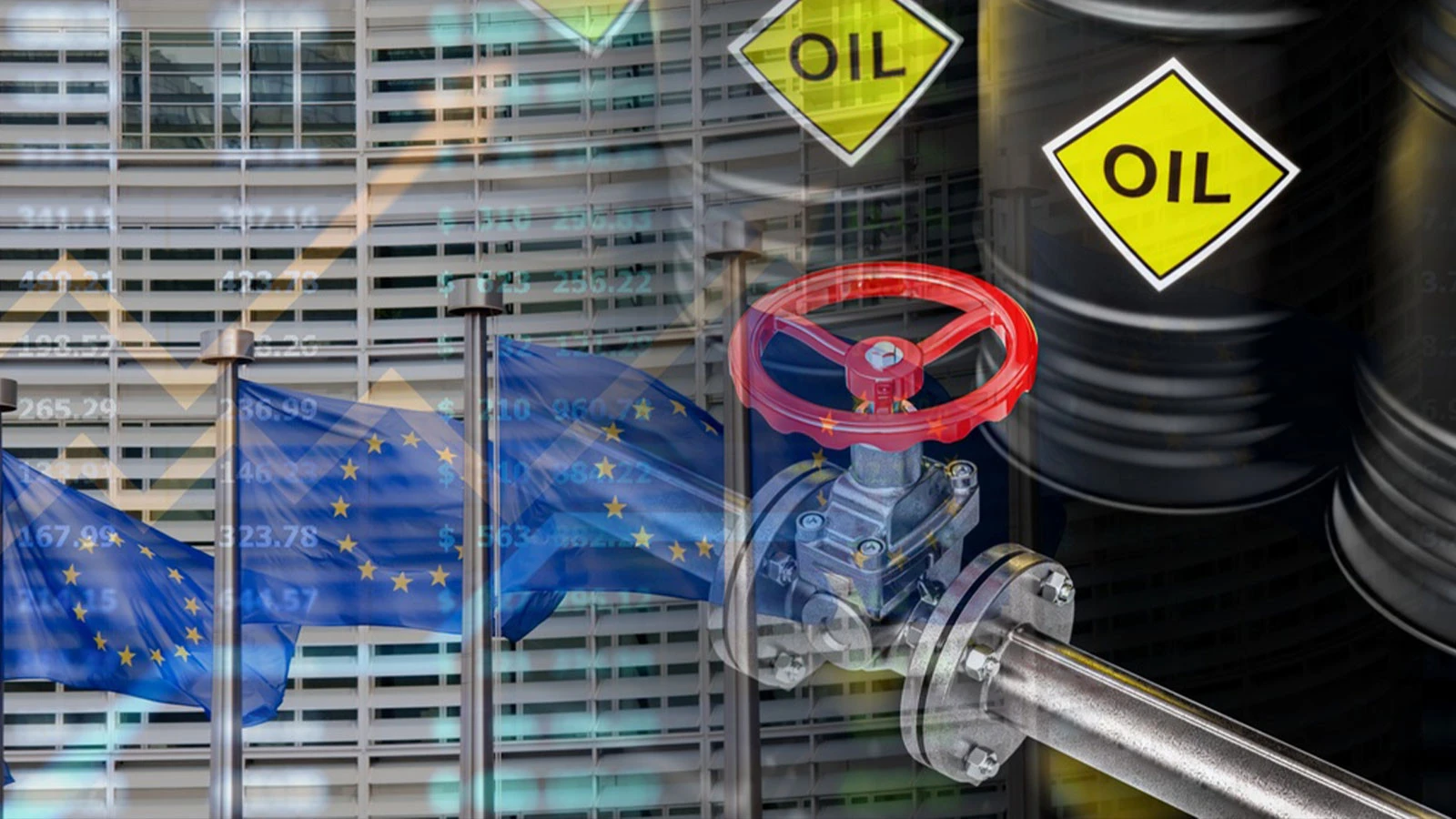
According to economic experts, the main dilemma of the European economy is that stagnant growth and rising inflation occur at the same time. The increase in oil and natural gas prices due to the Iran war increased the production costs of the industry and the energy bills of households. Inflation in the Eurozone rose to 3.3 percent in August and reached 3.8 percent in September. The ECB raised interest rates in June and September to stop price increases; The basic deposit interest increased to 2.5 percent. According to the bank’s September forecasts, the eurozone economy will grow by only 0.9 percent in 2026. In turn, more expensive loans make it more difficult to acquire housing, increase financing costs for small businesses, and limit investments. The bank loans research published by the ECB on October 27 also showed that loan conditions for companies and consumers have tightened. According to experts, the interest rate policy used by the Central Bank to fight inflation is turning into a mechanism that aggravates the burden of the energy crisis on wage earners, debtors and small businesses.
DEBT CRISIS IS GROWING IN FRANCE
Political and financial uncertainty in France, Europe’s second largest economy, is another development at the center of Lagarde’s resignation. While the interest demanded by investors increased due to the country’s growing public debt and budget deficits, the risk difference between French government bonds and German bonds widened. According to Le Monde, France’s borrowing costs have reached their highest level in nearly a quarter of a century. The main options discussed in Europe’s economic management are reducing budget deficits by reducing public expenditures, increasing tax revenues and the Central Bank’s intervention in the bond market. Erasing the part of the public debt held by the ECB is also being discussed in left-wing groups in the European Parliament. On the other hand, governments pro-fiscal discipline advocate limiting spending. Although the ECB has a Bond Transfer Protection Instrument developed against excessive market pressure, the use of this mechanism for France has not yet been finalized. According to Le Monde, the social dimension of the crisis is obvious: Cutting social expenditures on the grounds of reducing public debt will directly affect large segments of the population benefiting from health, education and social security services.
EUROPE IS SUCKED BETWEEN INTEREST, INVESTMENT AND DEBT
Instead of Lagarde, the names of former Dutch Central Bank Governor Klaas Knot and former Spanish Central Bank Governor Pablo Hernández de Cos stand out. While the knot is associated with tighter monetary policy, the economic priorities of the countries will also be decisive in the bargaining between European governments. The ECB argues that new interest rate increases can be made if necessary to prevent inflation from becoming permanent. The structural solutions proposed by the bank in its September statement include harmonizing regulations in the European common market, accelerating the energy transition, integrating capital markets and strengthening public finances. However, it is unclear how these measures will yield results in the short term in the face of high energy prices, loss of competition in the industry and worsening borrowing costs. The main contradiction facing Europe is the tension between interest rate policy that suppresses economic activity to lower prices and the investment and public spending needed to stimulate growth.
