
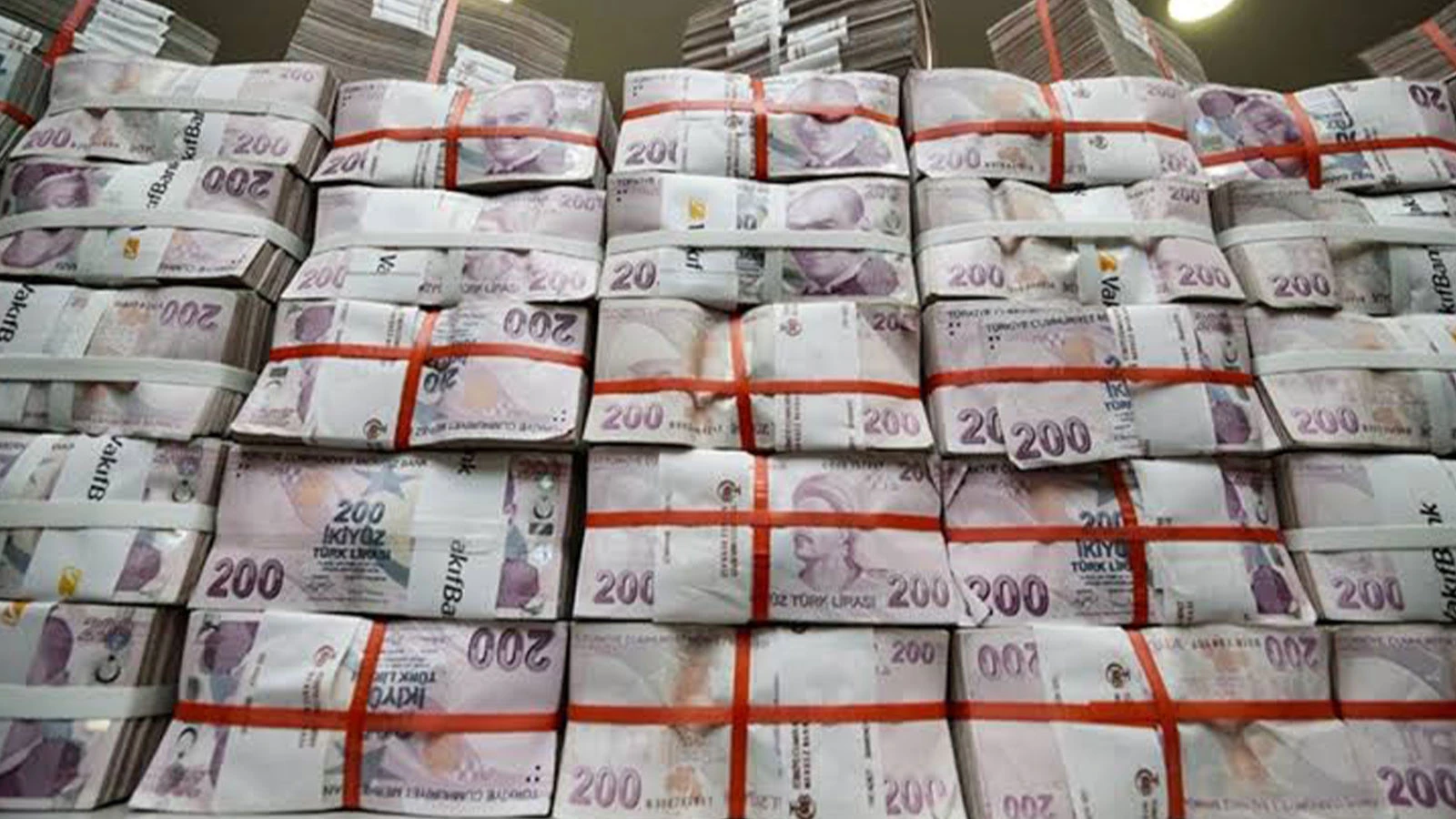
19 BILLION DOLLAR LOSS!
The latest calculations regarding the Central Bank reserves revealed the extent of the decline. According to the analysis of QNB economists, total gross reserves decreased by 6.8 billion dollars in the week of October 23, falling to approximately 162.3 billion dollars. Net reserves excluding swaps decreased by 8.6 billion dollars in the same week, falling to 30.8 billion dollars. Thus, the six-week loss in net reserves excluding swaps, which was at the level of 50 billion dollars on September 11, reached 19.2 billion dollars. According to QNB’s calculations, foreign exchange sales after September 16 totaled 16.1 billion dollars. In a separate calculation by Bahçeşehir University Financial Research Center, the net foreign exchange position excluding swaps and Treasury was determined as 25.68 billion dollars on October 23. While the figures are based on different reserve definitions, the final official data for the week of October 23 is expected to be announced on November 2.
FOREIGN IS ON SALE!
The decline in reserves is accompanied by foreign investors’ sales in the stock market. According to the CBRT’s latest securities statistics, foreigners sold $88.8 million in stocks, $44.4 million in government bonds and $20.7 million in private sector bonds in the week of October 16. Thus, total weekly securities sales reached approximately 154 million dollars. While three-week net sales in stocks reached 527 million dollars, the total inflow of foreign securities calculated since the beginning of the year remained positive.
DOLLAR IS 50 LIRA, GOLD IS 6 THOUSAND 450 LIRA!
Price activity continues in the foreign exchange and gold markets in the last days of October. While the dollar was traded at approximately 50 lira in the free market on the morning of October 30, gram gold was around 6 thousand 450 lira. Demand for physical gold is also among the topics followed in the market. However, there is no definitive country-wide transaction volume showing how much this demand has increased in recent days. Gold prices are affected not only by the exchange rate in Türkiye but also by international ounce gold prices. Intensification of physical demand may change the difference between buying and selling prices in jewelers. For this reason, there may be differences between the prices announced by banks, jewelers and the free market.
IS THE MAIN INVOICE IN THE KITCHEN?
The decrease in reserves does not directly mean an increase in prices. However, if the exchange rate increases, the costs of imported products and foreign inputs used in production may increase. Particularly the fuel, fertilizer, feed, pharmaceutical raw materials, electronic goods and automotive sectors are affected by exchange rate movements. According to the latest data of TÜİK, annual inflation in September was 29.73 percent, food inflation was 27.62 percent, and the annual price increase in the housing, water, electricity, gas and other fuels group was 39.99 percent. A 3 percent increase in the monthly grocery expenditure of 20 thousand liras puts an additional burden of 600 liras on the family budget. This example does not show the expected impact of reserve loss, but rather how possible price increases may be reflected in the budget. The extent to which cost increases arising from exchange rates will be transferred to consumer prices varies depending on the sector.
