
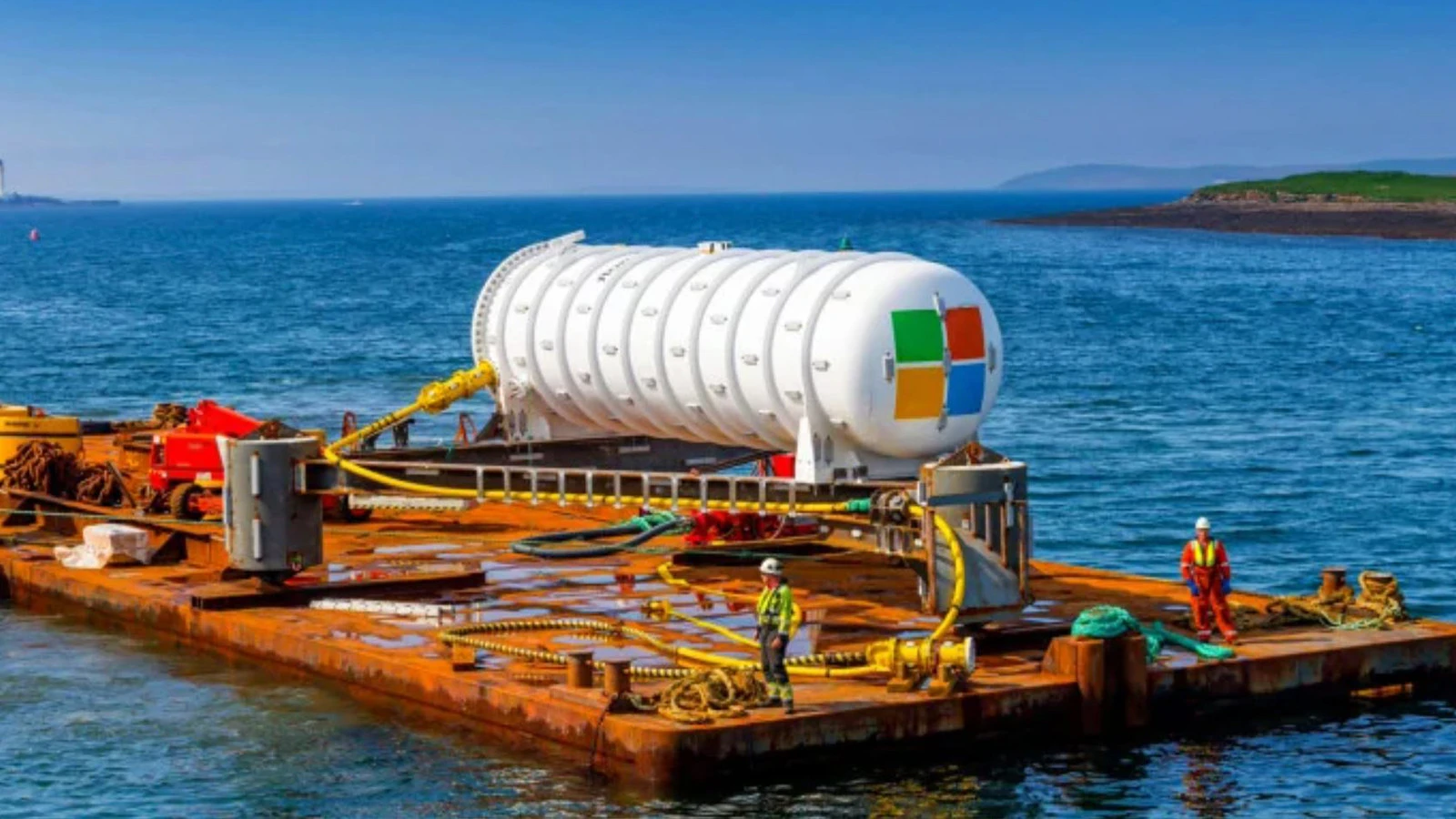
The projects submitted to federal regulatory agencies by the US-based company DeepGreen envisage moving artificial intelligence and data processing infrastructure to the seabed. According to Scientific American magazine dated October 27, 2026, the company wants to establish underwater data centers cooled by seawater and powered by tidal turbines in Alaska’s Cook Inlet region and the Gulf of Maine. The project in Alaska includes 66 computer modules and more than 300 turbines. However, the area in question is the habitat of approximately 300 critically endangered Cook Inlet belugas. The second project in the Gulf of Maine is planned in waters where North Atlantic right whales, whose numbers have fallen below 400, are found.
DATA CENTERS INTO THE HABITAT
The project, which will cover approximately 6.7 square kilometers of sea area in Alaska, consists of computer systems and tidal turbines to be placed on the seabed. scientists, Underwater noise generated by construction activities and turbines may affect whales that communicate, navigate and hunt by sound. is worried. The transfer of heat from servers to sea water can also change the living conditions of creatures dependent on cold water. While the project in Maine has been scaled back to 27 acres and no more than 50 turbines, local communities and environmental organizations oppose the initiatives.
USA ACCELERATES DEEP SEA MINING
US President Donald Trump instructed federal institutions to accelerate deep-sea mining with the presidential decree he signed in April 2025. The White House considers metals such as manganese, nickel, cobalt and copper on the ocean floor as a strategic source of raw materials. Polymetallic nodules, especially those located in the Clarion-Clipperton region in the Pacific, are important in terms of the needs of the technology and defense industry. However, these formations also create habitats for marine creatures. In a study announced in November 2026, a total of 4,139 animals were found in 244 nodules extracted from the depths of the Pacific, revealing the size of the ecosystems that mining can directly destroy.
CAPITAL SPACE FOR TECHNOLOGY COMPANIES
The data center industry, which is growing with the widespread use of artificial intelligence systems, is looking for new areas due to high electricity consumption and cooling costs. DeepGreen’s proposal aims to reduce operating costs by using seawater as a natural cooling source. However This method, which companies see as a cost advantage, creates new risks for marine creatures. Whales, which communicate by voice, are especially sensitive to noise from turbines and construction works. While a temporary ban on data centers has been issued in Eastport, Maine, environmental organizations in Alaska are taking legal action against the project.
LIFE AT THE BOTTOM OF THE OCEAN IS IN DANGER
Deep sea mining aims to directly extract mineral deposits that have formed over millions of years on the ocean floor. Scientists warn that these activities can eliminate the habitats of seabed creatures, create sediment clouds and affect deep-sea ecosystems for a long time. The US government, on the other hand, sees access to critical minerals as a strategic priority in terms of economic growth, competition with China and military needs. Accelerating mining preparations, even in areas where commercial production permits have not yet been granted, also expands the discussions on international maritime law and environmental control. Many international institutions and organizations have issued scientific warnings against turning the oceans into a new raw material and technology investment area.
