
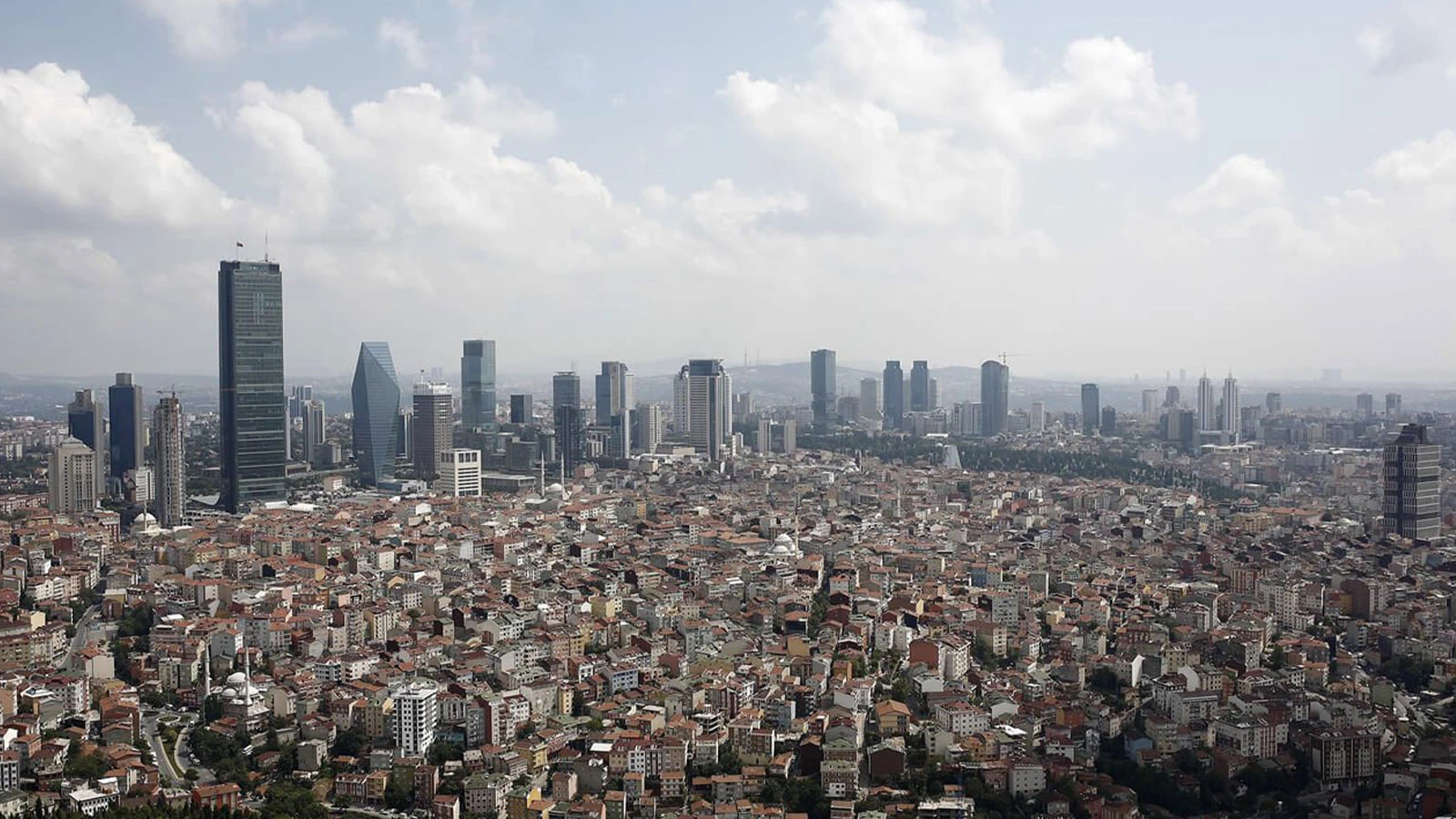
More frequent, longer and more severe heat waves due to the effect of climate change are turning into a growing public health risk for Istanbul. The new research prepared by scientists from Marmara University, Istanbul Technical University and Istanbul University-Cerrahpaşa revealed how the risk of death due to high temperatures in the summer months in the city may change in the coming years. In the study, it was calculated that approximately 4 thousand deaths in Istanbul during the summer months of 2013-2017 could be related to extreme temperatures. According to the research, in the negative scenario where global emissions continue to increase, heat-related deaths are expected to exceed 25 thousand in the middle of the century and reach approximately 40 thousand in the 2093-2097 period. The research shows that the number of heat-related deaths depends not only on the speed of climate change, but also on Istanbul’s population growth, aging population structure, dense urbanization and the level of preparedness of the health system for heat waves.
TWO SEPARATE SCENARIOS WERE EXAMINED
In the study, two different scenarios regarding the future of Istanbul were discussed. The first scenario was based on the low emissions option, where the global temperature increase is limited to the 1.5 degree target set in the Paris Climate Agreement. In the second scenario, a situation in which fossil fuel use continues at high levels and greenhouse gas emissions cannot be reduced is envisaged. In both scenarios, it was determined that summer temperatures and the number of heat-related deaths in Istanbul will increase until mid-century. However, in the second half of the century, the difference between the two scenarios widened significantly.
DEATHS WILL INCREASE
In the low emissions scenario, where the global temperature increase is limited to 1.5 degrees, an increase in the number of deaths is expected by mid-century. In this scenario, the number of heat-related deaths is predicted to reach 15 thousand 732 in the 2053-2057 period. However, it is stated that if emissions are reduced, the number of heat-related deaths will begin to decline in the second half of the century. According to the research, this number may decrease to 9 thousand 482 in the 2093-2097 period.
TEMPERATURE WILL BE 34 DEGREES
Predictions regarding the temperature change in Istanbul were also included in the research. It was stated that the average of the highest daily temperatures measured in the summer months in the city between 1980 and 2014 was approximately 32 degrees. In both scenarios, this average is expected to rise to approximately 34 degrees by mid-century. In the low emissions scenario, it is estimated that the temperature increase by the end of the century will be limited to an average of 1.2 degrees. If emissions remain high, it is estimated that the temperature increase may reach 6.6 degrees. In this case, it is stated that the average of the highest daily temperatures in the summer months in Istanbul may rise to 39.1 degrees.
POPULATION WILL EXCEED 21 MILLION
Estimates of the future population of Istanbul were also taken into account in the calculations in the research. It was assumed that the urban population, which was approximately 14.6 million in the 2013-2017 period, would approach 20 million in the 2053-2057 period. At the end of the century, the population of Istanbul was estimated to reach approximately 21.5 million. It was stated that the increase in the elderly population along with the growth of the urban population may increase the heat-related health risk. It is stated that another factor that increases the heat risk in Istanbul is dense urbanization. The research points out that opening rural and green areas to construction may further increase the heat pressure in Istanbul.
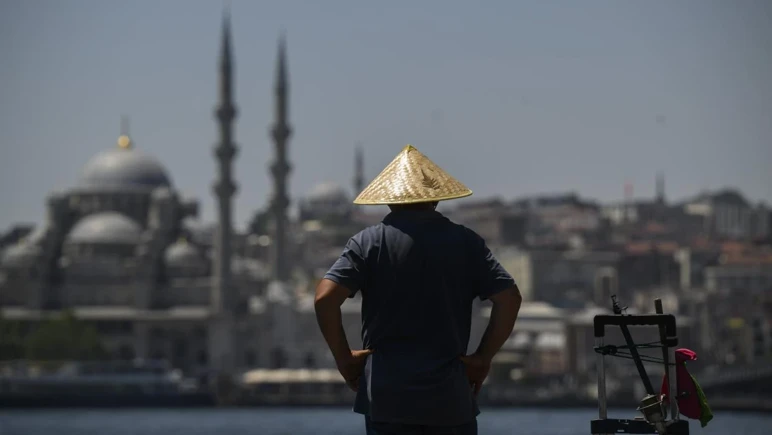
GREEN CORRIDORS SHOULD BE CREATED
ITU Meteorological Engineering PhD climate researcher and Climate Desk writer Dr. In the study written by Merve Yılmaz, measures that can be taken throughout the city to reduce the effects of heat waves on health are also listed. Creating green corridors, increasing shade-providing public spaces, improving the insulation and ventilation conditions of buildings, and expanding heat-reflecting surfaces are conveyed as suggestions. The development of early warning systems against extreme temperatures, the preparation of health institutions for heat waves and the creation of cooling areas at the neighborhood level are also emphasized.
(email protected)
