
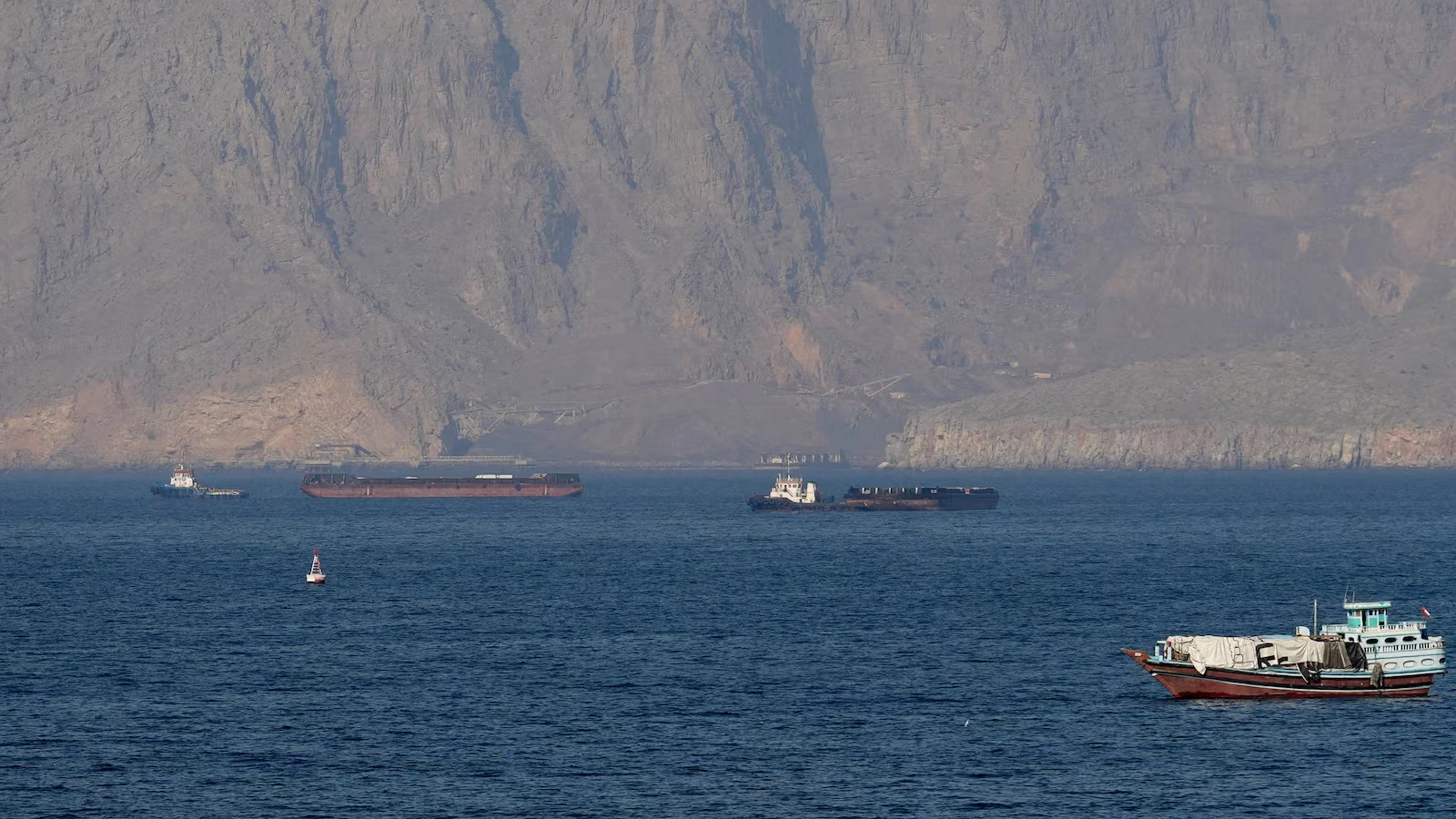
The de facto closure of the Strait of Hormuz is rapidly increasing the pressure on energy, trade and financial channels in the global economy.
In this context, governments have prepared new economic packages that include allowing working from home and restricting vehicle use in order to reduce energy consumption.
The International Energy Agency (IEA) warned that the increasing tension in the Middle East was causing the largest disruption in global oil supply in history, and called for a radical action plan that would rapidly reduce oil consumption.
Stating that the military conflicts in the Middle East triggered an unprecedented global energy crisis, the IEA recommended switching to a remote working model and reducing the speed limits on highways by at least 10 kilometers in order to reduce fuel consumption.
Vietnam’s Ministry of Industry and Trade called on citizens to work from home and use public transportation, and for workplaces to switch to remote working, due to the pressure on fuel supply caused by the tension in the Middle East.
Nepal announced that it has increased the weekly holiday in government offices and educational institutions to two days, including Saturdays and Sundays.
South Korea announced that it will ask the companies in the top 50 in terms of oil consumption to prepare energy saving plans and that incentives will be offered to companies that reach the given targets.
The South Korean Parliament approved a supplementary budget bill worth 26.2 trillion won ($17.7 billion) to alleviate the economic effects of tension in the Middle East.
In order to save money, Thailand has instructed employees in government institutions to work from home. Thai Prime Minister Anutin Charnvirakul called for the private sector to also adopt the work-from-home arrangement.
Malaysia announced that employees in government institutions will switch to remote working in order to save money following the global energy crisis caused by tension in the Middle East.
“THIS SITUATION WILL BE SHAPED BY CONSUMERS MORE THAN GOVERNMENTS”
Wladislaw Rivkin, Professor of Organizational Behavior from Trinity College Dublin, one of the Irish universities, made evaluations on the subject.
Rivkin said, “I think there is a similarity, albeit limited, between the measures taken against the energy crisis, such as restrictions imposed by some countries on working hours, allowing remote working and free public transportation, and those implemented during the epidemic period.” he said.
However, Rivkin pointed out that the current measures are related to fuel consumption rather than limiting interpersonal contact as in the Covid-19 epidemic, and pointed out that the measures taken so far are on a much smaller scale and are limited to certain regions of the world.
Rivkin emphasized that thanks to remote working applications, people’s frequency of commuting to work decreases, thus reducing energy consumption and saving fuel.
Stating that these measures are more effective when people commute to work by car, Rivkin underlined that the effect is less when cycling, walking or using public transportation.
Stating that it is too early to say whether the energy crisis will lead to new measures being taken, Rivkin said, “If the crisis leads to long-term increases in fuel costs, this may affect the frequency of people’s commute to work and the transportation methods they use.” he stated.
Dr. Rivkin noted that this situation could initiate the 4-day working practice.
Rivkin said, “I do not think that large-scale curfews and travel restrictions will be implemented as in the Covid-19 epidemic. Since this situation is an economic crisis rather than a public health crisis, it will be shaped by consumers rather than governments.” he said.
