
A JOURNEY OF 26 BILLION KILOMETERS
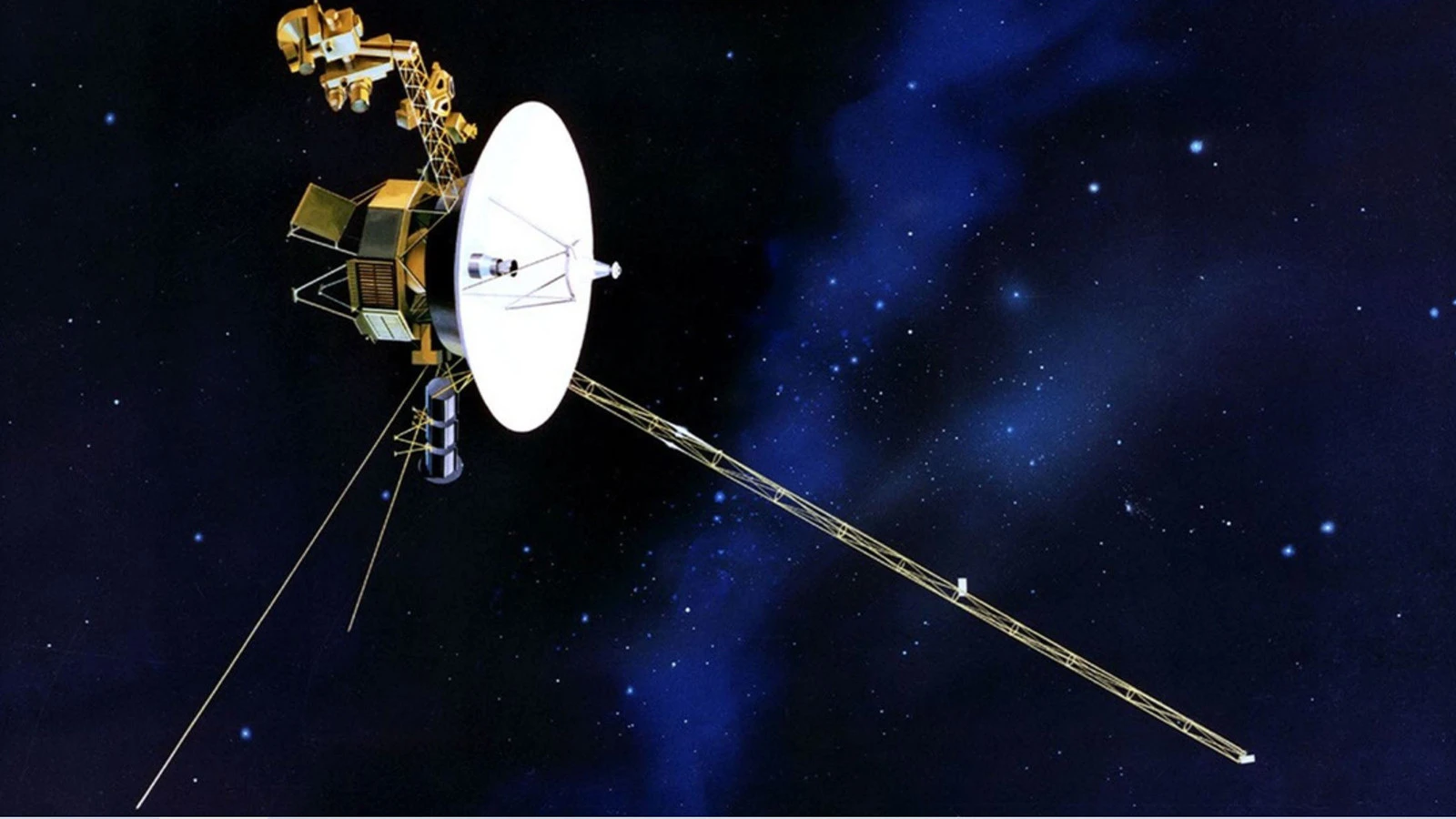
Voyager 1, launched on September 5, 1977, reached a distance of one light-day from Earth in November 2026. The signals sent by the vehicle, which moves at a speed of approximately 17 kilometers per second, reach the Earth in 24 hours. It takes at least 48 hours for NASA to receive a response to a command it sends to the vehicle. With 49 years of space travel, Voyager 1 maintains its title as the furthest vehicle humanity has sent.
DISCOVERIES ON JUPITER AND SATURN
Voyager 1 discovered Jupiter’s thin ring and two new moons in 1979. Voyager missions imaged active volcanoes on Jupiter’s moon Io for the first time outside Earth. The vehicle, which reached Saturn in 1980, examined the planet’s rings in detail and identified new satellites. It collected important data about the dense atmosphere of Saturn’s largest moon, Titan.
THE WORLD IS NOW A SMALL DOT
On February 14, 1990, he took the famous “Pale Blue Dot” photo of the Earth from a distance of approximately 6 billion kilometers. In the image, our planet was a tiny point of light. In August 2012, it became the first vehicle to cross the border of the heliosphere formed by the Sun and enter interstellar space. However, it has not yet reached the Oort Cloud, which forms the much more distant borders of the Solar System.
IT WILL PROGRESS FOR MILLIONS MORE YEARS
Voyager 1, which produces electricity from radioactive plutonium, loses approximately 4 watts of energy every year. NASA is sequentially shutting down its scientific instruments to preserve remaining energy. It is stated that communication with the vehicle may end around 2029. Despite this, Voyager 1 will continue on its way. It is expected to pass within 1.6 light-years of the star Gliese 445 in about 40 thousand years.
