
Vilcinskas stated that EU Enlargement Commissioner Marta Kos discussed this offer with Foreign Minister Hakan Fidan, whom she met in Ankara in February.
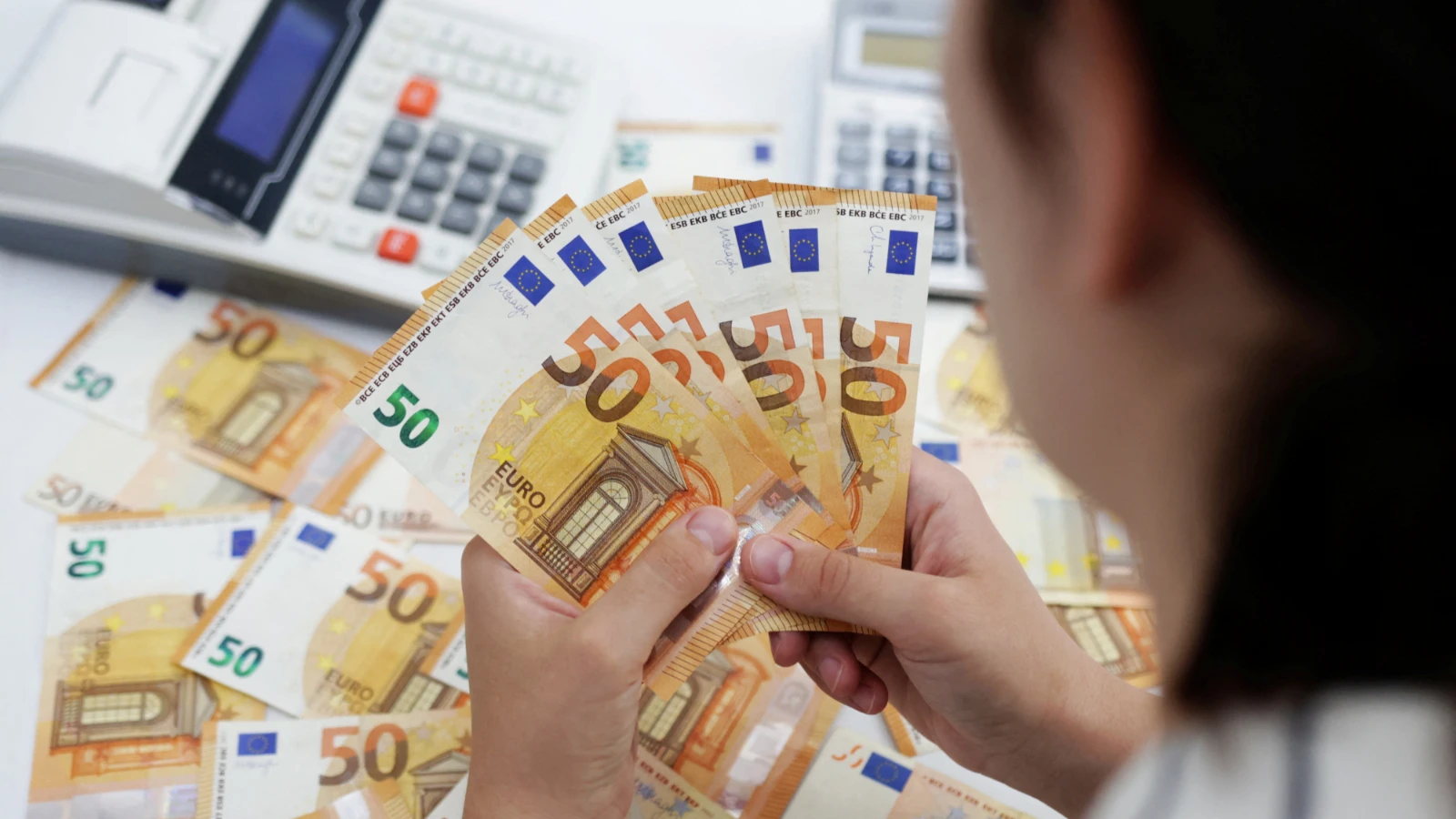
According to the EU, the Single European Payments Area (SEPA), which covers 41 countries, makes cross-border euro payments as cheap, fast and secure as domestic transactions. It is estimated that smaller candidate countries such as Albania, Moldova, Montenegro and North Macedonia, which joined the system last year, will save approximately 500 million euros.
Vilcinskas said, “SEPA can offer a valuable opportunity to strengthen the economic integration of Türkiye, a candidate country and an important trading partner of the EU. By making cross-border euro transfers as fast and cheap as domestic transactions, it can offer serious savings on an annual basis for Turkish businesses, consumers and diaspora.”
Türkiye’s approach to the issue has not yet become clear. A Turkish diplomatic source, who confirmed that the offer was conveyed to Türkiye during Kos’s visit on February 6, stated that the SEPA issue was under the authority and coordination of the Ministry of Treasury and Finance, and that the ministry did not express an opinion on the issue.
STEPS TO STRENGTHEN ECONOMIC TIES
In case of switching to the SEPA system, Turkish banks may lose some of their income from transfer fees. In the current system, according to Western Union data, the cost of a transfer between 1,000 and 5,000 euros between Türkiye and Europe can reach 40 euros.
With an annual trade volume exceeding 200 billion euros, Europe is Türkiye’s largest commercial partner. Since membership negotiations have effectively stalled for years, both sides want to modernize the Customs Union and revitalize economic ties.
Vilcinskas added that in order for Türkiye to be included in SEPA, it must comply with the EU’s Payment Services Directive, strengthen its anti-money laundering and data protection rules, and that the European Commission is ready to support Türkiye in this process.
The Turkish banking source stated that SEPA could provide serious savings, especially for the large Turkish diaspora in Europe.
European Bank for Reconstruction and Development (EBRD) President Odile Renaud-Basso also stated in an interview this month that SEPA would make transactions “basically free”.
