
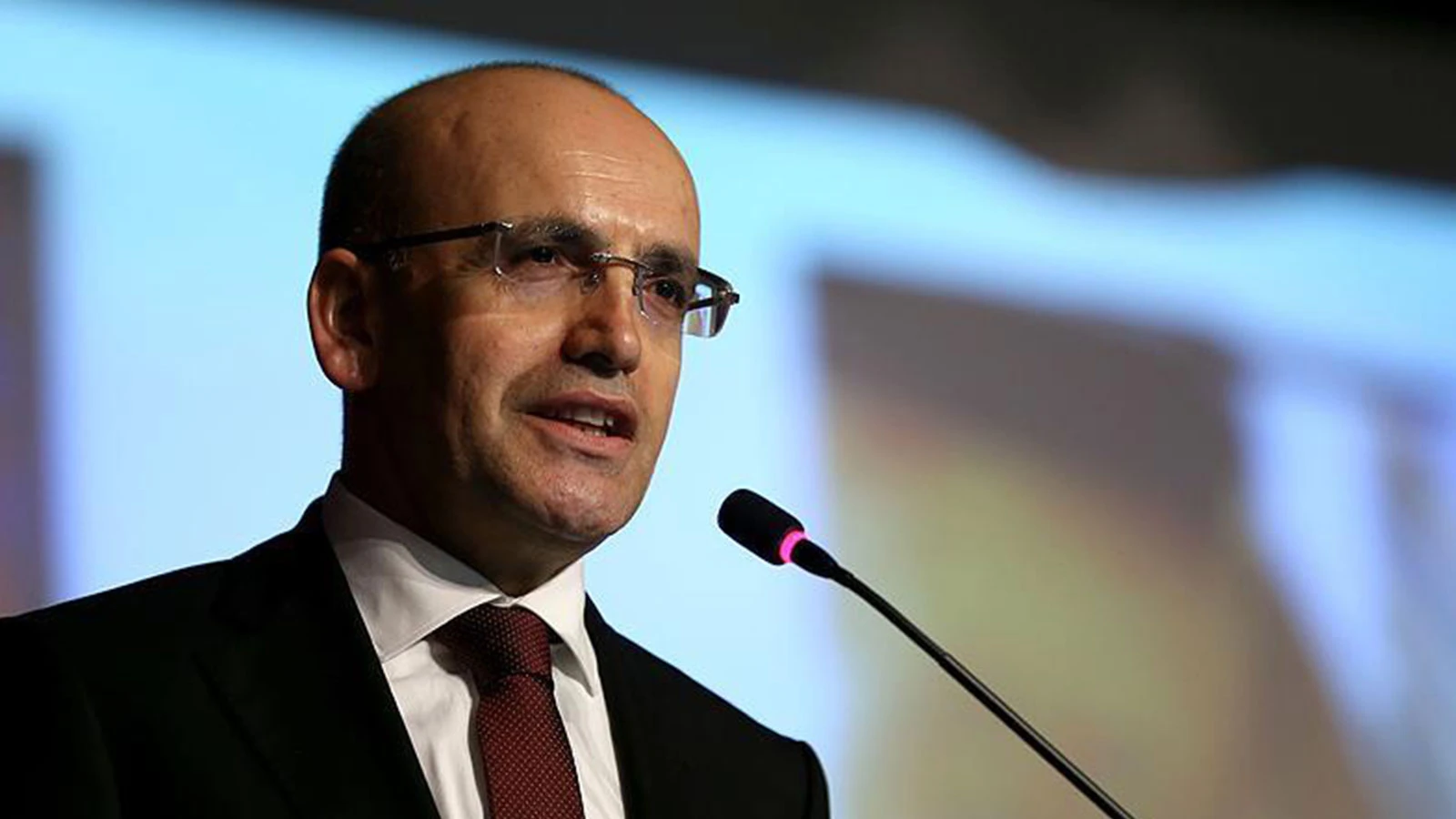
In his assessment of the economic growth of 2025, Minister of Treasury and Finance Mehmet Şimşek said, “We foresee that we will be included in the group of high-income countries in 2025, which is a critical threshold for our goal of permanent welfare increase.” He said:
Minister Şimşek’s evaluations are as follows;
“According to the GDP data announced by TURKSTAT today, our economy grew by 3.4 percent annually and 0.4 percent quarterly in the last quarter of 2025. The overall growth in 2025 was 3.6 percent. National income increased to 1.6 trillion dollars and per capita income increased to 18,040 dollars. We foresee that we will be included in the group of high-income countries in 2025, which is a critical threshold for our goal of permanent welfare increase.
While the effects of frost and drought in agriculture continued in the last quarter of the year, production continued to increase in other sectors. In 2025, industrial value added recorded the highest increase in the last four years with 2.9 percent. Value added growth in the construction sector maintained its strong course, thanks to the acceleration of housing delivery in the earthquake zone.
The balanced outlook between consumption and investment continued. Investments increased by 7 percent throughout the year. The 5 percent increase in machinery and equipment investments strengthens our production capacity.
Net foreign demand made a negative contribution to growth in 2025, when uncertainties and protectionism in global trade increased. However, the ratio of current account deficit to GDP remained at sustainable levels at 1.6 percent.
It strengthens spending discipline by increasing savings and efficiency in the public sector; We continue to fight against informality based on justice and efficiency in taxes. In 2025, while the budget deficit to national income ratio was below the MTP estimate of 2.9 percent, we had a primary surplus. Thanks to our disciplined stance in fiscal policy, the primary surplus excluding earthquake expenses was 1.2 percent.
Assuming that the risks arising from geopolitical developments will be temporary and uncertainties in global trade will decrease, we expect the increase in demand in our trading partners and the improvement in financial conditions to contribute to growth in 2026.
We will support our policies with structural and supply-side steps to make our gains permanent. “We will continue to implement our program with determination for price stability that will ensure sustainable high growth and more equitable income distribution.”
