
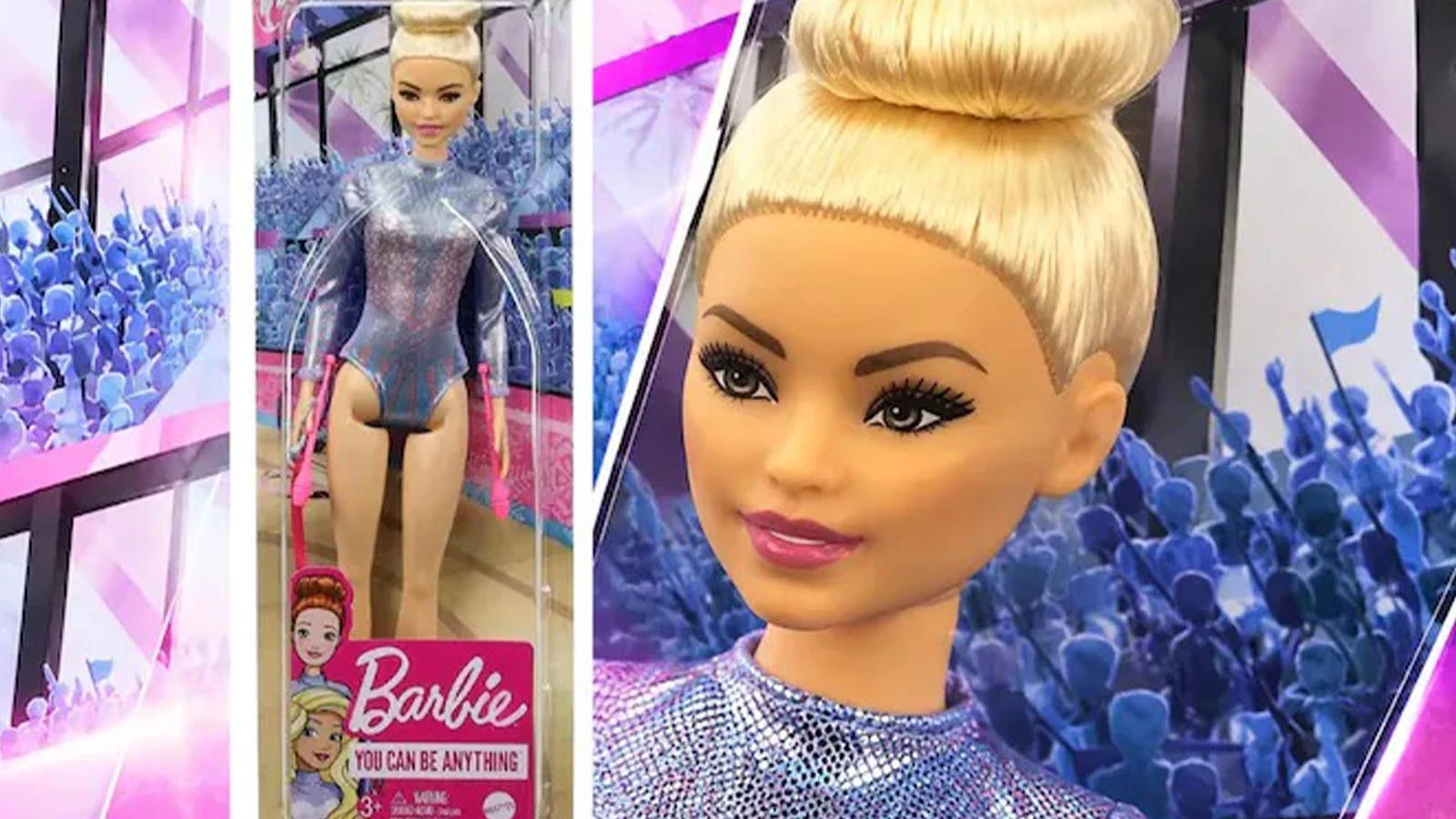
Ana Elizabeth, a content producer living in the USA, shared the details of the packaging of the gymnastics-themed Barbie doll she saw in the store of the pharmacy and retail chain CVS on social media. The doll in Mattel’s “You Can Do Anything” collection wears a gymnastics outfit and has ribbons and gymnastic sticks next to her. The point that Elizabeth drew attention to was the blue audience figures in the background of the box. Claiming that the sight of some figures stretching their arms forward resembles a Nazi salute, Elizabeth zoomed in on the image and shared it with her followers.
SIMILAR TO MARCH ANTHEM
In the video, the 1931 German song “”, which was also used as a marching anthem during the Nazi Germany period,Weit ist der Weg zurück ins HeimatlandIncluding “” made the historical reference of the post even more clear. In her post, Elizabeth also made a play on words reminiscent of the Nazi period, stating that Barbie should win the Olympics.
A SECTION WANTED A BOYCOTT
The video quickly created controversy. Some users argued that it was unacceptable to have an image resembling a Nazi salute on the packaging of a product aimed at children. Those who questioned Mattel’s design and inspection processes stated that a company that produces on a global scale should notice such details. Some users announced that they would boycott the company. However, comments regarding the image were not unanimous. Those who disagreed with the criticism said that the figures might have been drawn as spectators applauding the gymnast at a sporting event. The fact that some figures appeared to raise both arms was also cited as a detail supporting this view.
SPAM DISCUSSION IS NOT THE FIRST
Mattel had previously come to the fore with a serious error regarding product packaging. In 2024, the boxes of dolls prepared for the movie “Wicked” had an incorrect address printed on them that led to an adult site instead of the movie’s official website.. In that incident, Mattel apologized for the error and announced that it would take corrective steps. The latest debate has revived the question of how major brands consider historical and cultural connotations in their product designs.
