
Asylum policy
EU Commissioner: Use “migration diplomacy” and visa leverage
Updated 01/31/2026 – 04:30 amReading time: 3 minutes

Against the labor shortage and irregular migration: EU Migration Commissioner Brunner expects a lot from his approach – in the long term, Germany will also move away from border controls.
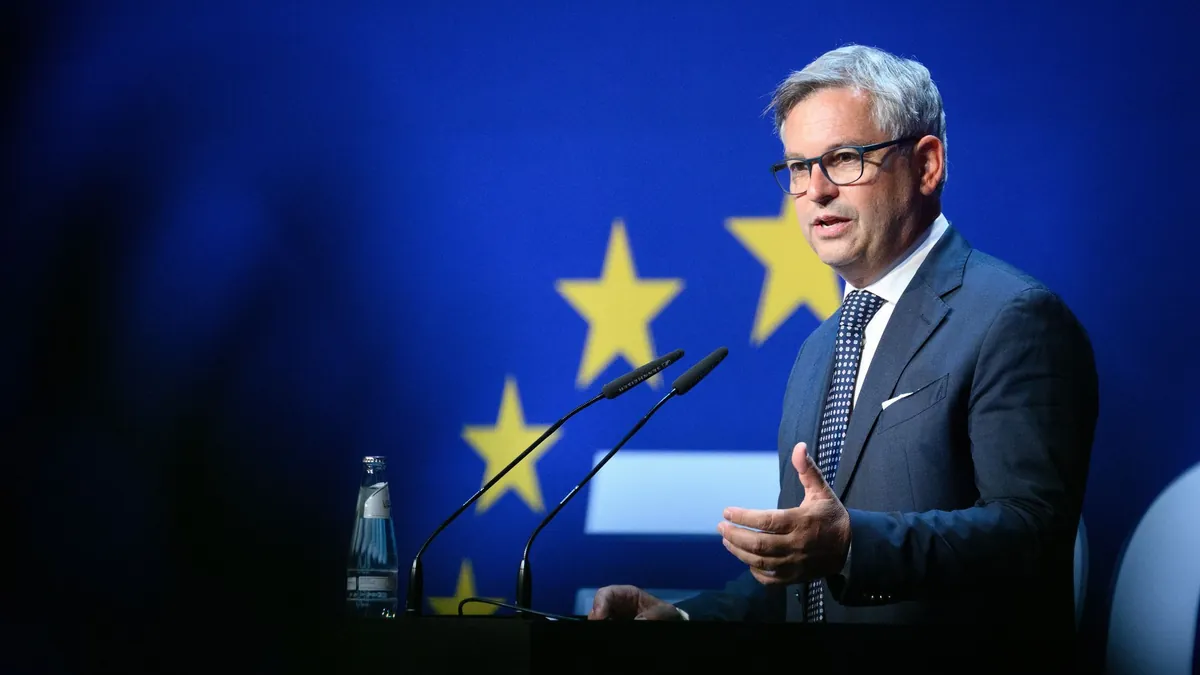
EU Commissioner Magnus Brunner wants to rely more on the carrot and stick principle when working with third countries on migration issues. “The EU has levers such as visa policy, trade and development cooperation, which we must use as strategic instruments in the interests of Europe,” said Brunner in an interview with the German Press Agency.
He referred to conflicts with states that had not done enough to combat irregular migration in the past. “We then imposed visa sanctions against a country and suddenly it worked.” The Austrian commissioner speaks of “migration diplomacy”. Many countries want visa relief with the EU because they hope this will bring concrete benefits for their economy.
Visa policy should not only reduce irregular migration, it should also offer opportunities for hands-on hands and bright minds. “We have to become more flexible, faster and more digital, for example for skilled workers and scientists,” said Brunner. The Brussels authority’s migration strategy presented this week says labor shortages will worsen in many key sectors over the next five years.
For Brunner, however, the order of priorities is clear: “If we give our citizens the feeling again that we have illegal migration under control, then we can also talk better about legal migration.” The European Union has had no control over the last ten years and rules have been outdated. “We must be able to decide for ourselves who comes to Europe and not the human traffickers,” he emphasized.
In order to further ease the migration situation in the EU, Brunner wants to prevent asylum seekers from the often fatal escape routes across the Mediterranean and to expand cooperation with third countries. For example, special centers are being planned along refugee routes – called “multi-purpose centers” in a strategy paper presented this week.
According to the Commission, such centers could facilitate evacuations, take care of the accommodation of people in need or even support migrants in voluntarily returning to their homeland. “The aim is to create opportunities in third countries along the entire route so that people do not make the dangerous journey,” said Brunner. “Multipurpose means preventing illegal migration and supporting legal migration.”
The EU is repeatedly criticized for its financial support to curb unwanted migration from North African countries such as Egypt. According to the United Nations, the country is currently hosting around a million refugees from crisis countries, some of whom are trying to reach the EU via the Mediterranean. The Libyan coast guard also receives EU funding and is at the same time accused by sea rescuers of using violence against those seeking protection.
