
Natural hazard certificate for every house
Proposal: New obligations for homeowners
July 14, 2026 – 7:04 a.mReading time: 3 minutes

The Association of Insured People wants to better protect homeowners from natural hazards and is advocating for a new system. This could be financed through higher property taxes.
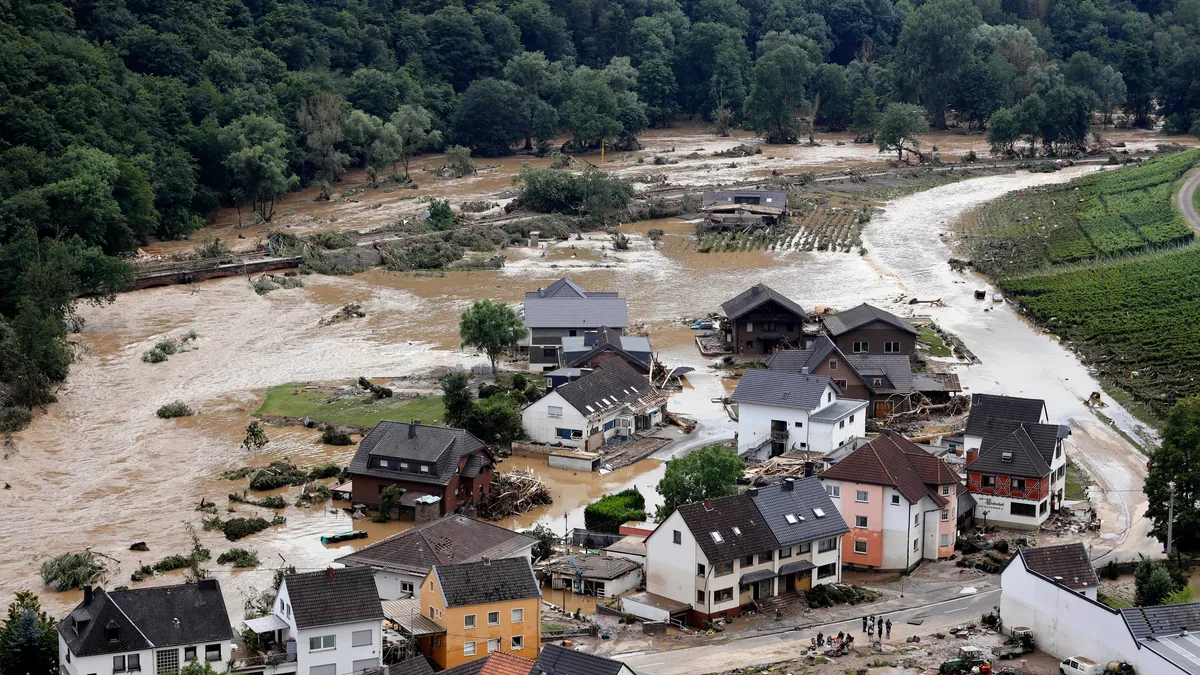
This Tuesday marks the fifth anniversary of the devastating flood disaster in the Ahr Valley. A total of 180 people lost their lives due to the floodwaters in July 2021, 135 of them in the Ahr. Damage totaling 14 billion euros was caused to private buildings alone.
There is still a debate in Germany about who will pay for the damage caused in such cases in the future. Since only 57 percent of homeowners currently have appropriate elementary insurance that covers flood damage, the company plans to do so Federal Government the introduction of compulsory insurance. However, their exact design remains unclear.
BdV proposes new system
The Association of Insured Persons (BdV) has now outlined what future insurance could look like in a revised position paper. The consumer advocates are in favor of a two-tier system in which the risks are distributed between insurance companies and the state.
The second pillar provides for a collective compulsory system for disaster preparedness. It is intended to take effect in the event of major natural disasters. What is meant by this must be determined according to comprehensible criteria, suggests the BdV.
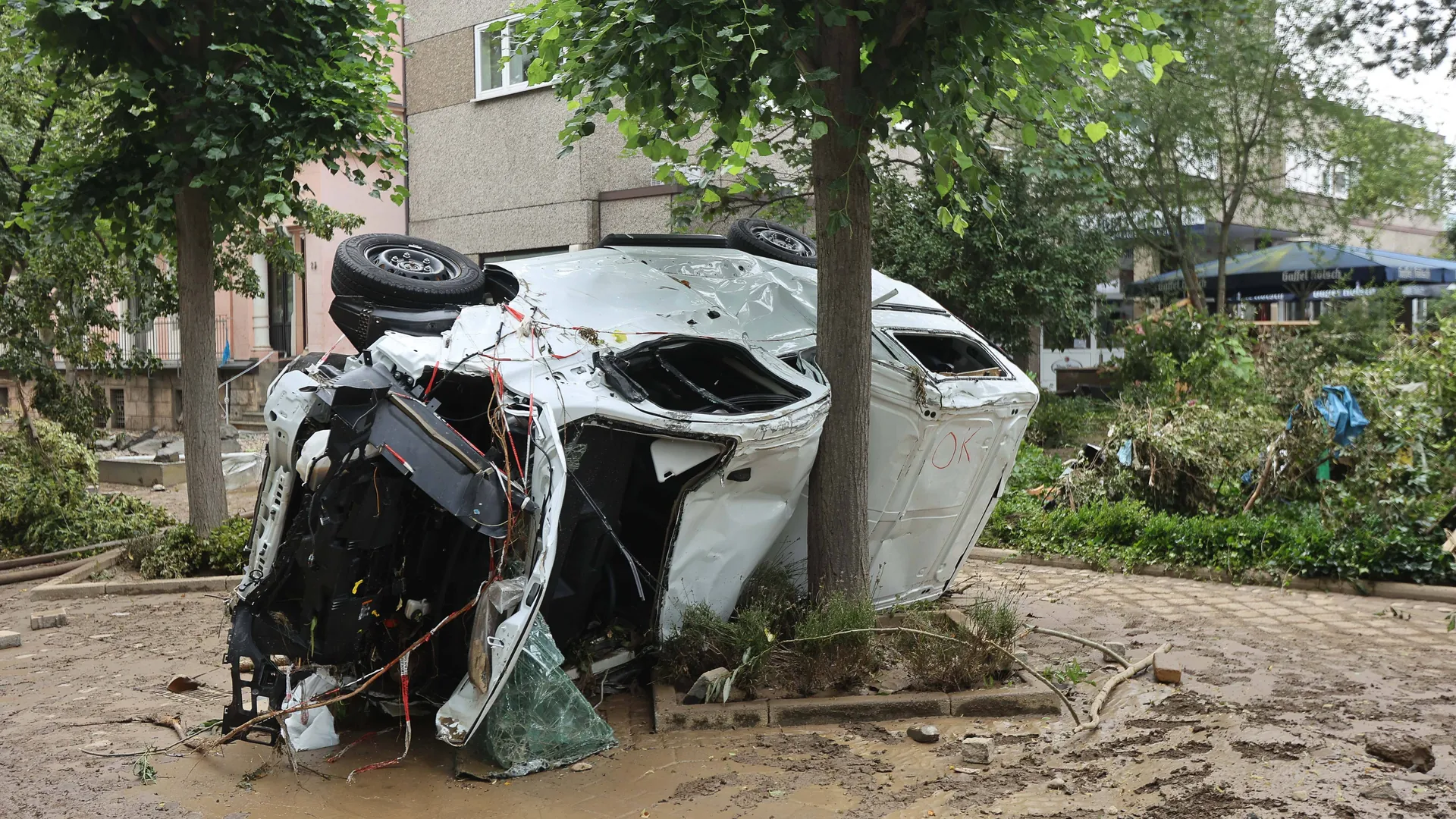
In the event of a disaster, affected homeowners receive reconstruction assistance from this second system. The BdV suggests that these could be financed, for example, from parts of the insurance tax. Already today, 2.66 percent of the currently levied taxes of 19 percent are paid to the federal states as fire protection taxes earmarked for fire protection. According to the BdV, a further share could flow to the proposed disaster prevention system in the future.
Higher property taxes for homeowners
Alternatively, financing would also be possible through an increase in the Property tax possible. According to the BdV, this would have the advantage that a functioning system for paying contributions could be used; different contribution levels could also be controlled in this way. The property tax surcharge varies from homeowner to homeowner: Correspondingly higher surcharges would have to be paid for houses with high building values and in a greater risk situation.
In the future, the individual risk of a house would be recorded via a natural hazard certificate. Similar to an energy certificate, buildings would be inspected by experts. These determine the respective risk of the house, but would also point to specific measures that homeowners could take to reduce the risk rating of their house and thus their property tax surcharge. The BdV is convinced that this would be a strong incentive for prevention.
