
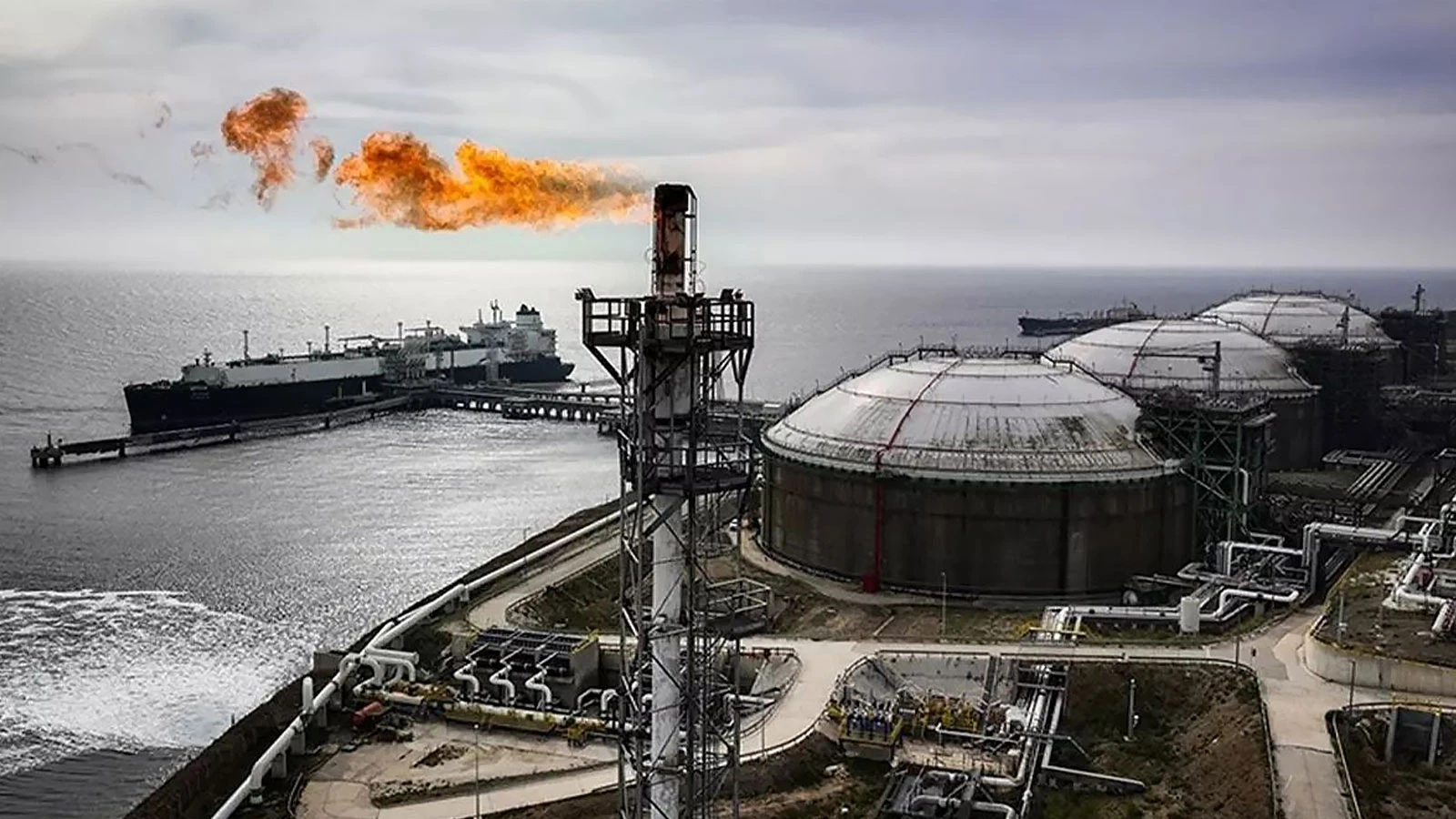
The attack launched by the USA and Israel against Iran created a new rupture in global energy markets. With oil refineries, fuel depots and energy infrastructure being targeted, markets quickly switched to “crisis pricing”. While Brent oil tested the 114-119 dollar band for a short time in the first days of the war, the markets have settled at a high price level fluctuating in the 100-106 dollar range in recent transactions. US crude oil is traded in the range of 101-102 dollars. Brent oil, which was around 72 dollars before the war, rose above 100 dollars in a short time, raising the possibility of a serious supply shock in the global energy market. The real critical breaking point occurs in the Strait of Hormuz, which is considered the heart of global oil trade. The disruption of tanker traffic due to the war between Iran and the USA-Israel increases the panic in the energy markets. According to experts, the disruption in the flow of oil and refined fuel passing through Hormuz is large enough to directly affect approximately one fifth of the global oil trade.
TRANSPORTATION HAS BEEN HIT
The rise in oil markets was not limited to crude oil prices alone. Energy transportation costs have also exploded. Asian LNG carrier freight rates rose 529 percent, while the Dirty Tanker Basis Global Index, which tracks crude oil tankers, rose 201 percent. This shock wave in the energy market is seen as a harbinger of a new wave of inflation that may affect the entire global economy. Economists agree that if oil prices remain above $100 permanently, global growth will slow down, inflation pressure will increase and central banks’ interest policies will be reshaped.
GAS STOCKS ARE RUNNING OUT
The rapid rise in oil prices directly affects not only the oil market but also the natural gas markets. The latest statement by the Russian energy company Gazprom points to the risk of a new energy crisis for Europe. According to Gazprom, the occupancy rate in natural gas storage facilities in Europe has fallen below 30 percent. While it is stated that the occupancy rate in some warehouses in the Netherlands has dropped below 10 percent, it is stated that the gas stored for the winter was consumed in mid-February.
EARTHQUAKE IN LNG MARKET
Corporate Economics Expert Gülsev Duran stated that the interruption in the energy flow will cause a major crisis across Europe and said: “Before the Ukraine war, Russia’s market share on the continent, which was Europe’s largest natural gas supplier, was 40 percent until 2022. However, after the sanctions, this rate decreased rapidly. Russia, which sent approximately 201 billion cubic meters of natural gas to Europe in 2021, will only send 15 billion cubic meters in 2024.” made the shipment. European countries are trying to close this gap with LNG purchased from the USA, Qatar and Norway. However, price increases in the LNG market seriously increase costs for Europe.”
RISKS FOR Türkiye
Pointing out that the fluctuation in the global energy market will also have negative effects on Türkiye, Duran said, “Türkiye is an economy that is largely dependent on foreign energy. Every 10 dollar increase in oil prices increases Türkiye’s current account deficit by approximately 3 billion dollars. The effect of the same increase on inflation is approximately 1 point. “Therefore, an increase in the oil price from 70 dollars to 110 dollars could radically change not only energy costs, but also inflation and current account balance forecasts,” he said.
COSTS INCREASED 3 TIMES
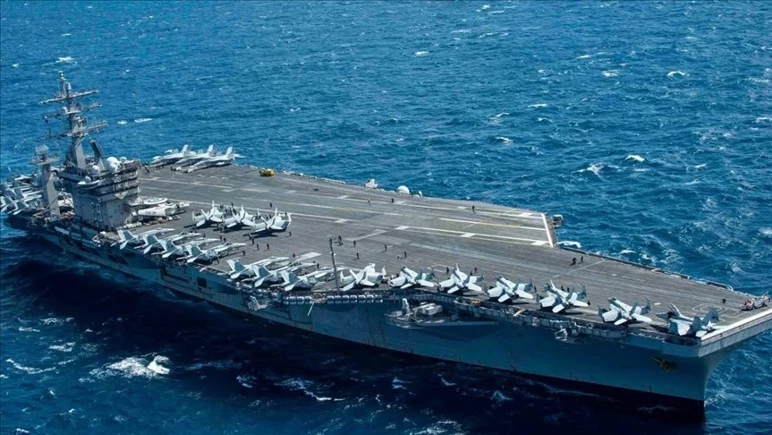
The rise in energy prices deeply affects not only fuel costs but also the transportation and logistics sector. The war also seriously affected the Gulf region, where Türkiye has a foreign trade volume of approximately 50 billion dollars. The region, which includes Iraq, UAE, Saudi Arabia, Iran, Qatar, Kuwait, Oman and Bahrain, has an approximately 11 percent share in Türkiye’s exports. However, the closure of airspaces and the increase in risk premiums in maritime transportation have rapidly increased transportation costs. Freight costs in maritime transportation have increased 3 times on some lines.
“WAIT AND SEE” ON INTEREST
One of the topics that the markets will pay most attention to in the coming days will be the Central Bank’s interest rate decision. The Central Bank Monetary Policy Committee will meet on March 12. In the current global uncertainty environment, economists They agree that the Central Bank will continue its “wait-and-see” policy by not making any changes in interest rates. However, the pressure that energy costs will put on inflation is not ignored.
(email protected)
