
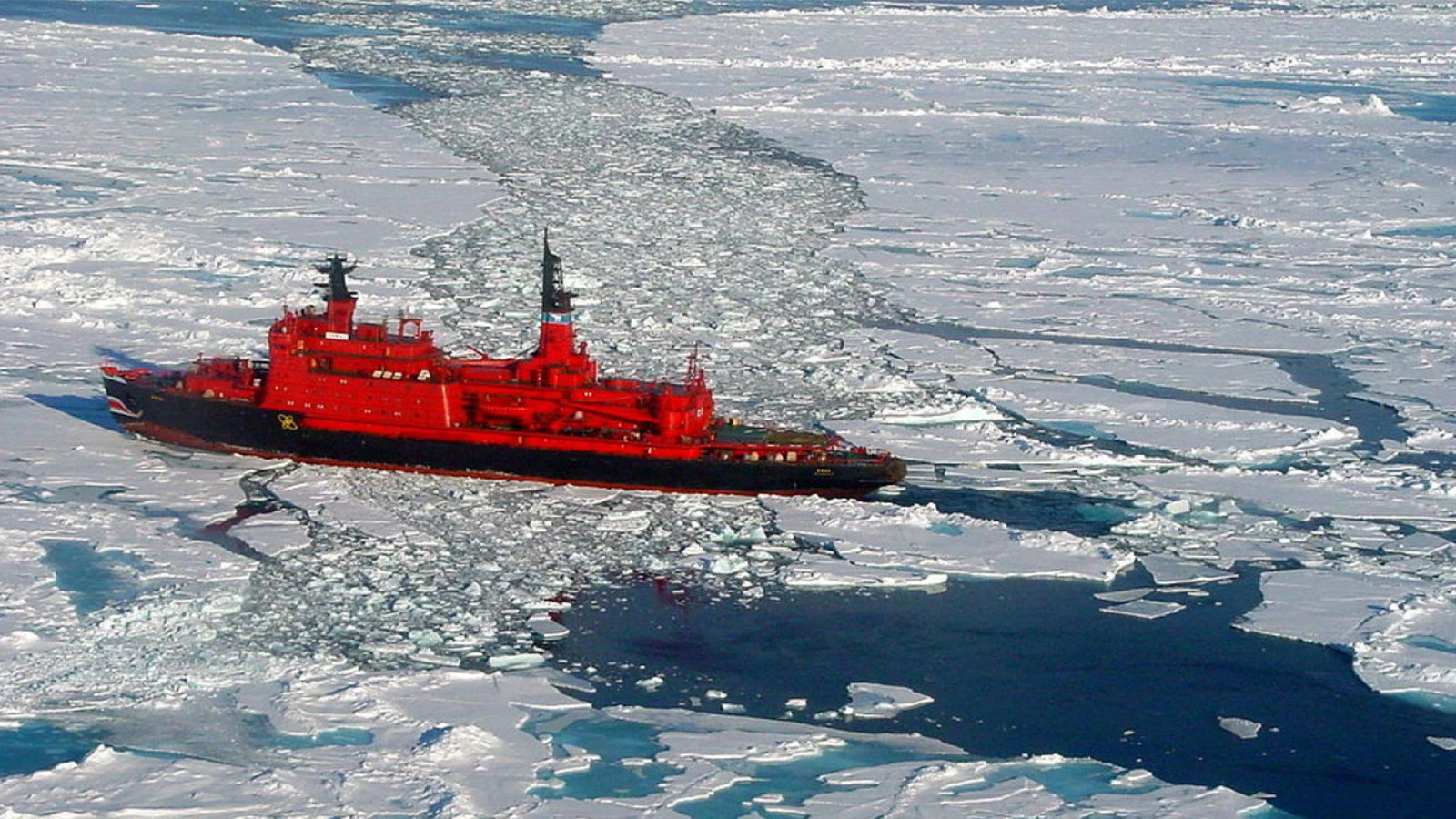
The Arctic region, where the most severe consequences of the climate crisis are experienced, is turning into a new route for Russia’s oil exports. According to the research published by S&P Global on November 2, Russia transported 13.2 million barrels of crude oil to Asian countries via the Northern Sea Route in the 2026 shipping season. This amount is 8 percent above last year’s record of 12.2 million barrels. Moscow, which directs its oil trade to Asia due to European sanctions, takes advantage of the extended transportation season due to melting sea ice. But sanctioned tankers operating in icy waters also increases the danger of major oil spills in one of the world’s most fragile ecosystems. While Russia and China are preparing a joint plan to expand transportation on the route, Moscow aims to start regular services throughout the year in 2027.
ALL 28 TANKERS ARE SANCTIONED
According to S&P Global Maritime Intelligence data, all 28 ships carrying Russian oil through the Northern Sea Route in 2025 and 2026 were on the sanctions list of at least one Western government during their voyages. Seven tankers did not have the ice class certificate required for navigation in icy waters. environmental organization Bellona’s Arctic expert Ksenia Vakhrusheva states that shadow fleet tankers, especially those that are old and not suitable for ice conditions, pose a great risk. Responding to an oil spill that may occur in the region is very difficult due to extreme cold, sea ice and long distances.
GLACIERS MELTED, EXPEDITIONS INCREASED
The Arctic is warming nearly four times faster than the global average. According to the Russian environmental agency Rosgidromet, sea ice cover in the region shrank by 5 percent in September. The Northern Sea Route, which connects Europe and Asia by following the northern coast of Russia, can reduce travel time by up to 40 percent compared to the Suez Canal route under favorable conditions. The route has not yet been legally defined as an illegal maritime route. According to maritime experts This route, which Russia has used for many years, has become a trade line with a lower risk of inspection and detention of sanctioned oil tankers.
DESTRUCTIVE OIL PROJECT IS ACTIVE
One of the developments behind the record was the start of the first shipments from the Vostok Oil project of the Russian oil company Rosneft. The 790 kilometer pipeline connecting oil fields in Siberia to the Arctic coast has been completed. According to the information given to the media by Russian Deputy Prime Minister Aleksandr Novak, the country’s oil exports to Europe have decreased from 175 million tons to 25 million tons in recent years. While Moscow is turning to Asian markets, it is developing the Northern Sea Route as one of the most important links of this trade. Russia’s state nuclear energy company Rosatom expects total freight transport on the route to exceed 40 million tonnes in 2026. According to environmental and climate organizations, all of these projects are destructive for the global ecosystem.
NEW ARCTIC PLAN WITH CHINA
Russia and China agreed on a road map that aims to increase the amount of cargo transported via the Northern Sea Route to 20 million tons by 2030. Moscow also plans to launch regular year-round shipping in 2027, with the support of its new nuclear icebreaker named Chukotka. Carnegie Endowment researcher Mikhail Korostikov states that the economic stability basis of the route has not yet been proven and that the current growth is fed by the Ukraine and Middle East wars and the disruptions in other trade routes. While oil transportation is growing in the Arctic, Russia’s fossil fuel exports continue to fuel global greenhouse gas emissions that cause glaciers to melt, according to environmental organizations.
