
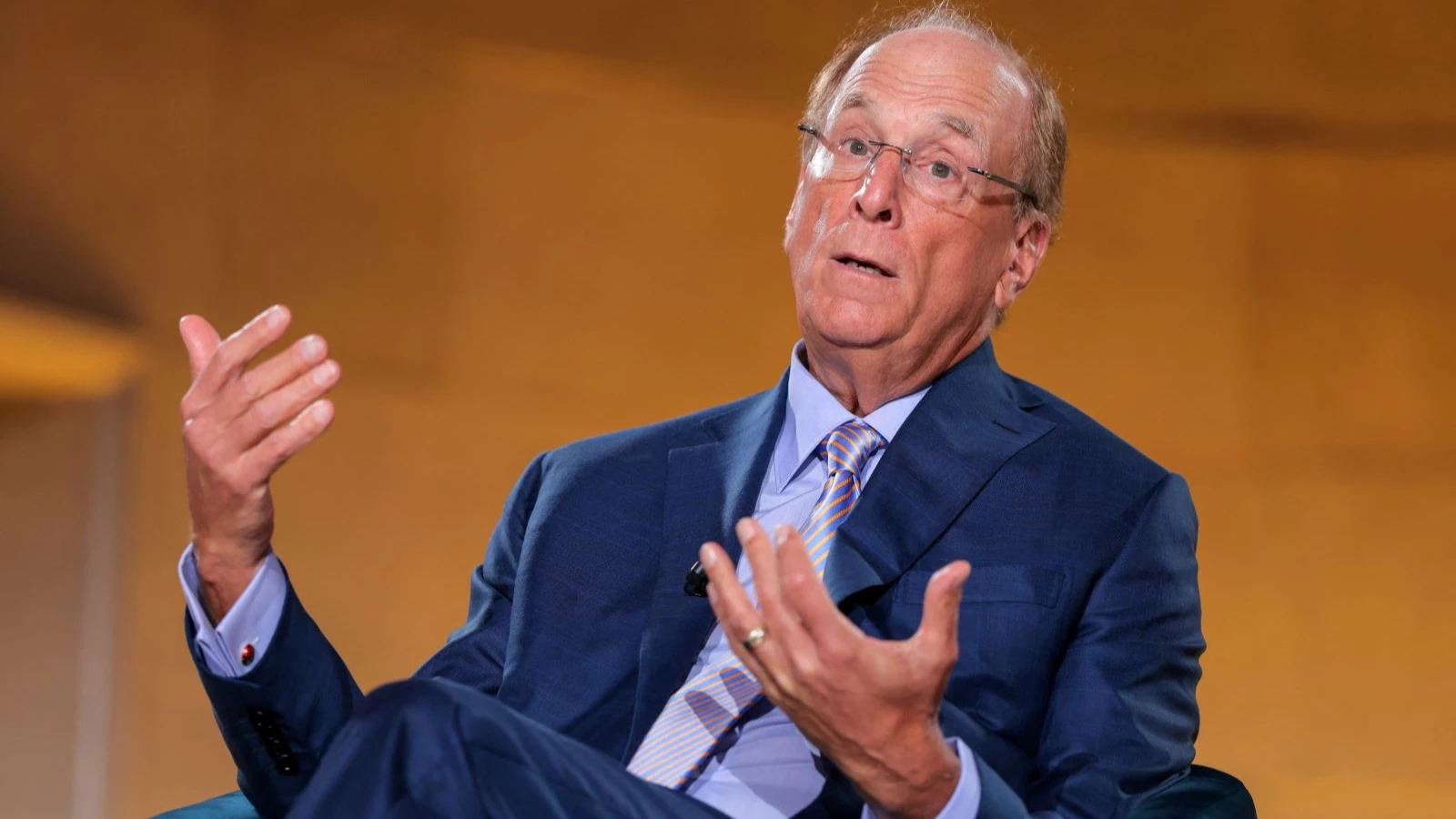
Drawing attention to the increasing concerns on Wall Street, Fink stated that oil prices could remain above $100 per barrel or even rise to $150. Speaking to the BBC, Fink emphasized that if the war in the Middle East is not resolved, the economic damage will reach serious levels.
Energy crisis could spread to the entire economy
According to Fink’s assessment, rising energy costs will not only affect the oil market. Agriculture, fertilizer production and global supply chains will also be directly affected by this increase. This will create a heavier burden, especially on low-income segments.
Some Wall Street analysts interpreted Fink’s statements as an indirect message to the US administration.
“Energy fragility” warning for Europe
BlackRock CEO also highlighted Europe’s energy infrastructure. Stating that the fragmented structure of electrical systems constitutes a significant weakness, Fink stated that the increasing energy demand with artificial intelligence investments will further exacerbate this problem.
For this reason, Fink argued that countries should not depend on only one source and said that all options, including oil, natural gas, renewable energy and nuclear, should be evaluated together.
Critical threshold in oil prices
Although oil prices decreased for a short time after the USA temporarily stopped the attacks against Iran, Brent oil has approached the 100 dollar level again. Tehran’s seeming reluctance to negotiate increases uncertainty.
Analysts state that possible disruptions in the Strait of Hormuz, through which approximately 20 percent of global oil supply passes, could rapidly push prices up. According to the models, if the supply shortage continues for a few months, the oil price may rise to 135 dollars.
Artificial intelligence and inequality warning
In his statements, Fink touched upon not only energy markets but also artificial intelligence. Stating that artificial intelligence will create a major economic transformation, Fink stated that this process also carries the risk of increasing income inequality.
According to Fink, most of the profits from artificial intelligence investments may still go to the wealthy. Therefore, new policies need to be developed so that wider segments can benefit from this transformation.
