
Warning of Putin’s attack
NATO’s top general contradicts the Bundeswehr
From t online, Reuters, afp
Updated June 12, 2026 – 12:52 p.mReading time: 2 minutes

Bundeswehr top military leader Freuding warns of a Russian offensive this decade. Of all people, NATO’s top colleague sees the situation differently.
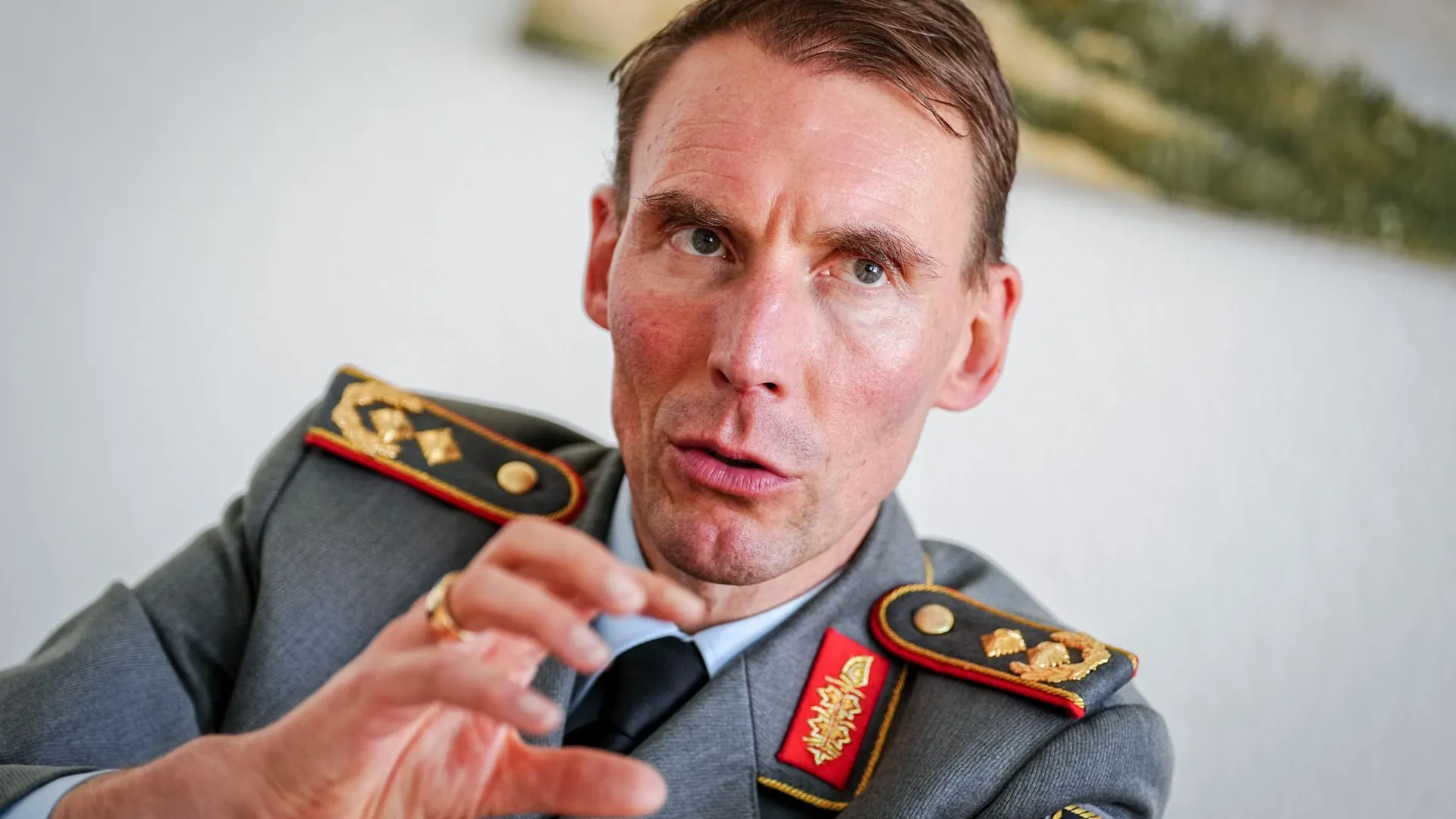
Army Inspector Christian Freuding has warned of Russian President Vladimir Putin’s aggressive intentions. “We have to be prepared. We have to be ready to fight,” Freuding told the news site “Politico” and also gave a specific date: “2029 is not a German timetable. It is an intelligence assessment that NATO has agreed on.”
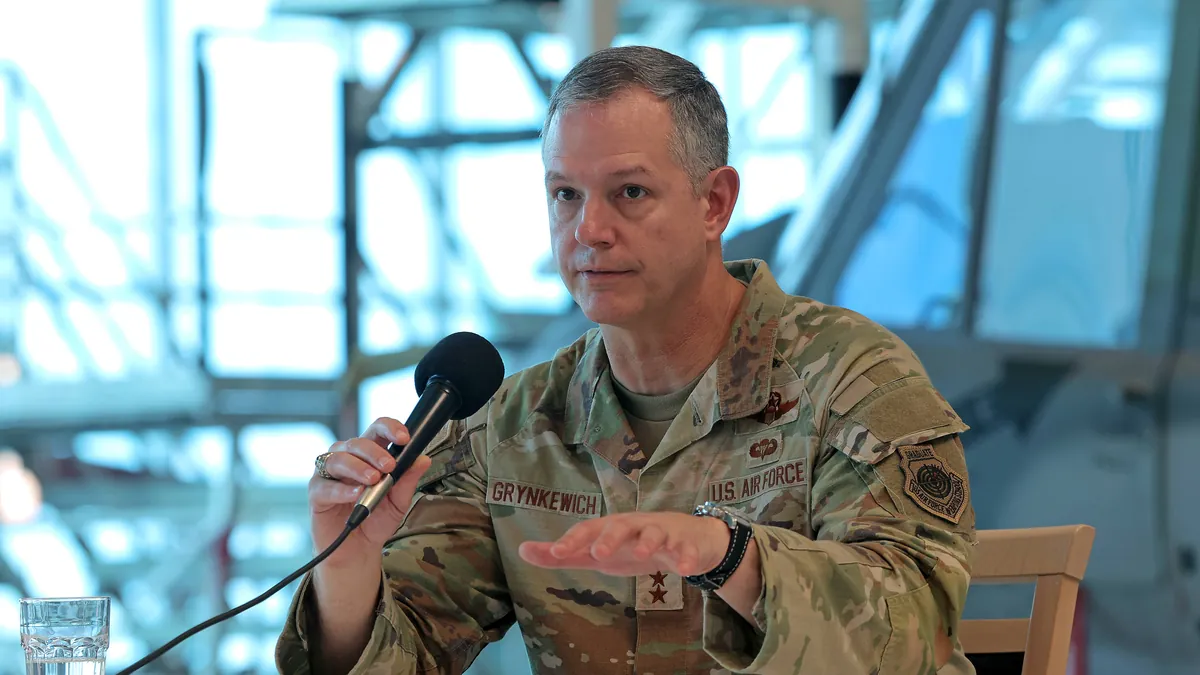
But NATO Commander-in-Chief Alexus G. Grynkewich, of all people, contradicts this. According to the Financial Times newspaper, the US general said at the International Air Show (ILA) in Berlin that Russia was “not looking for a conflict” – despite concerns from European allies about possible security gaps that could arise from Washington’s plans to withdraw important military capabilities.
- Overview: All developments in the Ukraine news blog
- Satellite data: Putin is arming himself in the Far North
His task is to ensure the credibility of NATO deterrence, said Grynkewich in Berlin. “I followed the intelligence information very closely,” the US general continued. His conclusion: “Russia is not looking for conflict (…) They understand the term ‘defense alliance’ and they understand that we have a number of asymmetrical advantages.”
The federal government made 100 billion euros available
After Putin’s invasion of Ukraine in 2022, NATO military officials warned several times of a Russian attack on the alliance’s territory. Most recently, satellite images showed extensions to Russian barracks along the NATO border with Finland and Norway. “Let’s be honest: Russia has broken all the rules. And those it hasn’t broken, it has bent,” warned security expert Samu Paukkunen from the Finnish Institute of International Affairs (FIIA).
NATO responded to Putin’s military aggression during the annexation of Crimea in 2014 and the invasion of eastern Ukraine in 2022, among other things, by setting up rapid reaction forces, known in technical jargon as the Allied Rapid Reaction Force (ARRC). The Bundeswehr has also sent a brigade to NATO’s eastern border in Lithuania.
