
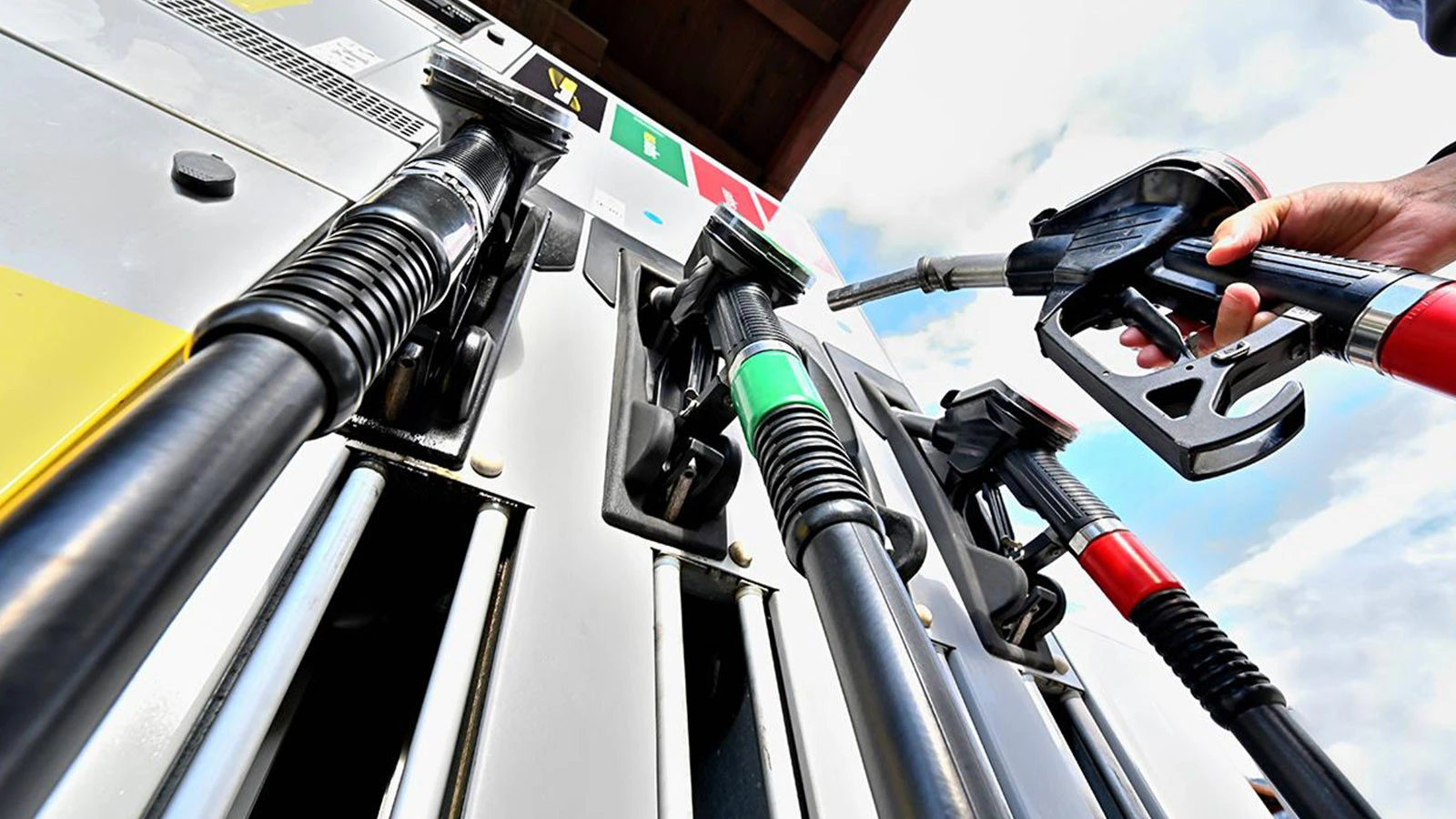
The barrel price of Brent oil reached 116.72 dollars, reaching the highest level in the last six months, further aggravating fuel costs in Türkiye. On the European Side of Istanbul, a liter of gasoline, which was 53.15 lira at the beginning of the year, increased to 76.30 lira, and a liter of diesel, which was 54.46 lira, increased to 96.80 lira. Thus, in the first 10 months of 2026, gasoline prices increased by 43.6 percent and diesel prices increased by 77.7 percent. The increase had a heavy impact on citizens’ pockets. The 50-liter gasoline tank, which was filled with 2 thousand 657 liras at the beginning of the year, has reached 3 thousand 815 liras today, and the diesel tank, which was filled with 2 thousand 723 liras, has reached 4 thousand 840 liras. A driver who consumes 100 liters of fuel per month has to pay 2 thousand 315 liras more for gasoline and 4 thousand 234 liras more for diesel compared to January. Moreover, this calculation does not include vehicle maintenance, insurance, highway and other transportation expenses.
PURCHASING POWER IS MELT
The rise in fuel prices further squeezes the budgets of wage earners, who are already struggling against inflation. The net minimum wage for 2026 was determined as 28 thousand 75 lira and 50 kuruş. However, according to TÜİK data, consumer prices increased by 24.32 percent in the first nine months of the year. This table This means that the average goods and services that can be purchased for 28 thousand 75 liras in January cost approximately 34 thousand 904 liras at the end of September. B.aIn other words, the 28 thousand 75 lira of the minimum wage earner, whose wage did not change throughout the year, decreased to approximately 22 thousand 583 lira purchasing power in January’s money, while the equivalent of 9 months of purchasing power loss was approximately 5 thousand 492 lira.
SERIOUS FINANCIAL LOSS
The rise in oil prices puts a strain on citizens’ budgets, especially through transportation expenses. While the fuel cost of an employee who consumes 100 liters of diesel per month at October prices reaches 9 thousand 680 liras, this amount takes approximately 34.5 percent of the net minimum wage of 28 thousand 75 liras. However, the real burden is growing not only on fuel stations, but also on the energy bill that Türkiye pays abroad. As a matter of fact, before the war, the barrel of Brent oil, which was $72.48 on February 27, rose to $116.72 on October 23. In the same period, the dollar exchange rate increased from 43.88 lira to 49.65 lira. Thus, the Turkish lira equivalent of a barrel of oil increased by 82 percent, from 3 thousand 180 liras to 5 thousand 796 liras. A.rThe reflection of foreign trade on the country’s economy is also seen in import figures. The $4.83 billion bill paid by Türkiye for energy and related products in August 2025 increased to $6.46 billion in August 2026.
IT IS REFLECTED ON THE MARKET SHELF
The price of the oil crisis does not only fall on vehicle owners. Diesel is used in many areas, from tractors working in the fields to trucks carrying vegetables to distribution vehicles that deliver products to market shelves. As fuel becomes more expensive, production and transportation costs increase, and over time, the costs are reflected in the citizens’ shopping cart. According to TÜİK’s September data, the annual price increase reached 27.62 percent in food, 35.10 percent in transportation and 39.99 percent in housing and energy expenses.
