
Weapon system request
US Navy makes U-turn
Updated on 09/07/2026 – 07:48 amReading time: 3 minutes
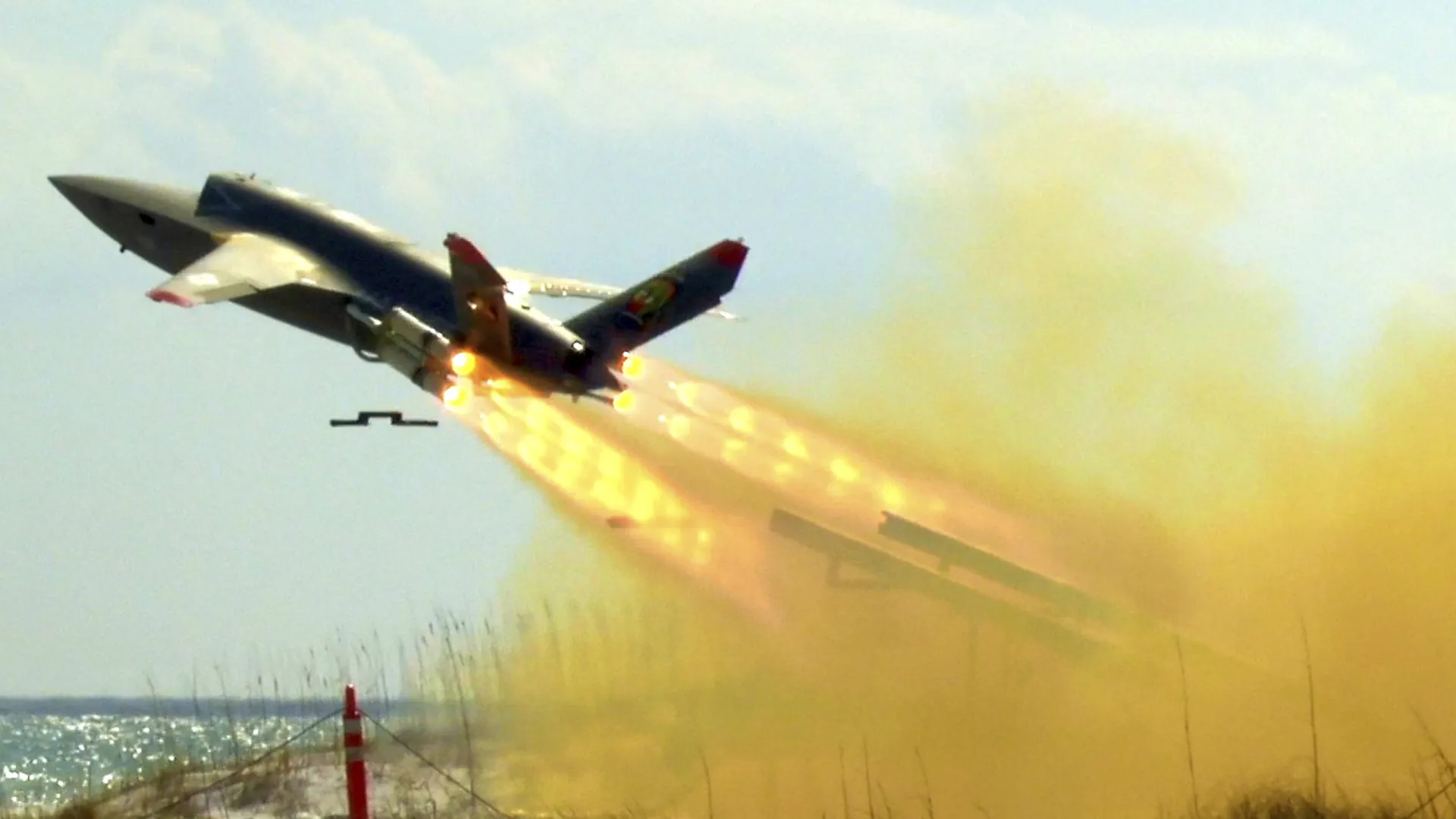

Around ten years ago, the US Navy abandoned the idea of an escort drone for fighter aircraft. Now it has put out the contract for such a weapon.
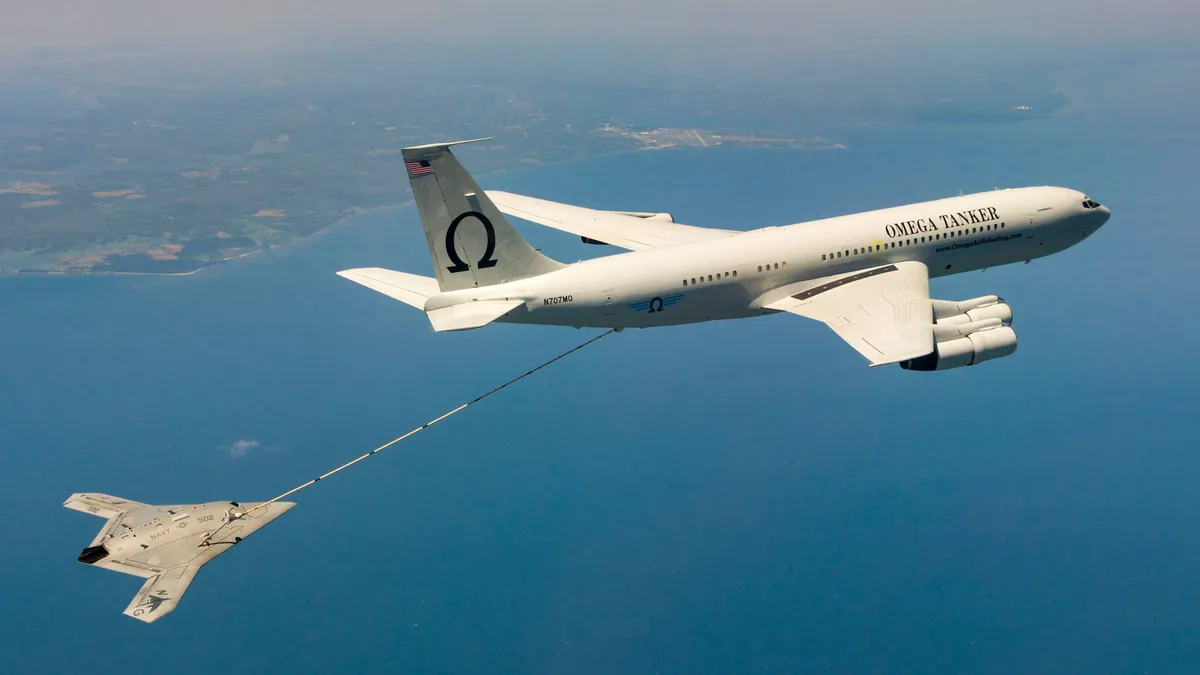
The US Navy has already shown in the past that it can autonomously take off and land large escort drones for fighter aircraft, so-called Collaborative Combat Aircraft (CCA), from aircraft carriers. However, the project was put on hold in the mid-2010s and the Navy instead received an MQ-25 Stingray drone that can refuel aircraft in the air.
Now the U-turn follows: On August 31, the US Navy published a request to the Pentagon to procure a new CCA. The specialist portal “The War Zone” first reported on it. The unmanned aircraft will be able to take off from and land on Nimitz- and Ford-class aircraft carriers, have a long range, carry weapons and operate in highly contested airspace.
- Billion dollar order beckons: Rheinmetall wants to build armored personnel carriers for the US Army
- Location at a glance: USA and Iran fight for control of Strait of Hormuz
In particular, according to the request, it is important to the US Navy that the new drones can work together and fight with manned combat aircraft. But the CCAs should also be able to carry out operations autonomously. According to a Navy request to the Pentagon, the first test flight of a prototype should take place no later than two years after a possible order is placed.
The idea for a drone came up in 2011
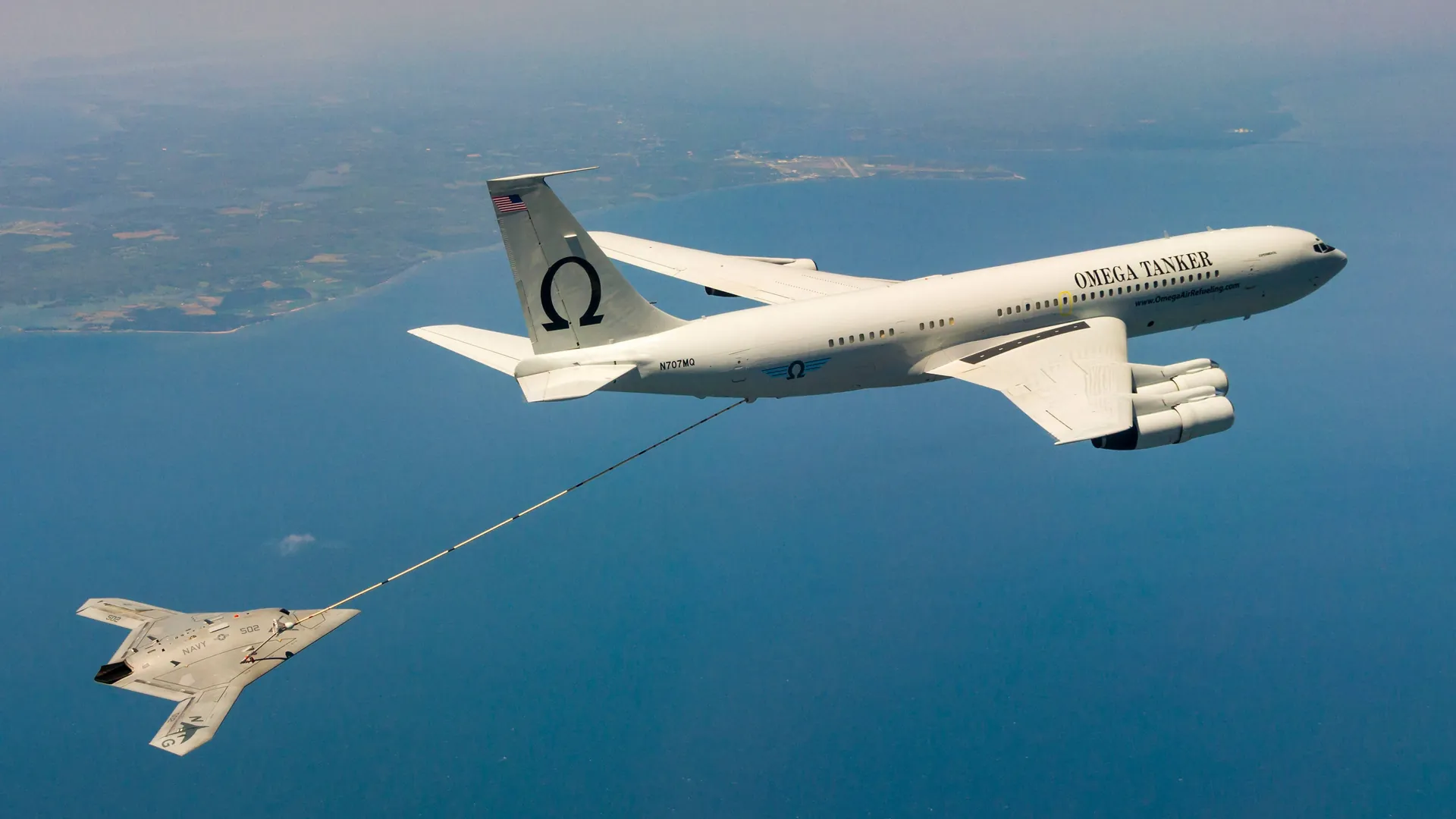
The X-47B drone developed by the arms manufacturer Northrop Grumman flew for the US Navy for the first time in 2011. However, the aircraft was only a prototype that the Navy wanted to use to test whether large unmanned aircraft could be integrated into the complicated operations of an aircraft carrier. In 2013, the X-47B successfully landed automatically with an arresting cable on an aircraft carrier for the first time. Two years later it also demonstrated autonomous aerial refueling. The findings were to be incorporated into a later deployment system called UCLASS.
But a fundamental dispute arose in the Pentagon about what UCLASS was actually supposed to achieve, writes “The War Zone”. Accordingly, the decision-makers in the US Department of Defense discussed whether the aircraft should be used primarily for reconnaissance with limited attack capability or whether it should be designed primarily for attacks in heavily defended areas.
The decision was delayed for years. In 2016, UCLASS was finally restructured: the planned reconnaissance and combat system became the “Carrier Based Aerial Refueling System” – the forerunner of the MQ-25 Stingray, whose main task is the aerial refueling of other naval jets.
