
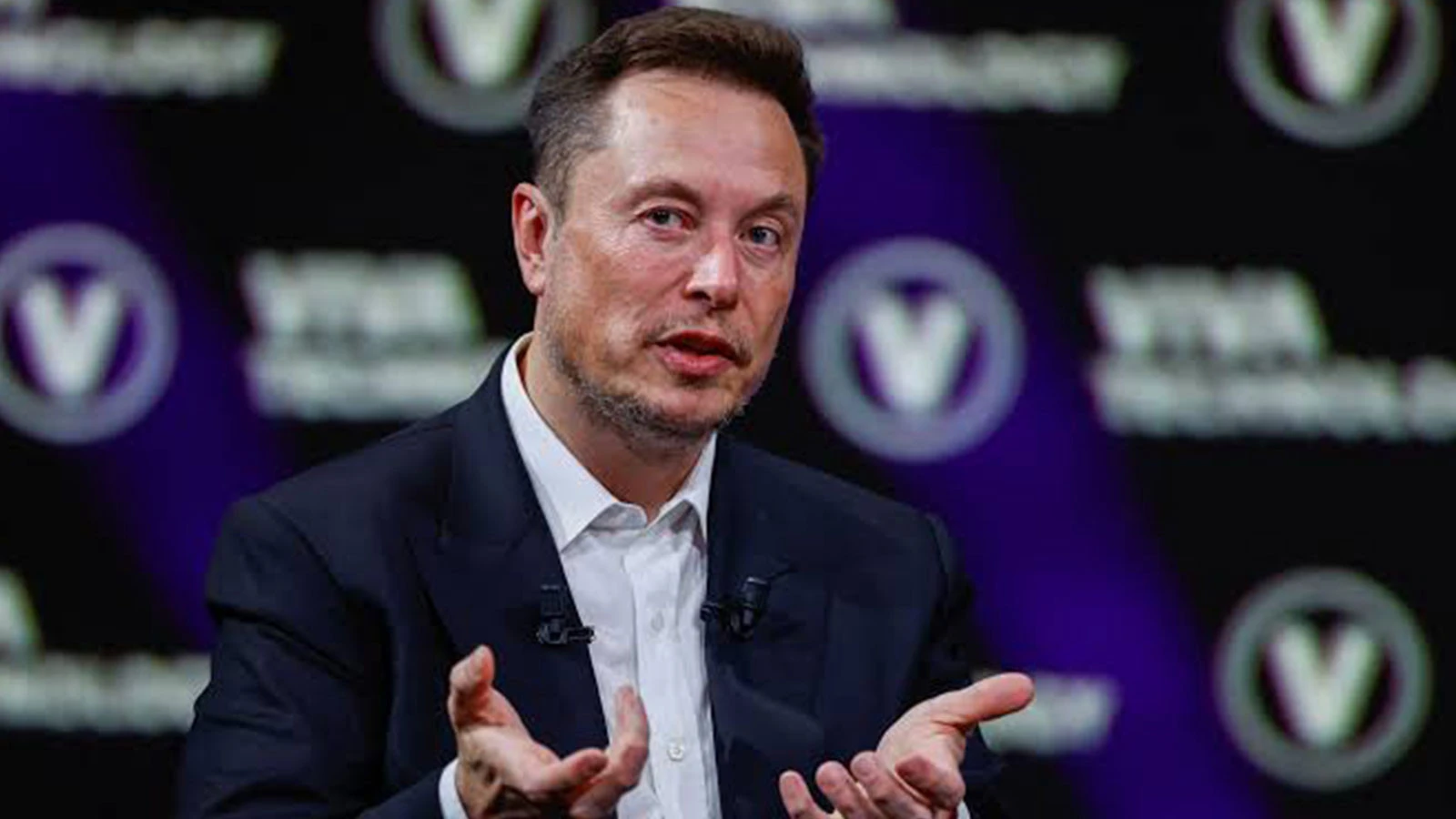
Work is accelerating on Elon Musk’s Neuralink project, which aims to establish a direct connection between the human brain and the computer. According to Independent, the company’s President DJ Seo announced that there were approximately 10 thousand people in the patient registration system created for the Neuralink implant in the fall of 2025, and only 12 people were implanted at that time. However, the studies were not limited to this. Neuralink announced in January 2026 that the number of people participating in clinical trials worldwide increased to 21. The latest data and claims are that this number has doubled today. According to the company’s data, the implants are currently being tested mainly on people with severe mobility loss due to spinal cord injury, ALS or similar reasons.
MUSK’S BIG GOAL
Analysis shows that Elon Musk’s long-term goal is far beyond medical uses. Musk argues that in the future, brain implants could enable a direct connection between humans and artificial intelligence. In the statements quoted by the Independent, Musk talks about much more ambitious possibilities, such as restoring vision, communicating the brain directly with digital systems, and even recording memories.
GREAT COMPETITION WITH CHINA
Experts emphasize that most of these goals have not been scientifically proven yet. While Neuralink’s current implants are still in clinical trials, the company’s primary goal is to enable patients with severe movement or loss of communication to communicate with computers. On the other hand, while companies such as Paradromics, Synchron and Precision Neuroscience, as well as Neuralink, are working on similar technologies in the USA, China is also accelerating its investments in brain implants. Recently, it has been pointed out that one of the new areas of technology competition between the USA and China may be brain-computer interfaces.
The resulting picture is interpreted as the idea of ”using computers with thought”, which was seen as science fiction a few years ago, has now moved from the laboratory to human experiments. Science and technology editors, on the other hand, point out that there is still a long and uncertain road ahead of us to realize Musk’s further goals, such as the merging of the human mind with artificial intelligence or the transfer of memories to the digital environment.
