
Controversial ammunition deal
Estonia: Defense Minister announces resignation
09/03/2026 – 10:23 amReading time: 2 minutes

Significant deficiencies in financial management and a controversial ammunition deal for Ukraine are putting Estonia’s defense ministry under pressure. Now the minister is drawing conclusions.
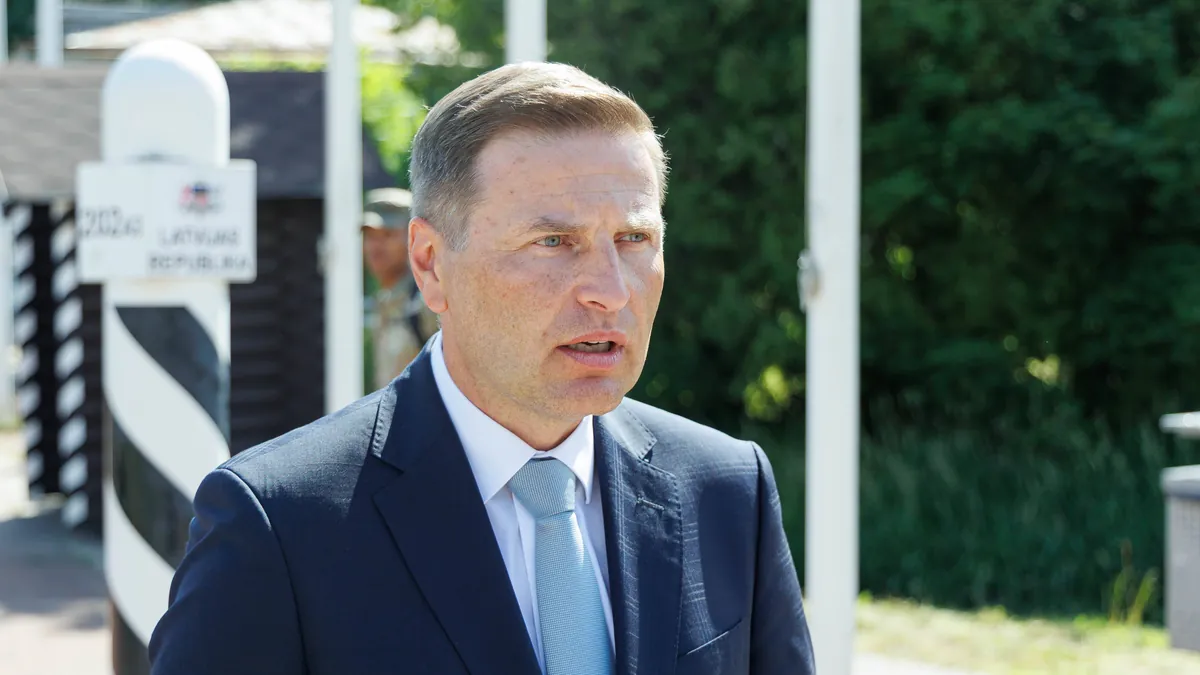
Estonia’s Defense Minister Hanno Pevkur has responded to a scandal surrounding the procurement of ammunition for the Ukraine announced his resignation. In an interview on Estonian television, the minister said that he was taking political responsibility for the failures in the financial management of the defense sector of the Baltic EU and NATO country and was resigning from his post. “The head of government must find a new defense minister,” said Pevkur. He had been in office since 2022.
At the same time, the 49-year-old politician from Prime Minister Kristen Michal’s ruling Reform Party also announced his retirement on social media. “I do this with the firm knowledge that we have made the right decisions to strengthen national defense. Estonia is better protected than ever before,” he wrote on Facebook.
- Current developments: News blog about the war in Ukraine
Criticism of ammunition procurement for Ukraine
Pevkur had previously come under public criticism after the Estonian Court of Auditors’ report found numerous serious problems in the institutions under the Ministry of Defense. According to auditors, these problems increased the risk that government funds and assets would be misused. Similar problems had already been identified a year earlier.
There was also another scandal surrounding the procurement of weapons for the Russia attacked Ukraine. Estonia paid a total of 70 million euros in advance to an Indian company in an attempt to buy artillery shells. However, the company had never sold bullets before. Neither Estonia nor Ukraine have yet received the ammunition – the dispute is now before the courts.
Estonia has 1.2 million inhabitants and borders Russia to the east. Its war against Ukraine is seen as a direct threat to national security in the Baltic state. The government in Tallinn is a close partner and supporter of Ukraine, which has been resisting a Russian invasion for almost four years.
