
Landmark referendum
Iceland remains outside – EU negotiations rejected
Updated August 30, 2026 – 4:04 p.mReading time: 3 minutes

For years there has been an emotional debate in Iceland about the pros and cons of joining the EU. Now the population has decided – there will be no new attempt for the time being.
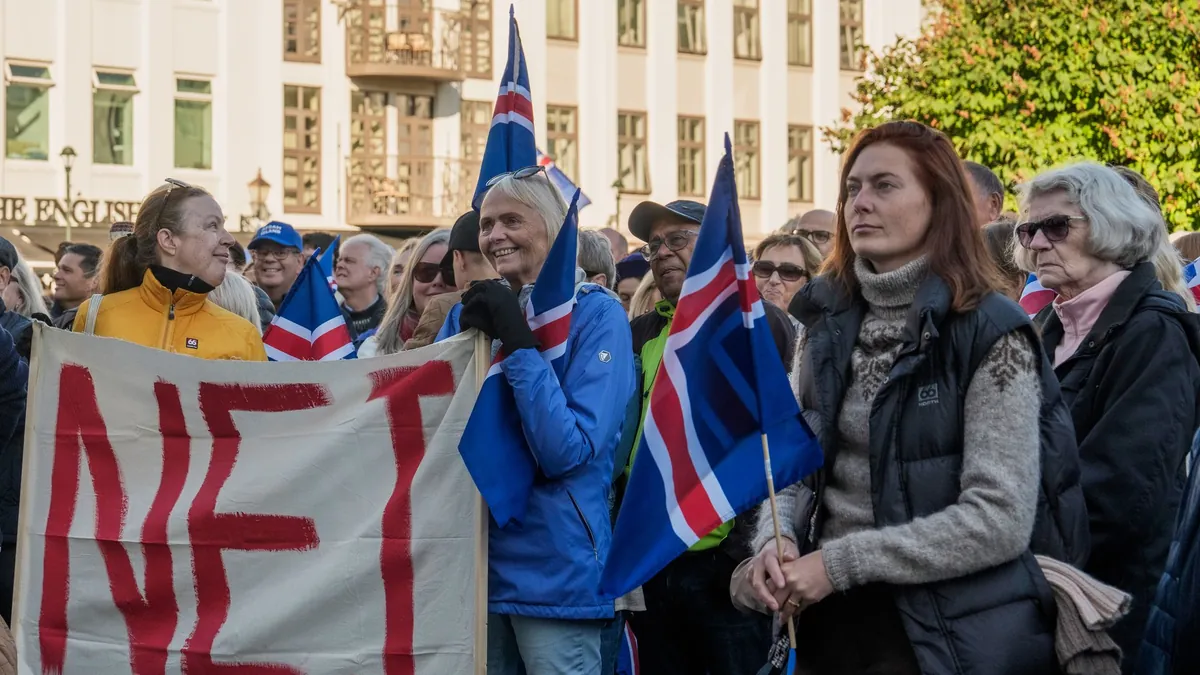
Iceland says “No” to the EU: The residents of the volcanic island rejected the resumption of accession talks in a close referendum. The electoral districts outside the capital Reykjavík were decisive for the victory of the EU opponents with 52.8 percent. With a high turnout, a total of around 118,000 people voted against the talks and around 105,000 for them. Although Iceland remains closely linked to the European Union, it is unlikely to become a full member.
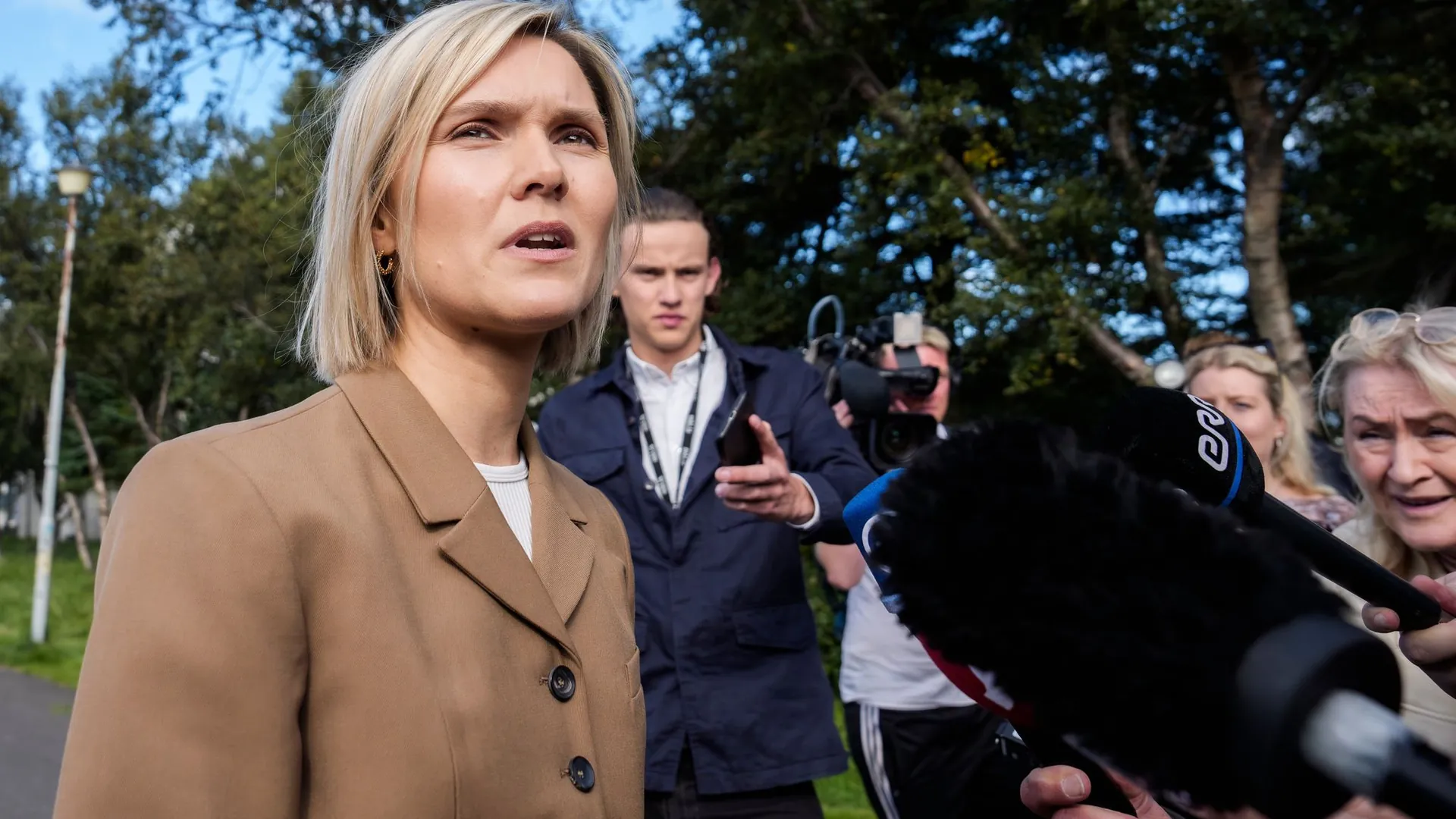
The result is a defeat for the Social Democratic leader Kristrún Frostadóttir, who had announced that the government would follow the decision. When she took office at the end of 2024, she had already spoken about a vote on new EU negotiations. The country, which has a population of just around 400,000, had already applied for EU membership during the financial crisis in 2009. But after the 2013 parliamentary elections, the new EU-sceptic government put accession plans on hold.
Until recently, Frostadóttir had campaigned for the “yes” vote of the approximately 270,000 people entitled to vote – without success. While the votes were still being counted until Sunday morning, the head of government expressed the hope that the referendum would not divide the country. After the count, Frostadóttir said on Icelandic television that she did not see the result as a setback, but as a “victory for democracy.” The high voter turnout of over 80 percent was “great for Iceland.”
Trump factor without decisive influence
The main argument of the supporters, that joining the EU would bring more security in uncertain times, was unfounded. The opponents opposed NATO membership and a 1951 agreement with the USA concluded bilateral defense agreement would be sufficient. In addition, there appeared to be distrust in the US President Donald Trump not to be so decisive that EU opponents would have changed sides after all.
Trump’s repeated threats that too Denmark belonging Arctic island Greenland to the United States was seen by observers as a serious factor in the vote. Without specifically naming the US president, Frostadóttir said: “We see around us that countries in our neighborhood have been protected by the European Union.”
Economically, Iceland is already strongly integrated into Europe, even without membership: The country belongs to the European Economic Area (EEA) and enjoys the advantages of the internal market – but has no say in important decisions. It is particularly important to EU opponents to retain sovereignty over fishing – the island’s largest and identity-forming industry. Frostadóttir wanted to negotiate a special rule, but the majority rejected that too.
