
Appeal to politics
Many owners will soon no longer be able to get insurance
October 14, 2026 – 3:09 p.mReading time: 3 minutes

The insurance industry is making an appeal to European governments: insurers will soon no longer be able to insure many properties. That would have far-reaching consequences.
A group of leaders from the European and British insurance industries warn of an impending crisis in the insurance industry in an anonymous letter to senior government officials and investors. Many building owners may soon no longer be able to insure their property – in the worst case, this could trigger a wave of bankruptcies and then a financial crisis.
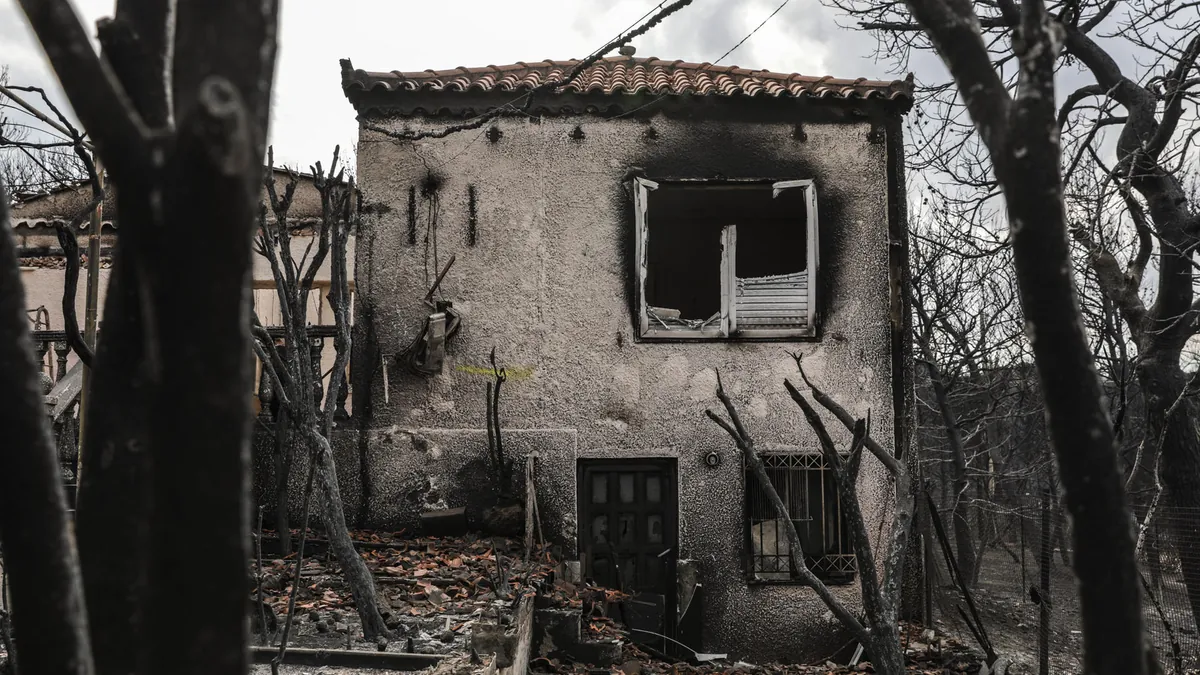
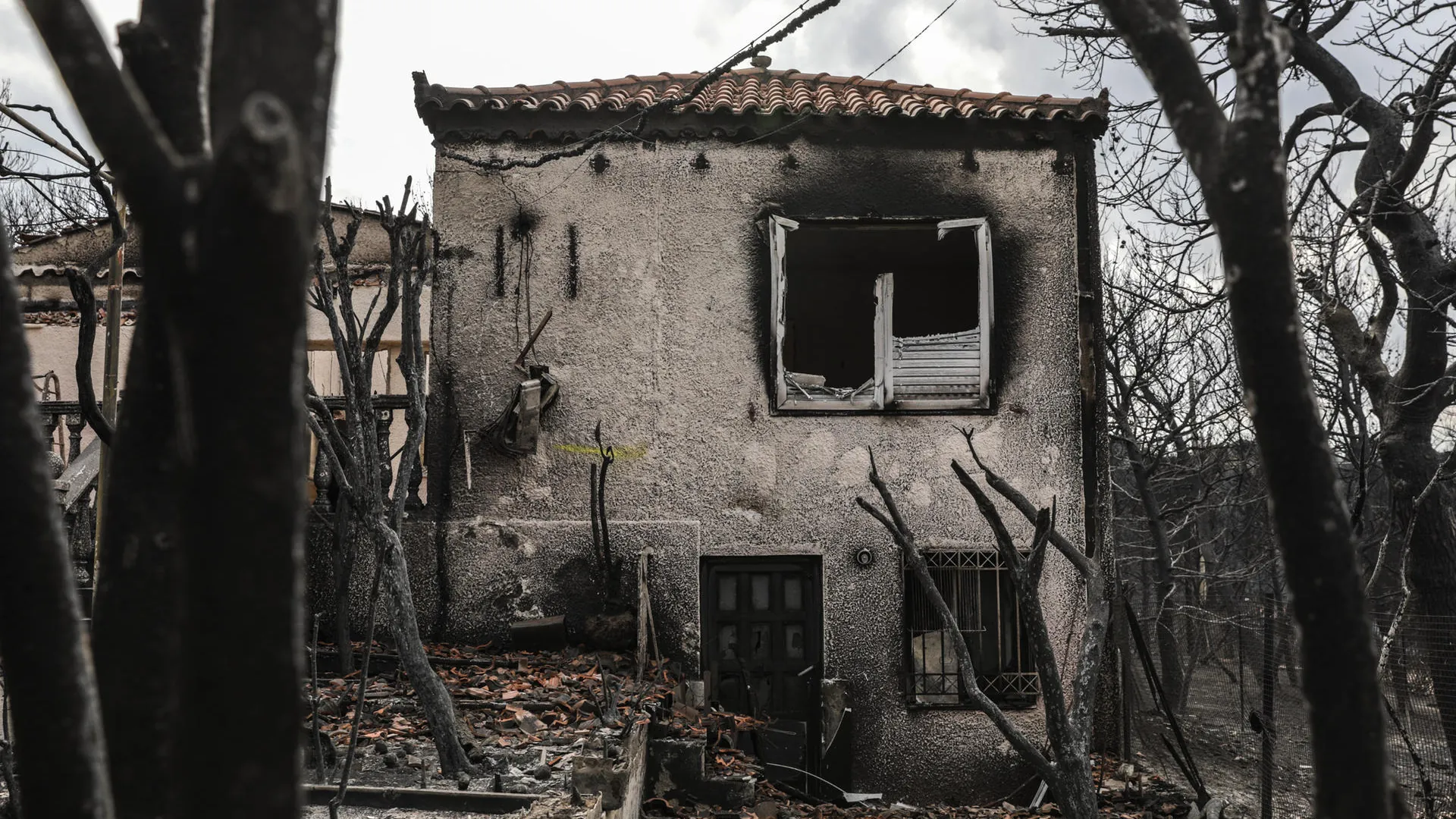
The background is the growing climate risks from floods, forest fires and storms could soon make many houses uninsurable.
The letter will be distributed via the “Inside Track” portal. The portal enables insiders from certain industries or large companies to go public in the form of anonymous letters and provide information about problematic or even harmful practices. According to “Inside Track”, the aim is not to boycott or badmouth individual companies or industries, but rather to give a voice to those who want to change something.
Insurance industry “deeply concerned” about climate change
The insurance industry’s now published letter is entitled “A Warning Call” and was published in English, German and French. “As experienced professionals in our field, we are deeply concerned about the ominous rate at which physical climate and environmental risks are increasing,” it said. This will have “far-reaching consequences” for governments and insurance customers. But most of them hardly know anything about it.
The insurance industry is currently tackling the increasing climate risks for building owners through three steps: First Insurance premiums increaseduntil they became unaffordable for many owners; secondly, certain damage, such as forest fire damage, would be completely excluded from building insurance; thirdly, insurers are withdrawing from certain regions and areas, such as insurance for agricultural businesses.
According to insiders, this development has already begun – and will now accelerate. The result will be that more and more buildings can no longer be insured. In the worst case scenario, it could lead to a financial crisis if – as was the case in the 2008/09 financial crisis – a large number of owners are no longer able to service their loans.
But even if this extreme scenario does not occur, the economic disruption could be significant: insurers could go bankrupt, but also Pension funds invested in these sectors face financial risks. “Our industry is not doing enough today to protect these investors in the medium term to the extent possible.”
Certain owners particularly affected
Specifically, the insiders name the following groups that are likely to be hit hardest by this development:
- Owners in coastal and mountainous regions
- Owners in forest fire and flood regions
- Owners who already find it difficult to pay their insurance premiums
- Agricultural businesses and companies along this value chain
- Economic sectors that depend on nature and the environment, that is tourism or shipping
Rising insurance premiums are currently unavoidable for these groups inflation and higher costs of living are likely to fuel.
The insurance industry hardly talks about this development
Even though it is known within the insurance industry that European companies are on this path, insiders believe that too little is being done to draw attention to it. On the contrary: Employees in insurance companies are often required to underestimate risk forecasts. “Adjustments to risk models are often subject to economic considerations, particularly when higher estimates of future physical risks could reduce profitability or cost market share.”
