
Drastic measure
Kuwait deprives naturalized citizens of their right to vote
Updated August 24, 2026 – 3:20 p.mReading time: 2 minutes

Kuwait’s Emir wants to subject his country to a political reform process. It is still unclear where it will go. However, the latest measure does not bode well.
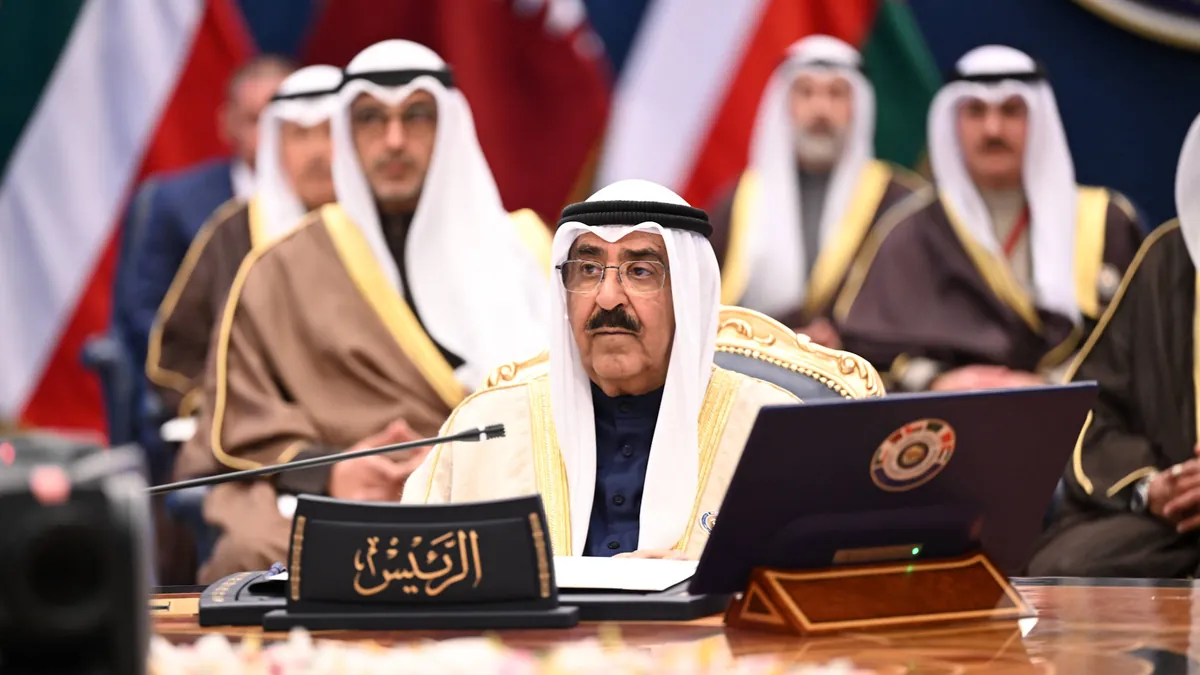
Naturalized residents of Kuwait will no longer be allowed to vote in the future. Emir Meshal al-Ahmed al-Jaber al-Sabah signed a decree on Sunday depriving naturalized Kuwaitis of the right to vote, according to a report by the state-run Kuna news agency. In addition, as before, they cannot stand in elections or be entrusted with parliamentary positions. Previously, naturalized Kuwaitis were able to vote in elections 30 years after acquiring citizenship.
Since 2024, the authorities in the Gulf state have revoked the citizenship of tens of thousands of people. This was presented by the authorities as part of the Emir’s reform agenda. Five months after taking office in December 2023, he had already dissolved parliament and suspended parts of the constitution. Since then, women can no longer acquire citizenship through marriage. All women who had become Kuwaitis through marriage since 1987 were stripped of their citizenship.
The emir’s citizenship policy appears aimed at limiting citizenship to those born in the small, oil-rich country. Consanguinity now becomes the decisive criterion of identity. No longer a sense of belonging to society, even if a woman has lived in the country for almost 40 years. The 85-year-old al-Sabah is seeking to reshape Kuwaiti identity and potentially shrink the electorate after years of political crisis.
Emir wants a thorough reform process
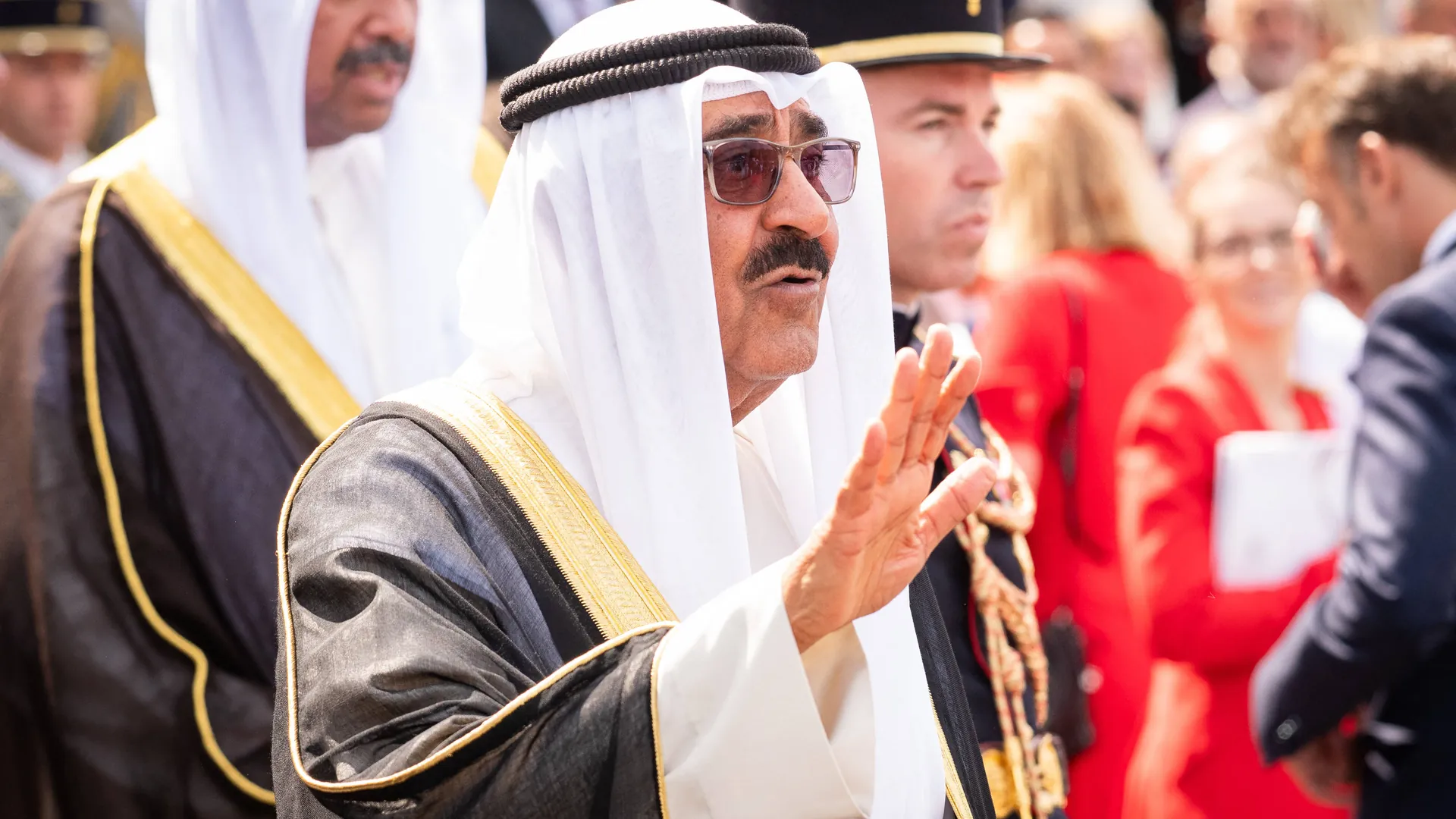
What the Emir presents as a reform agenda is causing concern in other parts of the world. This is what denounces Amnesty International serious violations of human rights in the country. For example, the Kuwaiti authorities are restricting the right to freedom of expression and peaceful assembly. Critics are arbitrarily arrested and imprisoned. Just like women and girls, the local Bidun ethnic group, which dates back to former nomads, continues to be exposed to systematic discrimination. In addition, authorities continued to use the death penalty and carry out executions despite international protests against the practice.
For many decades, Kuwait was considered one of the most vibrant democracies in the Gulf region. But years of political stalemate, triggered by a fragmented parliament and factions at odds with one another, had plunged the country ever deeper into crisis. When Emir al-Sabah ascended the throne at the end of 2023, he dissolved parliament for an indefinite period and also suspended parts of the constitution. It was said that he wanted to revise the constitution. But so far, according to Middle East experts, there is little to be seen. It is not clear which political direction the ruler should take. The latest signs suggest that Kuwait is transforming into an authoritarian form of government.
