
Massive military and police presence
Ceuta is preparing for a new wave
Aug 15, 2026 – 11:51 amReading time: 3 minutes

According to new rumors on social media, Spain is mobilizing in Ceuta on the border with Morocco. Unlike two weeks ago, the neighboring country is also intervening.
The Spanish government has its police and military presence in its North African exclave Ceuta reinforced. There had previously been calls on social networks for a renewed onslaught from the neighboring country Morocco became known.
Unlike two weeks ago, this time the Moroccan government also warned of a refugee movement in the border region. She called on the population not to follow “suspicious and misleading calls”. It was said that the incitements were punishable under Moroccan law.
In addition, Spanish soldiers in combat uniform stood guard in front of supermarkets and public buildings, while police vehicles increasingly patrolled the main streets of the exclave.
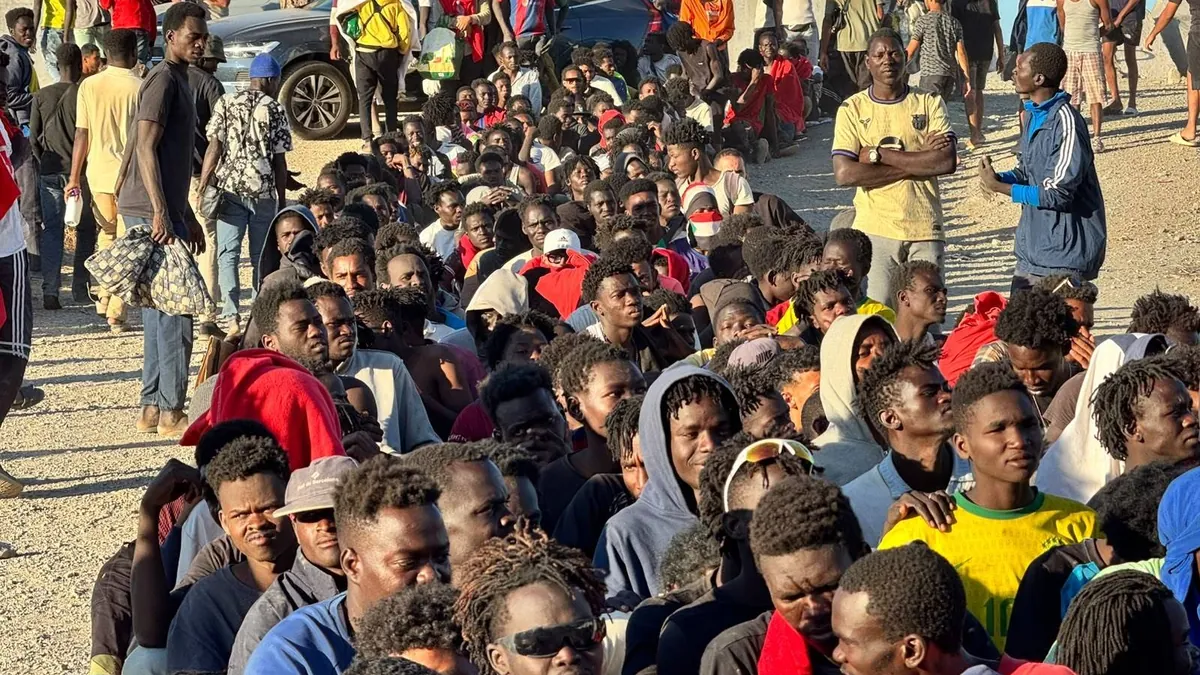
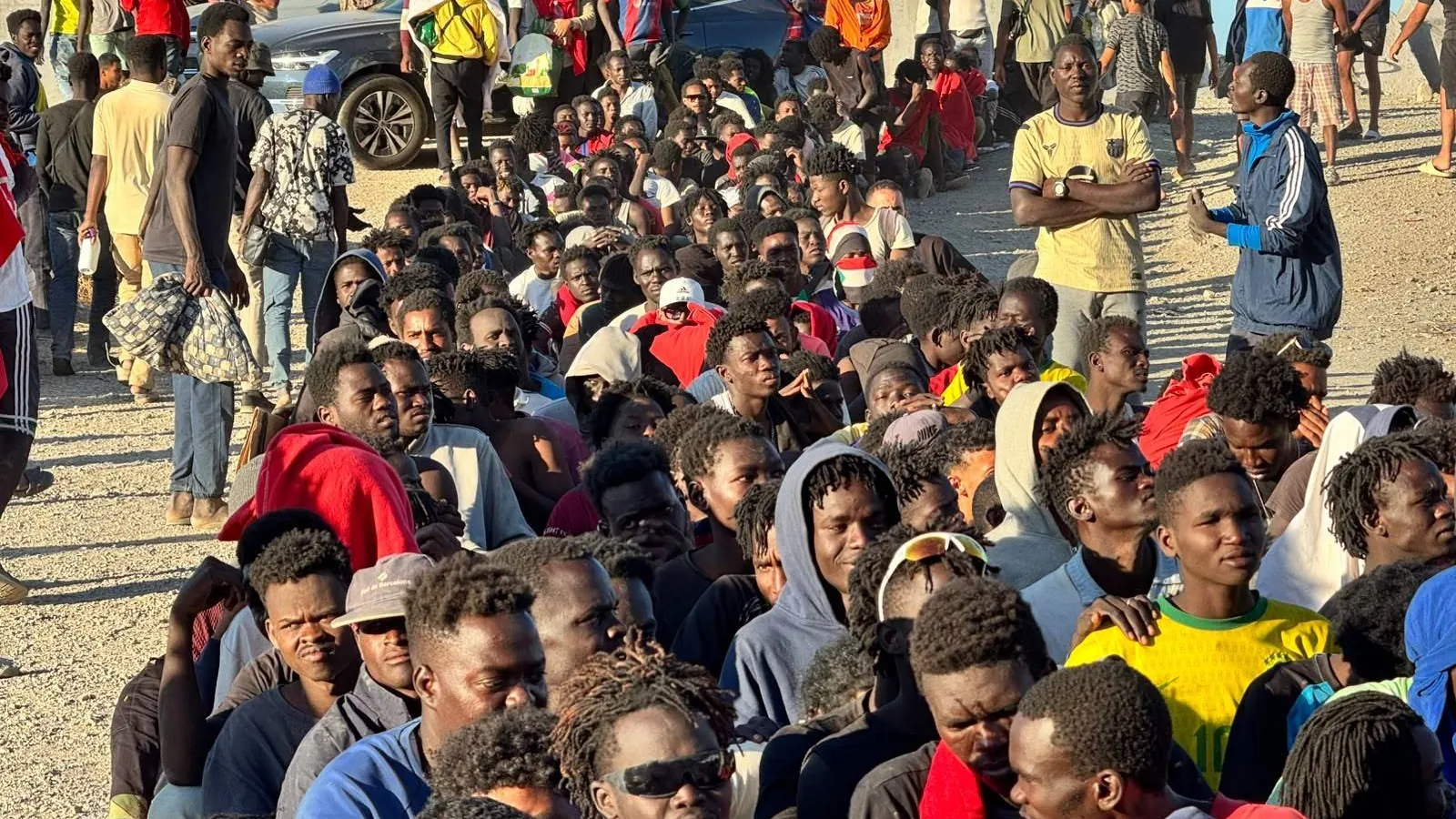
On July 30, more than 70,000 people had already tried to cross the border from Morocco to the Spanish exclave. Almost 100 people were killed. The majority of people returned to Morocco after a few days.
Security measures have been significantly tightened in recent days, especially on the Moroccan side of the border, as RTVE reported. In the border town of Fnideq, the authorities set up additional barriers made of barbed wire and NATO wire.
According to RTVE, patrol boats are monitoring the coast and water cannons are available at the border. There are also numerous checkpoints on the access roads. There are currently 880 Spanish National Police officers on duty in Ceuta, 270 more than at the end of July. They are supported by around 2,000 soldiers and 700 officers from the Guardia Civil police unit.
Merz signs fire letter to Sánchez
The incident two weeks ago sparked a migration policy debate between EU states. Led by the Italian Prime Minister Giorgia Meloni and the Danish Prime Minister Mette Frederiksen had 22 EU heads of state and government, including the Federal Chancellor Friedrich Merz (CDU), sent a letter to the Social Democratic Spanish Prime Minister Pedro Sánchez. He defended himself against the allegations.
After a crisis meeting of the EU interior ministers, the situation calmed down briefly. The previous week, Sánchez and Meloni had again discussed mutual border controls when traveling between Italy and Spain argued. Swedish Prime Minister Ulf Kristersson directly attacked Sánchez in an interview with the Financial Times this week. “I think Spain got the message,” said the right-wing conservative politician.
