
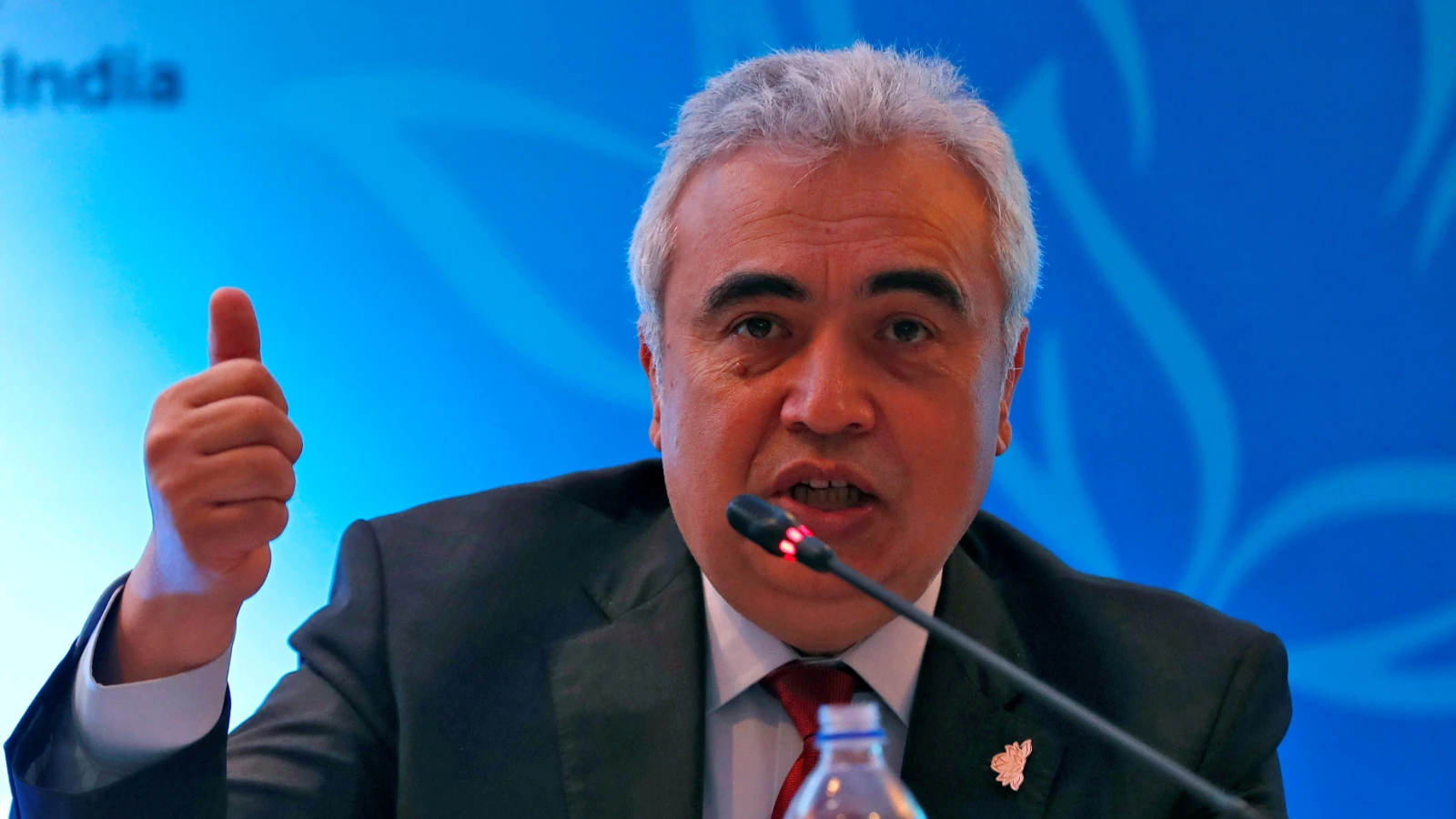
The International Energy Agency (IEA) reported that oil exports of the Gulf countries continued to remain high despite the security risks to the Straits of Hormuz and Bab al-Mandap.
In the statement made by IEA President Fatih Birol regarding the oil markets, it was stated that the situation in the oil markets was closely followed following the latest developments in the conflicts in the Middle East.
It was stated in the statement that the escalation of conflicts affecting the Strait of Hormuz and the energy infrastructure in the region increased concerns about supply security and uncertainty about the market outlook, and that threats to the Bab al-Mandep Strait, which has become increasingly important in order to bypass the Strait of Hormuz, deepened these concerns.
In the statement, it was stated that despite this, crude oil markets continue to receive support from some stabilizing factors at this stage, and it was stated that Gulf producers, especially Saudi Arabia and the United Arab Emirates, continue to deliver significant amounts of oil to global markets through alternative routes outside the Strait of Hormuz, and that shipments through the Strait continue.
Birol said, “According to our estimates, exports of the Gulf countries are below their peak levels at the end of June, but are still at significantly higher levels compared to the period between the beginning of March and mid-June.” made his assessment.
OTHER MANUFACTURERS PARTIALLY COMPENSATED THE LOSS OF SUPPLY
In the statement, it was stated that oil producers in other regions, especially the USA, Brazil, Venezuela and Kazakhstan, compensated for some of the supply losses from the Gulf by increasing their exports.
On the demand side, it was stated that China’s reduction of crude oil imports by approximately 50 percent compared to pre-war levels played an important role in balancing the markets.
Birol pointed out that the emergency oil stock releases carried out by IEA member countries also provided significant relief to the markets and said:
“Since the IEA announced joint action to release 400 million barrels of oil to the market on March 11, member countries have released approximately 290 million barrels of oil, and additional quantities continue to reach the market. IEA member countries continue to hold significant emergency oil stocks as reserves, including publicly controlled stocks of over 1 billion barrels.”
In addition, it was stated in the statement that the markets for refined petroleum products, including diesel and gasoline, exhibited a much tighter outlook compared to the crude oil market, as refinery activities and petroleum product supply did not recover as strongly as the increase in crude oil deliveries.
INCREASED LNG SHIPMENTS COMPENSATED 70 PERCENT OF THE SUPPLY LOSS
In the natural gas markets, it was stated that the increasing LNG shipments from other regions, especially the USA and with the contribution of Canada, compensated for approximately 70 percent of the supply loss experienced through the Strait of Hormuz.
However, it was noted that additional delays in the resumption of LNG exports from the Gulf may cause markets to remain tight for longer, and the impact of this will be felt by all LNG importing countries, including European countries trying to fill their natural gas tanks before next winter.
The IEA maintained its assessment that a resolution to the ongoing conflicts is vital to avoid further deterioration in the security of global energy supply, and that this includes the full and unconditional reopening of the Strait of Hormuz.
