
Iran war
USA wants to increase pressure on Iran – what does Tehran want?
Updated July 16, 2026 – 9:54 p.mReading time: 4 minutes

The Iran conflict has escalated again because of the dispute over the Strait of Hormuz. Tehran is sending different signals: drones and missiles – and thoughts about negotiations.
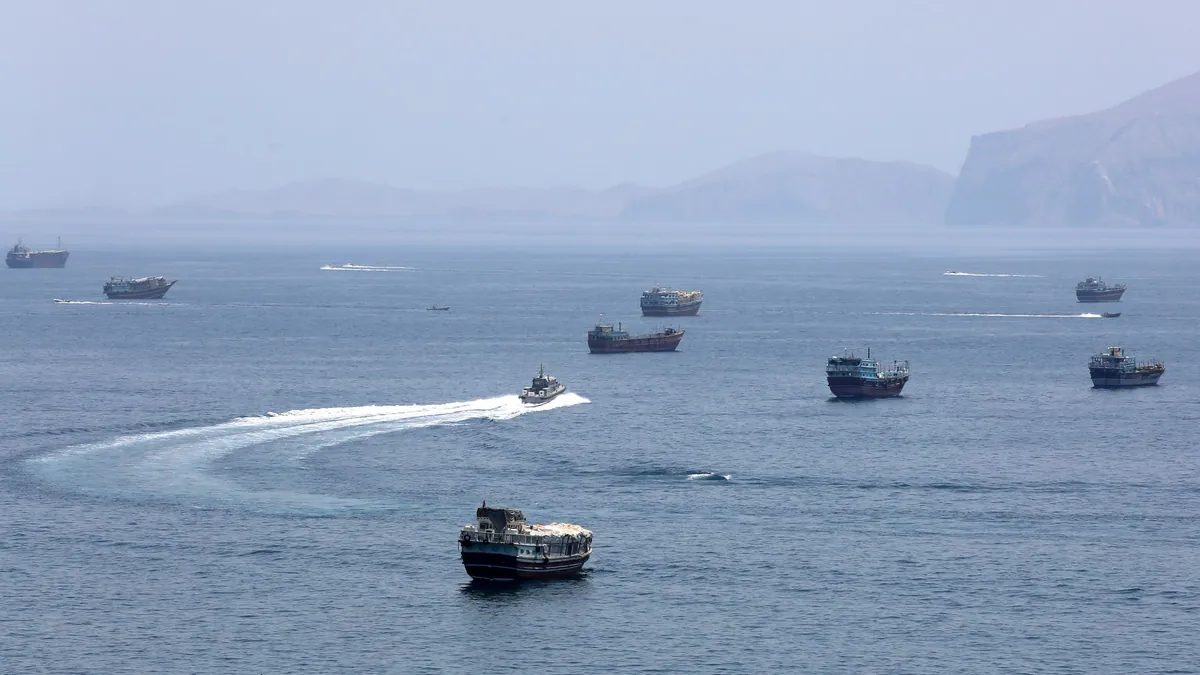
After new attacks and threats USA against the Iran The leadership in Tehran is sending mixed signals about possible further negotiations. The Iranian parliament speaker and chief negotiator Mohammed Bagher Ghalibaf left the door open for this, but at the same time warned that one should not be afraid of asserting one’s own interests through military means. In Wednesday’s statement, part of which was read on television, he also emphasized that Iran is in control of the Strait of Hormuz claim. The conflict has escalated again because of the dispute over the strait, which is important for global energy trade.
The US military attacked targets in Iran again late on Thursday evening (Iran local time) – according to its own statements, for the sixth night in a row. The aim is to “further weaken Iran’s military capabilities,” the US military command responsible for the region (Centcom) said on X. Before that, the USA attacked targets in Iran in two waves on Wednesday. Tehran responded by shelling targets in the region – among others, the US-allied Gulf states Kuwait and Bahrain reported attacks. Also Jordan reported renewed shelling from Iran.
Message to the hardliners in the country?
In war and in negotiations, one must be realistic and act with foresight, Ghalibaf explained in his statement. Gregory Brew, Iran analyst at Eurasia Group, told the New York Times newspaper: “As in the past, Ghalibaf is trying to unite the battlefield and the negotiating table: advocating continued resistance to the US while arguing that a long-term solution to the conflict requires dialogue.”
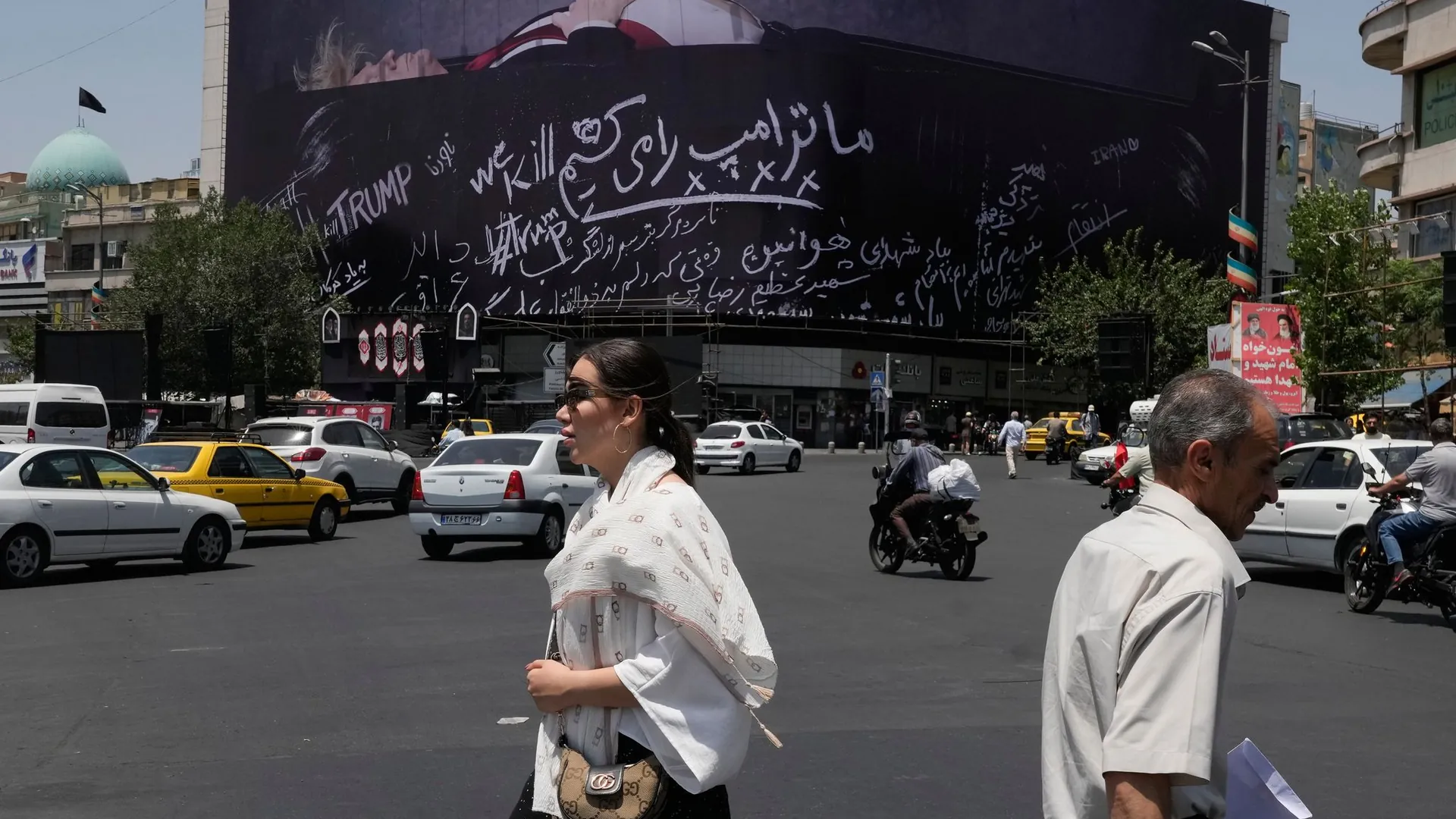
As a negotiator, Ghalibaf is considered a central figure who was able to achieve success in the so-called framework agreement with the United States. His statement can therefore also be seen as a message to hardline factions – for example in the ranks of the powerful Revolutionary Guard – who are looking for revenge, especially after the funeral of the head of state Ali Khamenei. In the end, however, the question arises as to who in Iran really decides how the war will progress – and whether it is the negotiators around Ghalibaf. Attacks on ships in the Strait of Hormuz had undermined the success of the framework agreement.
According to US government spokeswoman Karoline Leavitt, Tehran is still working on an agreement Washington interested. “Iran remains in close contact with the United States of America,” Leavitt told the capital’s press in Washington on Thursday. Leavitt justified the fact that the US military has been attacking targets in Iran for days with the behavior of the Iranian leadership. US President Donald Trump will not stand idly by while Iran attacks ships in the Strait of Hormuz.
