
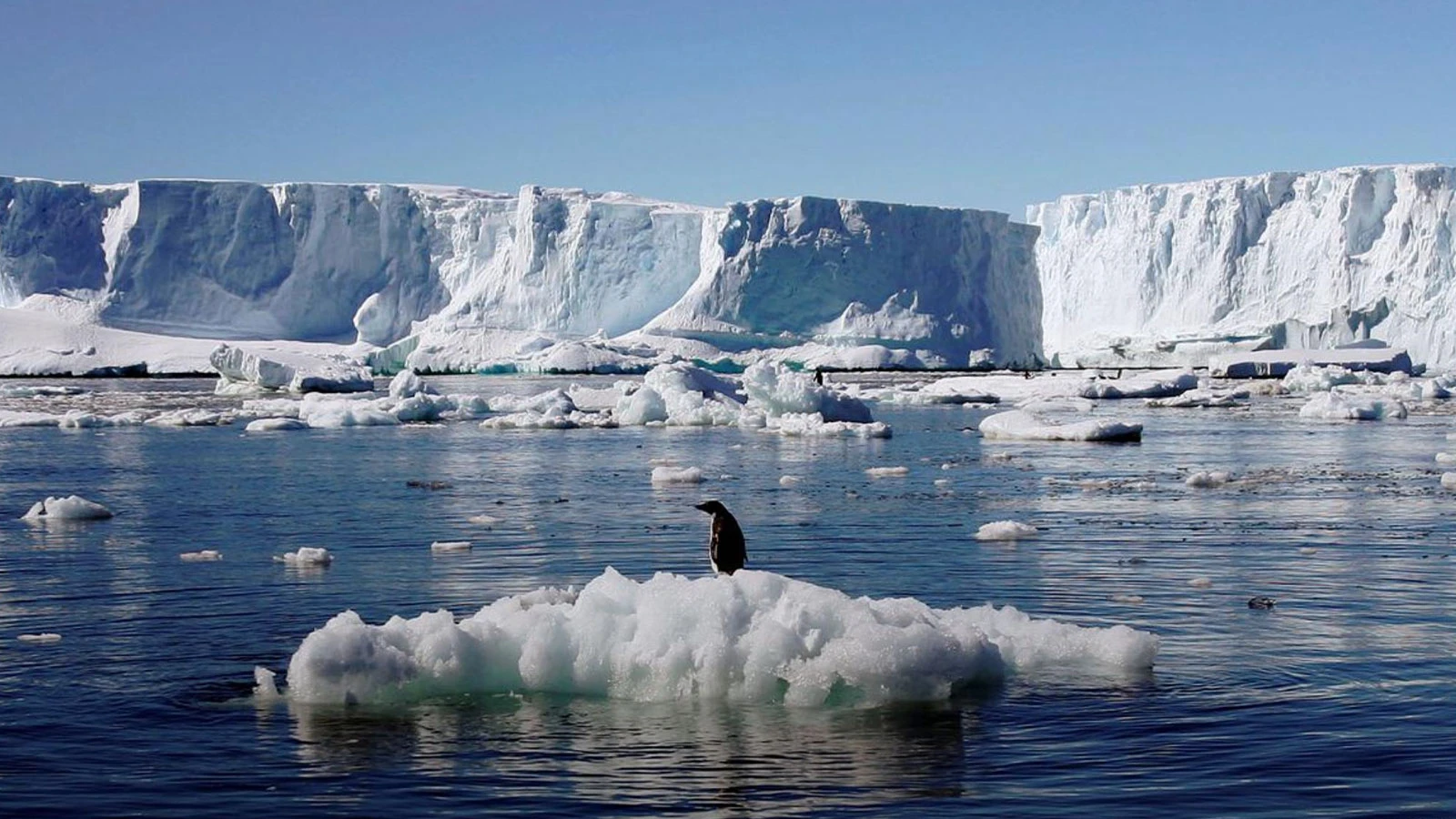
Copernicus, the World Meteorological Organization (WMO), the United Nations (UN), IPCC and numerous international studies published in recent years reveal that the oceans, atmosphere and ecosystems have changed and deteriorated at an unprecedented pace since 2023. According to experts, the global climate system is becoming increasingly hot, unstable and destructive.
OCEANS ARE BREAKING RECORDS, THE WORLD IS WARMING
According to Copernicus data, the global average sea surface temperature reached 20.98 degrees in June 2026, surpassing all June records in 2023 and 2024. Daily temperatures measured on June 21 reached the highest level ever recorded for this period of the year. Scientists state that both decades of human-induced greenhouse gas emissions and El Niño, which has begun to strengthen again in the Pacific, are effective in this rise. Oceans absorb approximately 90 percent of the excess heat generated by human activities. According to scientists, this natural balance is now approaching its limits. Increase in sea temperatures; stronger hurricanes, excessive rainfall, prolonged droughts and accelerating sea level rise all at the same time.
NATURE AND LIVING LIFE ARE AT RISK
Since 2023, marine heatwaves have reached record levels across much of the world. Mass bleaching events in coral reefs have accelerated, migration routes of fish populations have changed, and the habitat of many marine creatures has shrunk. UN and WMO reports reveal that ecosystems are under serious pressure, especially in the Great Barrier Reef, the Mediterranean, the Southwest Pacific and tropical oceans. Scientists say that warming oceans affect not only marine life; He states that it also affects agriculture, fresh water resources and biodiversity. While increased evaporation of sea water increased the amount of moisture in the atmosphere, floods, tropical storms and extreme rainfall events began to occur more frequently. The same process deepens long-term drought and forest fires in some regions.

MILLIONS OF PEOPLE WILL BE AFFECTED
According to IPCC, World Meteorological Organization and the annual Indicators of Global Climate Change 2025 report The rise in global temperatures is no longer just environmental; It has become an economic and social crisis. The decline in agricultural production, decrease in drinking water resources, losses in the fishing industry and increased flood risk in coastal cities directly affect millions of people. It is also evaluated that millions of people may face the risk of climate-related migration in the coming years as a result of sea level rise.
EL NINO CAN TRIGGER HEAT
Scientists also point to El Niño, which is starting to strengthen again. According to data from the World Meteorological Organization and NOAA, developing El Nino is expected to further raise ocean and atmospheric temperatures in the coming months. It is stated that this situation could make 2026 one of the hottest years on record. Environmental experts also emphasize that if global greenhouse gas emissions are not reduced rapidly, the oceans’ capacity to balance the climate system will further weaken.
(email protected)
