
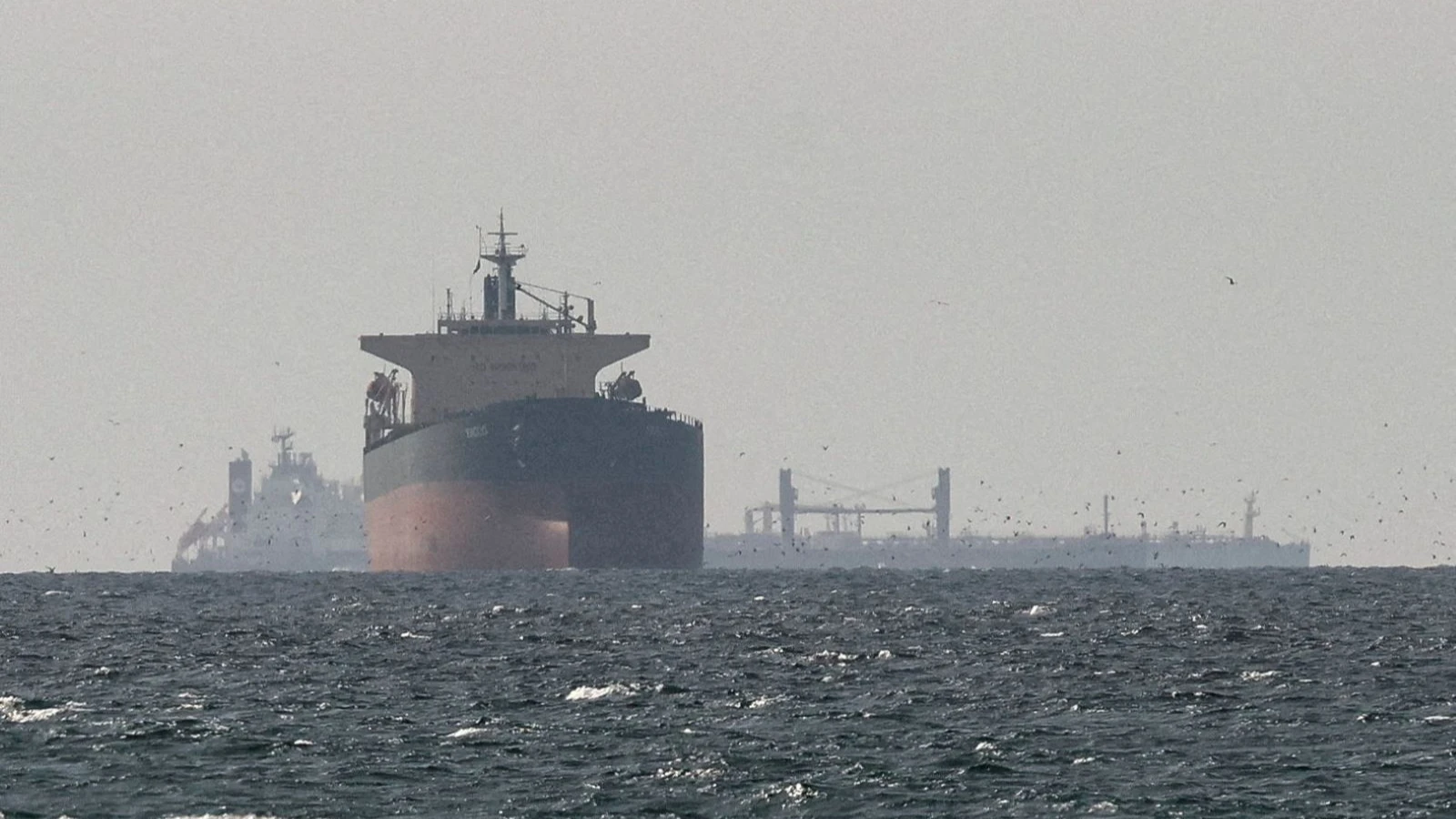
For example, it will likely take Qatar three years to increase gas production to full capacity. More importantly, the Strait of Hormuz, through which one fifth of the world’s oil passes, used to be free, but is now under the control of Tehran; Iran continues to block passage and demand fees from ships.
In any case, it is time to think about what needs to be done to prevent a similar crisis from happening again. This is especially important for the European Union; because the union once again faces disruption of vital energy supplies due to a geopolitical shakeup, as happened after Russia’s invasion of Ukraine in 2022.
Persian Gulf countries, which are exposed to attacks by Iran, can strengthen their infrastructure in order not to depend on the Strait of Hormuz for their exports in the future. The rest of the world needs to further diversify its energy sources. For Europe, the need to reduce dependence on fossil fuels is increasing; Instead, an energy mix that includes more nuclear and renewable energy should be targeted.
BEWARE OF SPAIN
At this point, the countries that should be taken as an example are those in the Iberian Peninsula, especially Spain. Spain; It uses solar, wind and hydroelectric resources so effectively that the role of gas in electricity production remains quite limited.
According to an article published in the Financial Times, the Spanish example shows that installing wind turbines and solar panels alone is not enough to reduce fossil fuel use or lower energy costs. It requires systematic and intelligent management, and even a little luck. The Hormuz crisis increased electricity prices in European countries; However, France, which relies on nuclear energy, and Spain, which relies on renewable energy, were less affected by this situation. The electricity market operates according to the marginal price system; that is, the price is determined by the final energy source used to meet demand. In other words, when renewable resources are not enough to meet demand, gas usually comes into play and determines the price.
ANOTHER SUCCESS STORY IS FROM FRANCE
In France, this system is more advantageous; because the inherent intermittency of renewable energy is balanced by nuclear energy. Although nuclear power is less available in Spain, gas has only been a price driver 15% of the time in the first three months of 2026. In Italy, this rate is 89%. As a result, the price of electricity in Spain remained at an average of 66 euros per megawatt hour, half that of Italy.
Behind this success is a clever combination of renewable resources; The system is arranged to minimize the possibility of gas coming into play. It doesn’t just matter how much wind or hydropower is produced. The example of the United Kingdom clearly shows this: despite producing more than half of its energy from renewable and nuclear sources this year, gas was still the price driver more than 66% of the time, leading to one of the highest electricity prices in Europe. According to the Financial Times, the luck factor is also important because renewables are weather dependent. The windy and rainy winter in Spain has increased wind and hydroelectricity production. Additionally, gas power plants come online more frequently than statistics indicate and are charged separately for the services they provide to the grid.
These positive results in the field of energy probably gave the government of Spain’s socialist leader Pedro Sánchez the political space to not only limit the effects of the Hormuz crisis but also distance itself from Donald Trump and Benjamin Netanyahu’s war in Iran. Lower energy bills and greater political independence provide strong reasons for the Spanish model to be emulated by other countries.
However, investments in renewable energy must be supported by a comprehensive modernization of the European electricity grid. At this point, we need to look at the Iberian Peninsula. Progress in the field of clean energy has shown that it can pose serious risks if the infrastructure is inadequate. In March, the European Network of Transmission System Operators for Electricity (Entso-e) published its final report on the major power outage affecting Spain and Portugal on 28 April 2025.
POWER OUTAGE IN SPAIN
There was no single reason for this outage: The report listed 17 different factors that created a “perfect storm”. However, one of the most important points is the emphasis on the need to reconsider the entire electrical system. Experts offered several suggestions to prevent similar incidents: better monitoring of the system, strengthening data sharing and coordination, and updating rules to adapt to changes in the electricity system.
