

With the increasing effect of the winter months, respiratory infections have moved to the top of the agenda again. The results of surveillance studies carried out by the Ministry of Health for the period from October 2025 to January 2026 indicated a higher viral load this season compared to previous years. In the screenings performed on patients applying to family physicians, viral upper respiratory tract infection agents were detected in approximately 50 percent of the 1,821 cases monitored only in the October-January period. While rhinovirus constituted a significant portion of these factors, it was observed that the share of severe infectious agents such as influenza and RSV also tended to increase.
H1N1 INFECTS EVERYONE
Current data for the first two weeks of January 2026 made the picture even clearer. In this short period of time, respiratory tract infection agents were detected in approximately 80 percent of 336 patients who applied to their family physicians. The most common virus was Influenza A (H3N2), followed by Influenza A (H1N1), Influenza B, rhinovirus, seasonal coronaviruses, Respiratory Syncytial Virus (RSV) and SARS-CoV-2. In approximately 5 percent of cases; The detection of coexistence of H3N2 and RSV revealed that the risk of multiple viral infections increased this season. Experts pointed out that in areas where swab samples cannot be taken in small centers or where there are no laboratory facilities, the real number of cases is higher than what is reflected in the records.
DELIVERY TO VIRUS IN EUROPE
International comparative data for the 2026 season also supports the picture in Türkiye. According to data from the European Center for Disease Prevention and Control, throughout Europe in the winter of 2025-2026 Applications for influenza-like illness increased by an average of 25 percent compared to the previous season. The US Centers for Disease Control and Prevention reported that hospitalization rates due to influenza this season have reached the highest level in the last 5 years, especially in the group over the age of 65. The rapid increase in family medicine data in Türkiye follows a trend parallel to the global trend.
DECLINE IN FLU VACCINES
Infectious Diseases Specialist Prof. Dr. Iftikhar Köksal emphasized that there has been a serious increase in both Covid and influenza cases since December, “There has been a significant increase in influenza cases, especially in the last month. Unfortunately, there is a serious decrease in flu vaccination. Due to new variants, diseases cause severe symptoms. Unfortunately, the mask has been largely abandoned; However, it is still very important to wear a mask in public transportation and in closed areas.” he said.
THE DISEASE HAS A SEVERE COURSE
Member of the Central Executive Board of the Turkish Thoracic Association, Chest Diseases Specialist Assoc. Dr. Emphasizing that respiratory tract infections are not limited to COVID-19, Dorina Esendağlı said, “Although 5 years have passed since the pandemic, the diversity of microbes circulating in society has increased. Especially the genetic subtypes of influenza viruses, RSV and rhinoviruses pose a serious risk for children, the elderly and those with chronic diseases. “The prevalence of influenza A (H3N2) in the 2026 season leads to more severe clinical conditions compared to previous years.” gave the information.
LARGE CLASS EFFECT
Assoc. Prof. also pointed out that the rate of spread of influenza and other respiratory viruses in the society increased by 40 percent during the periods when schools were open. Dr. Esendağlı said, “The fact that the virus shedding period is longer in children compared to adults is one of the main factors that accelerate indoor transmission. Especially crowded classrooms and closed spaces strengthen the infection chain.”
ONE PERSON INFECTS 4 PEOPLE
Dr. Esra Temel (Infectious Diseases Specialist)
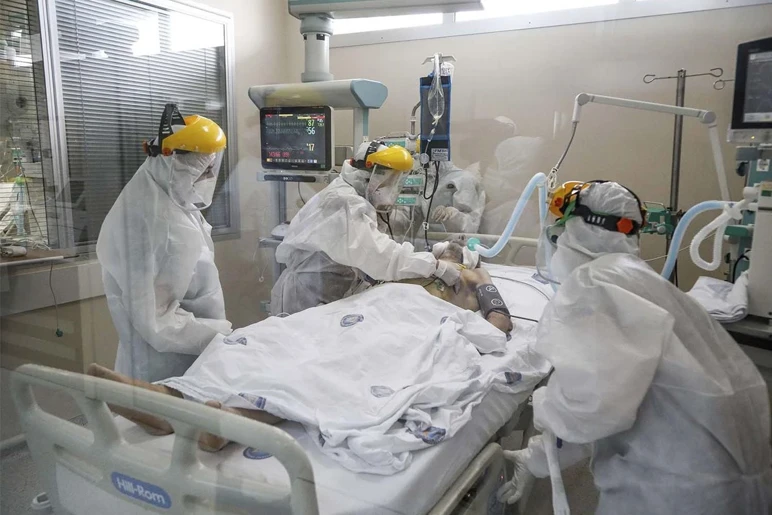
“Studies show that the risk of severe influenza is reduced by 50 percent in individuals over the age of 65 who receive the flu vaccine. In the 2026 season, influenza clusters, especially seen in nursing homes, are more common in centers where vaccination rates are low. According to January data, influenza transmission decreases by 25 percent in closed areas where mask use is common. On the other hand, We know that individuals who continue to go to work or school with flu-like symptoms transmit the virus to an average of 4 people in a week.“
(email protected)
