
THE BRAIN IS BEING DECODERED!
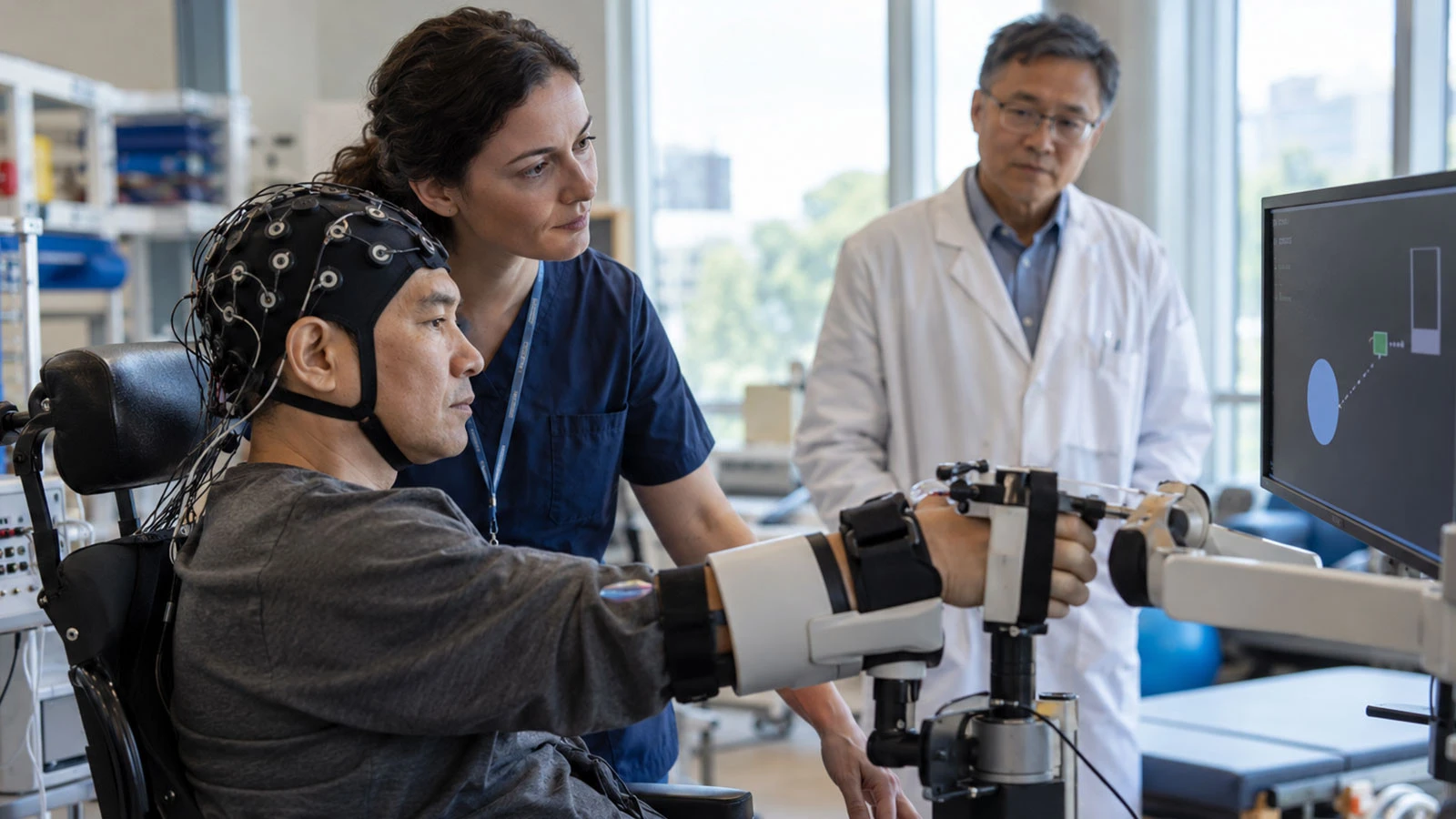
Studies carried out for years in the scientific world enable the analysis of electrical signals coming from the human brain through computers. Artificial intelligence-supported systems can make sense of brain activities associated with certain intellectual tasks. However, this technology is not yet at a level that can freely read all people’s thoughts. The UN’s warning focuses on the possibility of future misuse of the developing capacity.
WILL OUR THOUGHTS NO LONGER REMAIN HIDDEN?
The most striking danger brought to the agenda by the UN is the loss of individuals’ mental privacy. Brain data can provide information about a person’s attention, reactions and some mental processes. Unauthorized collection of this data may mean interference with people’s most private areas. Experts emphasize that freedom of thought includes not only the right to express ideas but also the right not to share them with anyone.
CAN IT QUESTION YOUR BRAIN?
The danger is not limited to science fiction scenarios. In India, the brain waves of suspects were examined in crime investigations using the method called BEOS. However, the reliability of the method has not been sufficiently verified scientifically and its results are not accepted as evidence in courts. The UN points out that similar practices may pose serious risks in terms of forced testimony, arbitrary detention and the right to a fair trial.
BRAIN DATA IS IN THE HANDS OF COMPANIES!
The risk is not limited to states only. Some devices developed for tracking focus, sleep and stress also collect data on brain activities. In the research conducted by the Neurorights Foundation in 2024, where it examined the privacy policies of 30 companies, it was determined that more than half of the companies explicitly allowed user data to be shared with third parties. According to experts, analyzing consumer behavior through mental data may turn into a new privacy problem in the future.
