
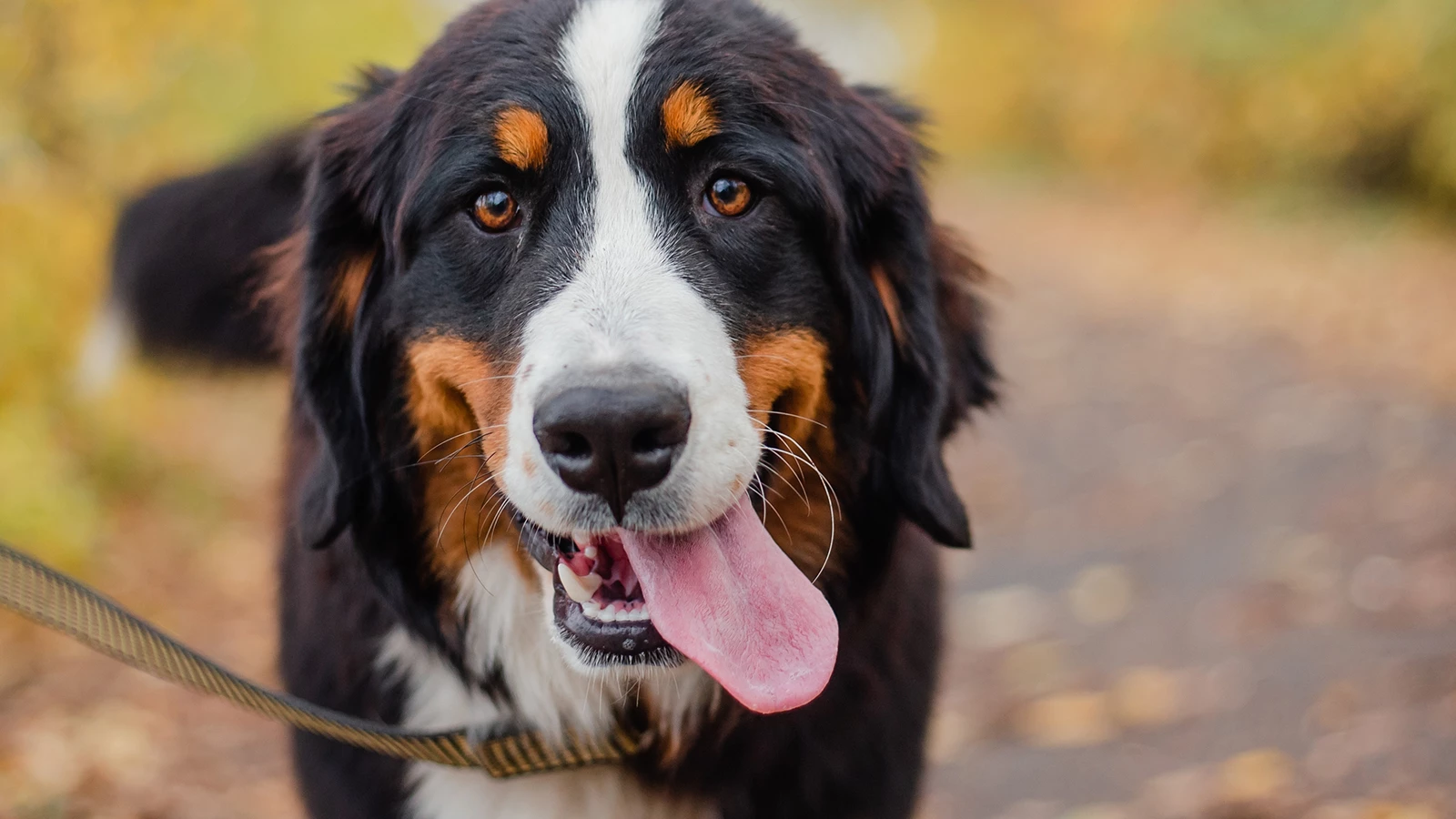
Two new studies published in Nature, one of the world’s respected science journals, radically change what we know about the history of humanity’s most loyal friend.
DNA analysis performed on microscopic bone fragments found in the Pınarbaşı settlement near Konya carried the history of domestic dogs 5,000 years further back than known, to the Upper Paleolithic period.
It has been confirmed that the puppy remains found in Pınarbaşı are 15 thousand 800 years old. This surpassed the previous record of 10,900 years set in Russia.
THEY FED ON FISH LIKE HUMANS
Bone analyzes show that these dogs shared the same menu as their hunter-gatherer owners. It was determined that the fry, especially in Pınarbaşı, were fed with freshwater fish like humans.
Paleolithic period people buried dead puppies with similar rituals in the same areas where they buried their own dead. This proves that dogs were not just “tools” at that time, but symbolic family members.
INTERCONTINENTAL SIMILARITY
One of the most surprising results of the research is that although there is a distance of 4,000 kilometers between Anatolia (Pınarbaşı) and England (Gough’s Cave), the dogs there are almost genetically identical. Scientists state that at the end of the Ice Age, the dog population spread very quickly across Eurasia and may have been exchanged as a “valuable commodity” between different human societies.
This discovery proves that the domestication process of dogs is much older and more complex than thought.
