
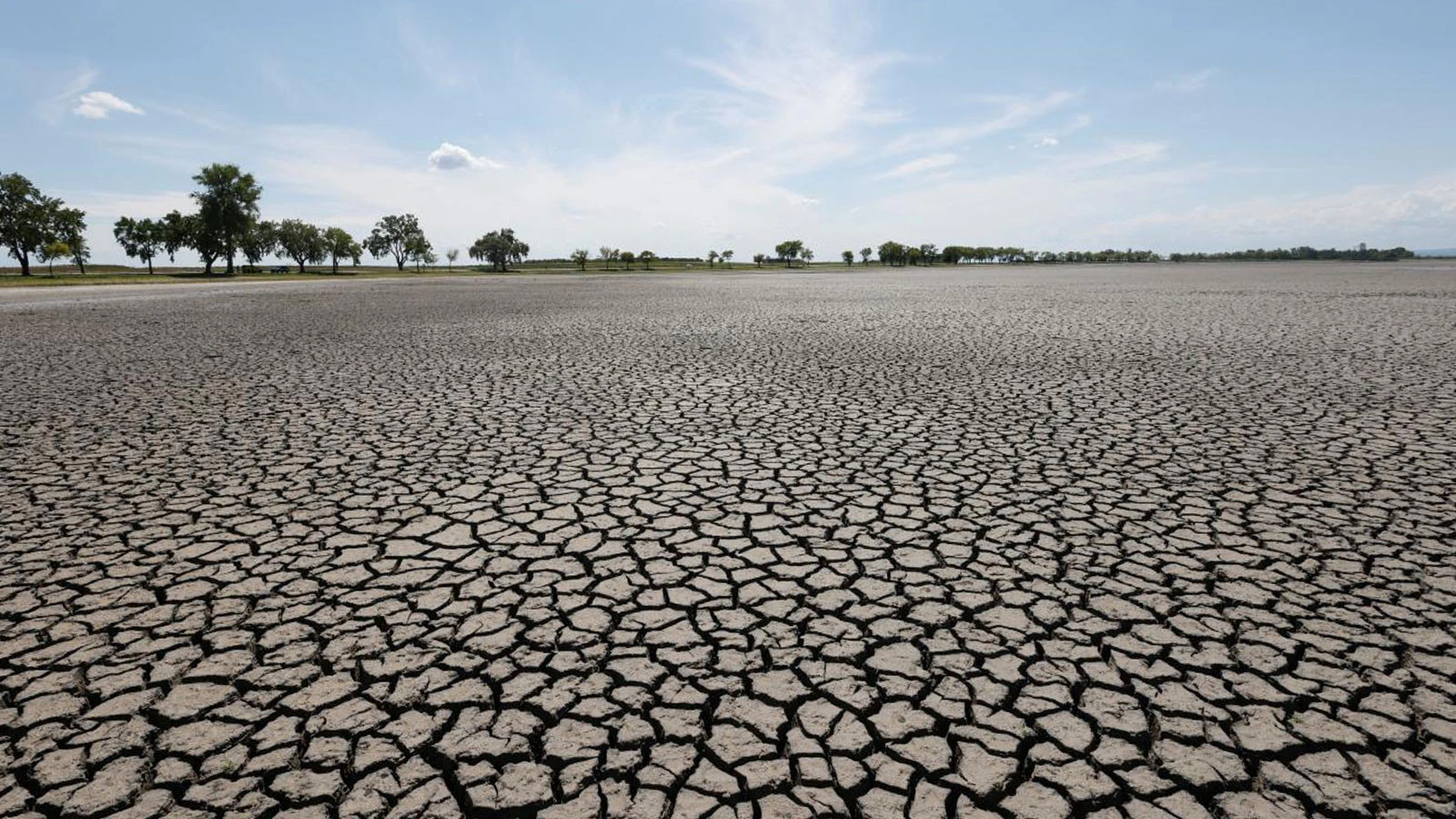
The world’s climate balance sheet is getting heavier. The 2026 Climate Status Report, prepared by scientists including William Ripple, Christopher Wolf, Michael Mann and Johan Rockström, was published in BioScience magazine. According to the research, greenhouse gases in the atmosphere, heat stored in the oceans and global temperature indicators are alarming. While 44 percent of the world’s 16 monitored climate indicators have reached record levels, the increase in fossil fuel consumption and carbon emissions is deepening the crisis. Experts point out that if current trends continue, the risk of exceeding critical climate thresholds will grow.
WARMING SPEED DOUBLED
One of the most striking findings in the report was the acceleration of global warming. The warming rate, which was approximately 0.19 degrees per decade between 1970 and 2010, increased to 0.36 degrees after 2010. Thus, the warming rate increased by approximately 90 percent. In May 2026, atmospheric carbon dioxide concentration exceeded 428 ppm, nearly 50 percent above pre-industrial levels. Researchers warn that if the current acceleration is permanent, the 2-degree global warming threshold may be exceeded before 2050.
WATER SHORTAGE IS COMING IN Türkiye
Although there is no specific evaluation for Türkiye in the global report, national data reveal the extent of the danger. According to the data shared by the State Hydraulic Works in 2026, the annual amount of usable water per capita in Türkiye is 1,301 cubic meters. This figure positions the country among countries experiencing water stress. In the long-term projections of the Ministry of Agriculture and Forestry, it is calculated that the amount of usable water per person may decrease to 1,200 cubic meters in 2030, 1,116 in 2040 and 1,069 cubic meters in 2050. The Ministry’s studies also state that water availability in some basins may decrease by up to 25 percent due to climate change.
THE TEMPERATURE REACHED 46.8 DEGREES
Türkiye’s temperature data also reveals the effects of the global climate crisis. According to 2026 data of the General Directorate of Meteorology The highest temperature in the summer months was measured in Cizre district of Şırnak with 46.8 degrees. The average summer temperature across the country reached 24.4 degrees, 0.4 degrees above seasonal norms. The July average was 25.3 degrees and the August average was 25.7 degrees.
10.8 MILLION HECTARS TURNED TO ASH
The global climate report published in 2026 also revealed the frightening extent of forest fires. According to the latest completed year data in the report, 10.8 million hectares of tree cover were lost due to fires worldwide. This area of approximately 108 thousand square kilometers corresponds to 14 percent of Türkiye’s surface area. Forest loss from fire has reached the third highest level on record.
INVOICE 365 BILLION DOLLARS
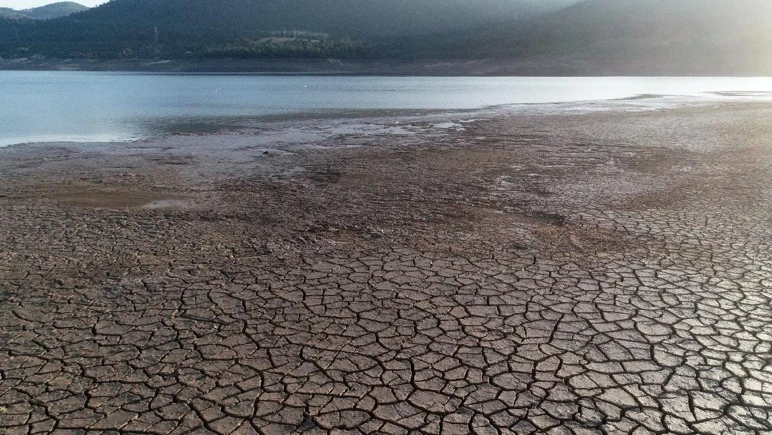
Another warning of scientists is about critical thresholds in the climate system. According to the report, Amazon forests may enter a process of irreversible change if the global temperature increase reaches 1.5-1.9 degrees and deforestation continues. The weakening of the major current system in the Atlantic Ocean may change rainfall patterns in Europe and its surroundings. Evaluating the 2026 Climate Status Report, Boğaziçi University Faculty Member Prof. Dr. Levent Kurnaz brought the following warnings to the agenda: “Turkey is located in the Mediterranean basin, which is warming faster than the world average. Temperatures may increase further due to the El Nino effect in the coming period, and this may increase the risks of drought and forest fires. We should prioritize drip irrigation and water efficiency in agriculture, strengthen early warning systems against forest fires. We must make our cities resistant to extreme heat and expand the use of solar and wind energy.”
