
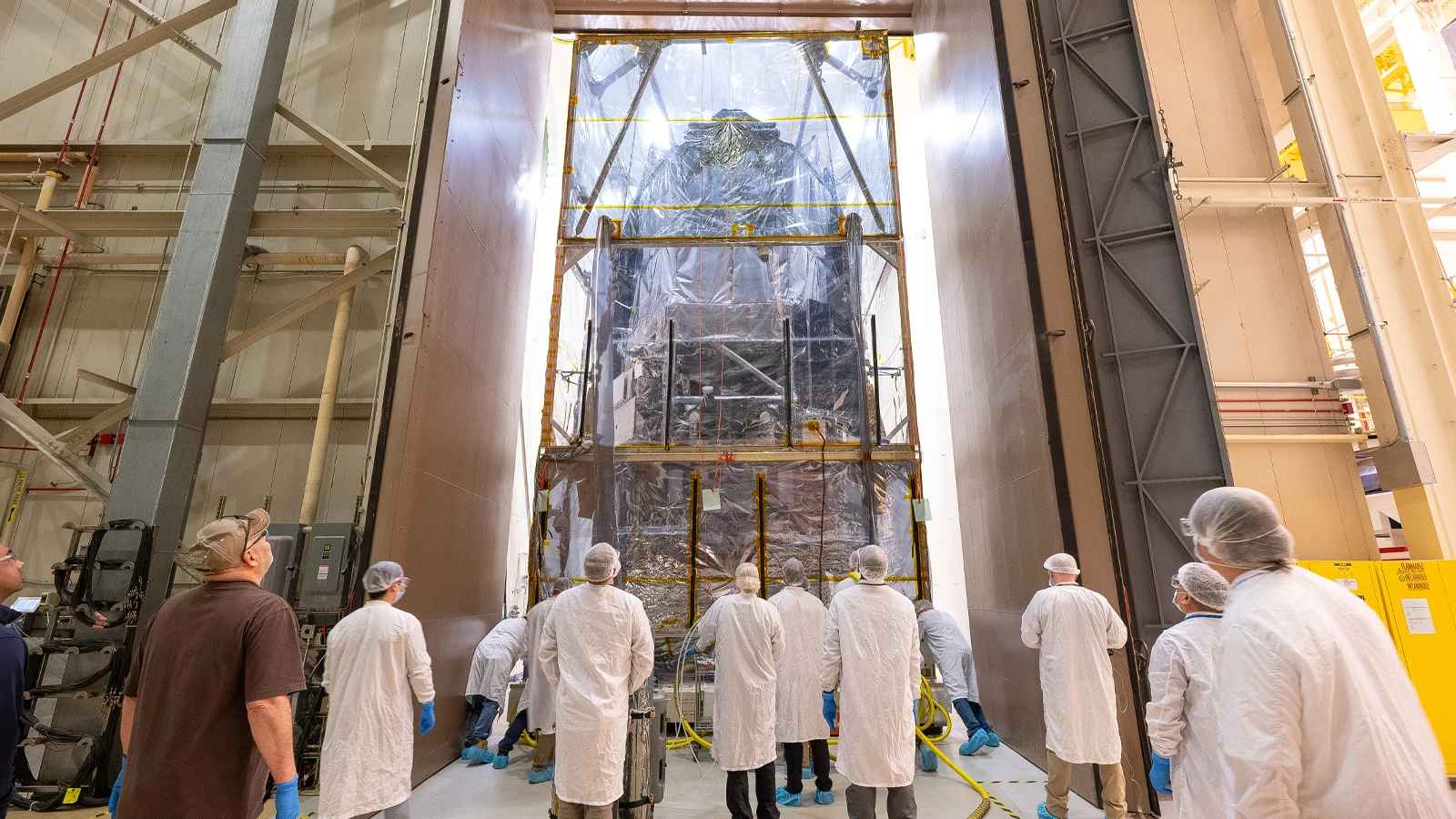
A new era begins in space exploration. The Nancy Grace Roman Space Telescope, developed by NASA, will settle into L2 orbit, approximately 1.6 million kilometers away from Earth, and will make one of the most comprehensive cosmic observations ever made.
The giant, bus-sized telescope will capture panoramic images of hundreds of millions of stars and billions of galaxies, creating one of the most detailed maps of the universe ever.
IT WILL WORK 1000 TIMES FAST THAN HUBBLE
The Roman Telescope, which has similar dimensions to the Hubble Space Telescope, which has become the symbol of space research since 1990, will be able to scan the sky 1000 times faster.
According to NASA scientist Julie McEnery, just one month of Roman’s observation will produce data equivalent to nearly 100 years of Hubble’s work.
More than half a million 4K television screens are required to display a single image at full resolution.
THE MYSTERY OF DARK MATTER AND DARK ENERGY CAN BE SOLVED
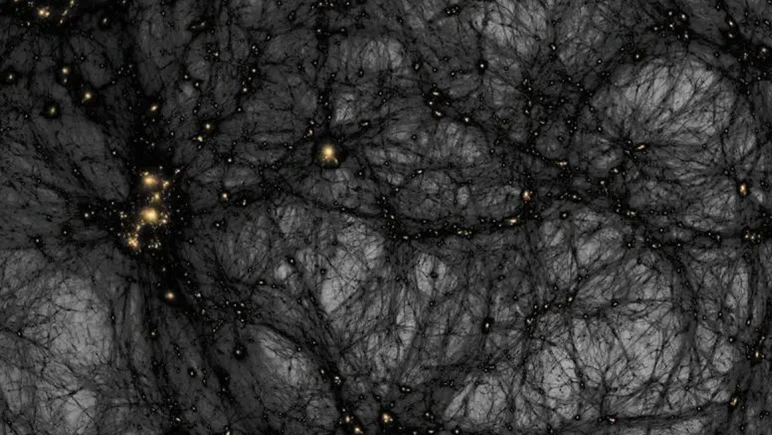
One of Roman’s most critical tasks will be to examine dark matter and dark energy, one of the greatest mysteries of the scientific world.
As a result of large surveys that will take about two years, the telescope will measure how fast the universe is expanding and provide revolutionary data about cosmic history.
Thanks to this mission, scientists aim to get one step closer to understanding the future of the universe.
THOUSANDS OF NEW PLANETS CAN BE DISCOVERED
The novel will explore not only galaxies, but also unknown worlds beyond the Solar System.
NASA thinks that the telescope will be able to discover thousands of new exoplanets and detect hitherto overlooked star systems throughout its mission.
IT WILL WORK TOGETHER WITH WEBB AND HUBBLE
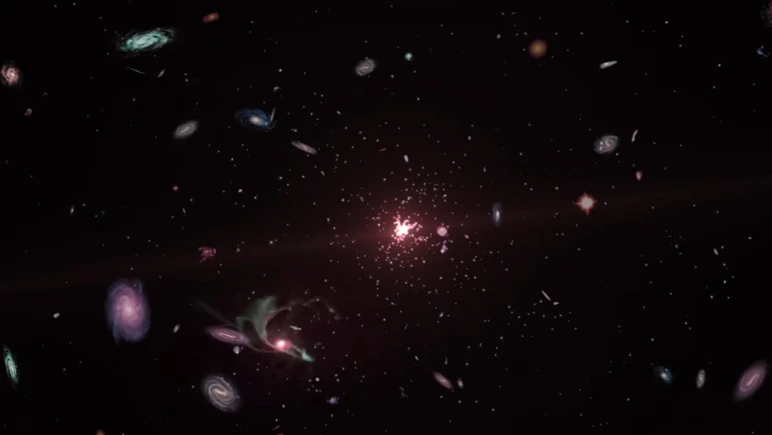
The Roman Telescope will operate at the same L2 point as the James Webb Space Telescope, launched in 2021.
According to NASA, the remarkable celestial objects discovered by Roman will later be examined in detail by the Hubble and Webb telescopes.
This trio will form humanity’s most powerful observation fleet in space.
IT WILL BE LAUNCHED WITH SPACEX ROCKET ON AUGUST 30
The telescope, named after NASA’s first astronomy chief and Nancy Grace Roman, known as the “mother of Hubble”, will be sent to the Kennedy Space Center in Florida at the end of the month.
The mission will launch on August 30 aboard SpaceX’s Falcon Heavy rocket.
