
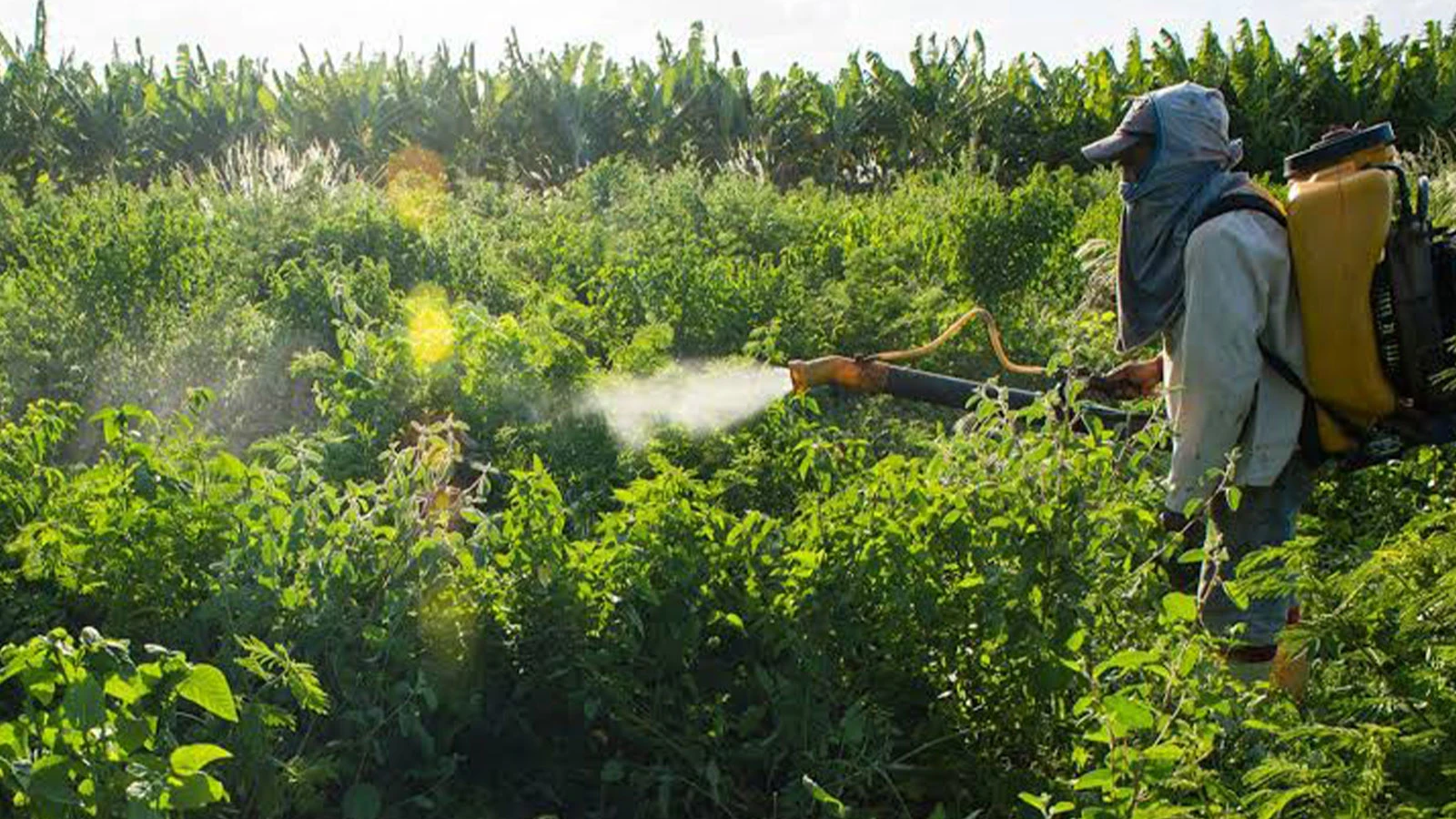
As of July 1, a new page has been opened for the long-discussed control gap in the use of pesticides in Türkiye. The Ministry of Agriculture and Forestry implemented the B-Prescription system for plant protection products simultaneously in 81 provinces. The system aims to electronically record not only which drug is sold, but also who prescribed it, who bought it, on which product, on which parcel, in how much area and at what dose. According to the Ministry’s statement, with the B-Prescription system, only registered producers engaged in herbal production will now be able to access plant protection products. The sale will be associated with the producer’s agricultural area and product registered in the Ministry’s systems. In other words, the producer will be able to purchase pesticides in the amount approved by the Ministry for that product, depending on the area he produces.
IT WILL BE WATCHABLE
The aim of the change is to make the plant protection product with B-Prescription traceable from production to sale, from sale to application, from application to harvest. In its previous statement, the Ministry stated that the application of plant protection products will only be done by manufacturers, professional applicators or assistant applicators who have an application certificate authorized by the Ministry; He stated that the application information will also be entered into the electronic system. In this aspect The system aims not only to reduce pesticide use, but also to make responsibility in pesticide use visible.
105 PESTICIDE NOTIFICATION
According to experts, the reason why Türkiye took this step is not only health concerns in the domestic market. In recent years, agricultural products originating from Turkey have frequently come to the fore in the RASFF records of the European Union’s Rapid Alert System for Food and Feed, on grounds such as pesticide residues, aflatoxin, ochratoxin A, salmonella and pyrrolizidine alkaloids. As a matter of fact, 2025 data revealed a warning picture for Türkiye. According to Greenpeace Türkiye’s compilation of RASFF data, Türkiye became the second country that received the most notifications due to pesticides among the countries exporting food to Europe in 2025. While India ranked first with 124 notifications, Türkiye ranked second with 105 notifications. Türkiye was followed by Egypt with 88 notifications, China with 48 notifications and Brazil with 34 notifications. 51 of the 105 pesticide notifications Türkiye received resulted in rejection at the border. Pepper was one of the leading products returning from the border; 27 of the 51 border rejections were caused by peppers. Pepper was followed by tomato with 9 notifications and pomegranate with 5 notifications. Lemon, vine leaves, pear, grapefruit, tangerine and peach were among the products returned from the border.
THE TABLE HAS NOT CHANGED FOR 2 YEARS
A similar picture occurred in 2024. That year, India ranked first with 167 notifications, while Türkiye came second with 139 notifications. 98 of the notifications Türkiye received were classified as “serious risk”, and 79 of the serious risk notifications were sent back across the border. The top products returned from the border in 2024 were pepper 29 times and lemon 23 times. The debate on RASFF registrations continued in the first half of 2026. So far in 2026, 254 notifications regarding products originating from Türkiye have been entered into the system; 197 of these were in the fruit and vegetable category. A total of 188 notifications resulted in border rejection and 183 notifications were classified as “serious risk”.
GREENPEACE CAMPAIGN
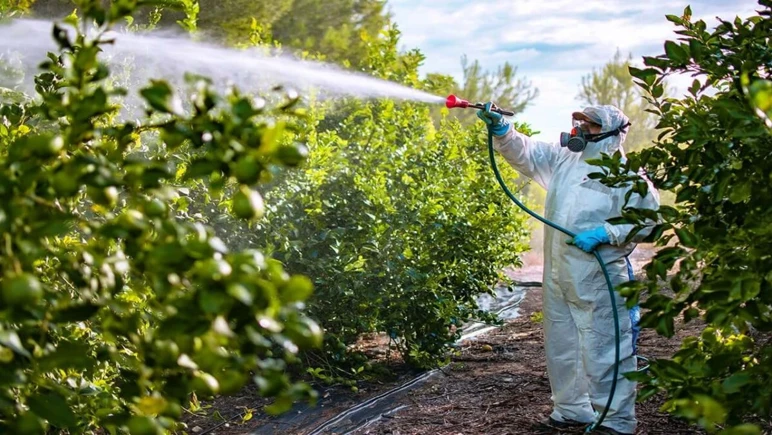
On the health side of the pesticide issue, risk perception is stuck between two extremes. In the European Union, a maximum residue limit, or MRL, is determined for each pesticide and product combination. According to the European Commission, MRL means the highest legally tolerated residue level on food or feed when the pesticide is used in accordance with good agricultural practices. The point that escalates the debate in Türkiye is that the results of the analysis in the domestic market are not disclosed to the public regularly and in detail. In its campaign for the Ministry to share pesticide analysis results, Greenpeace Türkiye demanded that the Residue Action Plan and inspection results for the period 2022-2025 be made public. Greenpeace published in 2025 In the “Pesticides and Children” report, it was announced that more than one pesticide residue was detected in 61 percent of 155 food samples taken from markets and neighborhood markets in Istanbul, and at least one PFAS pesticide residue was detected in 43 percent.
(email protected)
