

The news published by the British newspaper The Guardian, based on the evaluations of economic circles, indicates that the world may face not only heat waves in the next two years, but also the economic consequences of this that will be reflected in the global food markets. Recent analyzes by international financial institutions, meteorologists and climate researchers also contain similar warnings. According to scientists, El Niño, which develops when sea surface temperatures in the Pacific Ocean rise to extraordinary levels, can radically change the precipitation and temperature patterns around the world.
WHEAT, RICE, CORN
The latest forecasts of the US National Oceanic and Atmospheric Administration (NOAA) indicate that the event that may occur in the 2026-2027 period may be one of the strongest El Niño events of recent years. For this reason, some researchers unofficially refer to the process as “Super El Niño” or “Godzilla El Niño.”. Experts state that such a strong climate event will increase the risk of floods in South America and drought in Southern Africa and some parts of Asia. This situation can lead to serious fluctuations in the production of wheat, rice, corn, sugar cane, coffee and cocoa.
PRICES ARE UNDER PRESSURE
The most important point that economists draw attention to is that the impact will not be limited to harvest periods only. Since agricultural production cycles occur at different times, the effects of climate shock are expected to be reflected gradually in the global food chain. For this reason, it is evaluated that price pressure may be felt until the second half of 2028.. While Goldman Sachs’ analyzes express the possibility of a double-digit increase in global agricultural commodity prices, Unicredit’s scenarios predict that extreme weather events could lead to economic losses of hundreds of billions of dollars in world agricultural production. It is stated that price increases may be much sharper, especially in products such as rice, coffee, sugar and palm oil.
WAR AND CLIMATE
Analysts emphasize that climate-related risks should not be evaluated alone. Due to recent geopolitical tensions in the Middle East Increases in energy, fertilizer and logistics costs are already putting pressure on food markets. It is stated. It is stated that a strong El Niño could add a second shock to this current pressure. It is evaluated that even small-scale disruptions in the production of agricultural products may cause larger jumps in prices than expected due to the inelastic demand for basic foodstuffs.
THE RISK IS IN POOR COUNTRIES
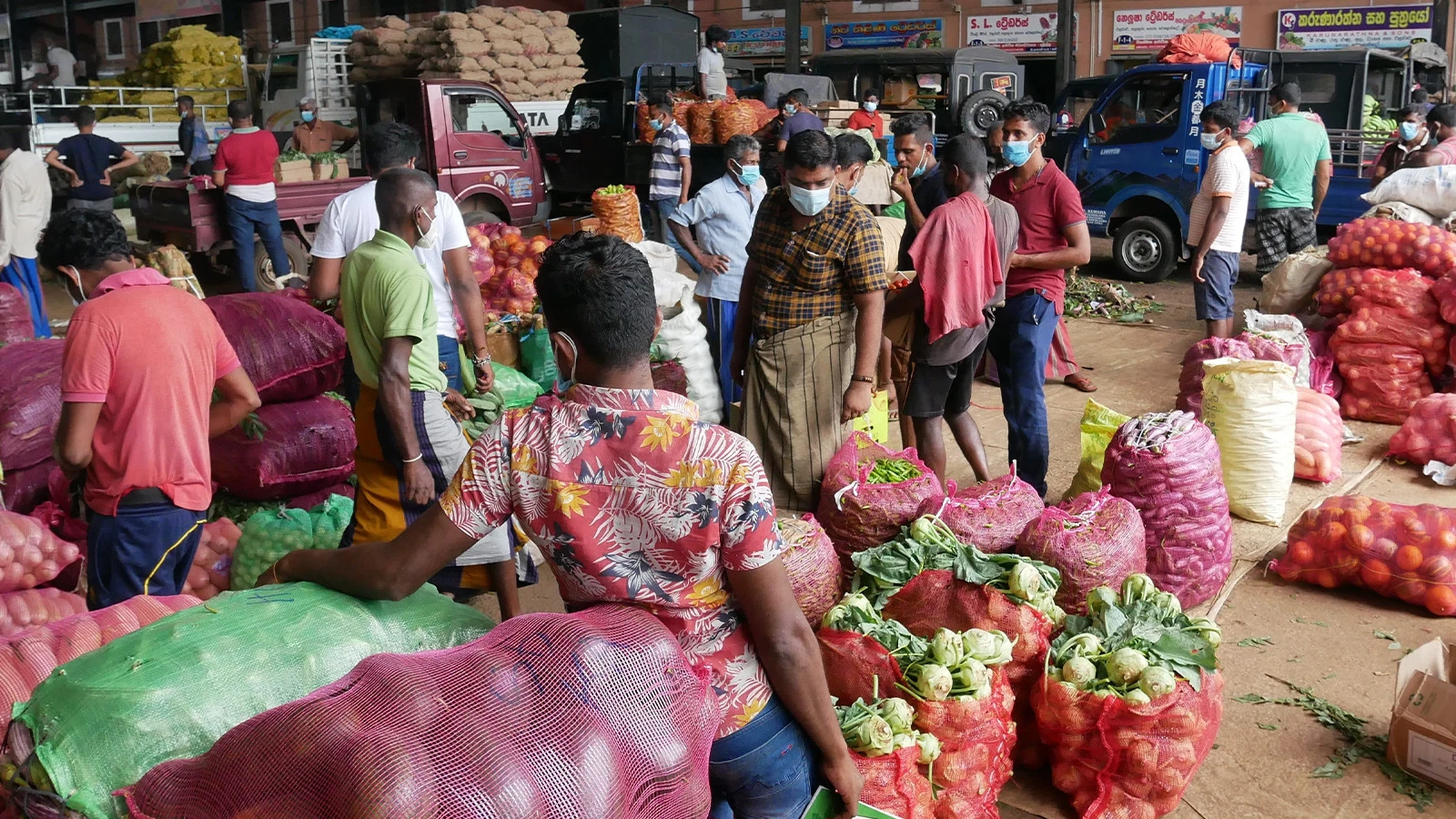
According to climate experts, developing countries will be more affected by this process. Food security risks are expected to grow in some parts of Africa and Asia due to problems in accessing fertilizer, foreign-dependent food systems and limited economic resources. It is stated that especially irregularities in monsoon rains may affect rice and sugar production in India, and palm oil production in Southeast Asia may remain under pressure.. Experts also point out that El Niño could increase costs by affecting not only agriculture but also river transportation, port activities and global supply chains.
ANXIETY IS INCREASING
Strong El Niño events experienced around the world in the periods of 1982-83, 1997-98, 2015-16 and 2023-24 drought, floods, heat waves and agricultural production losses had caused it. The World Meteorological Organization and numerous climate studies share the view that the economic consequences of strong El Niño events that will occur in the future due to the effect of global warming may be more severe.
(email protected)
