
Rulers under pressure
The choice of direction will determine the future of Serbia
Updated 10/25/2026 – 5:01 amReading time: 3 minutes

The country’s citizens have the choice between the autocrat Vucic and the list of the democratic student movement. The outcome is uncertain. What is at stake for Europe.
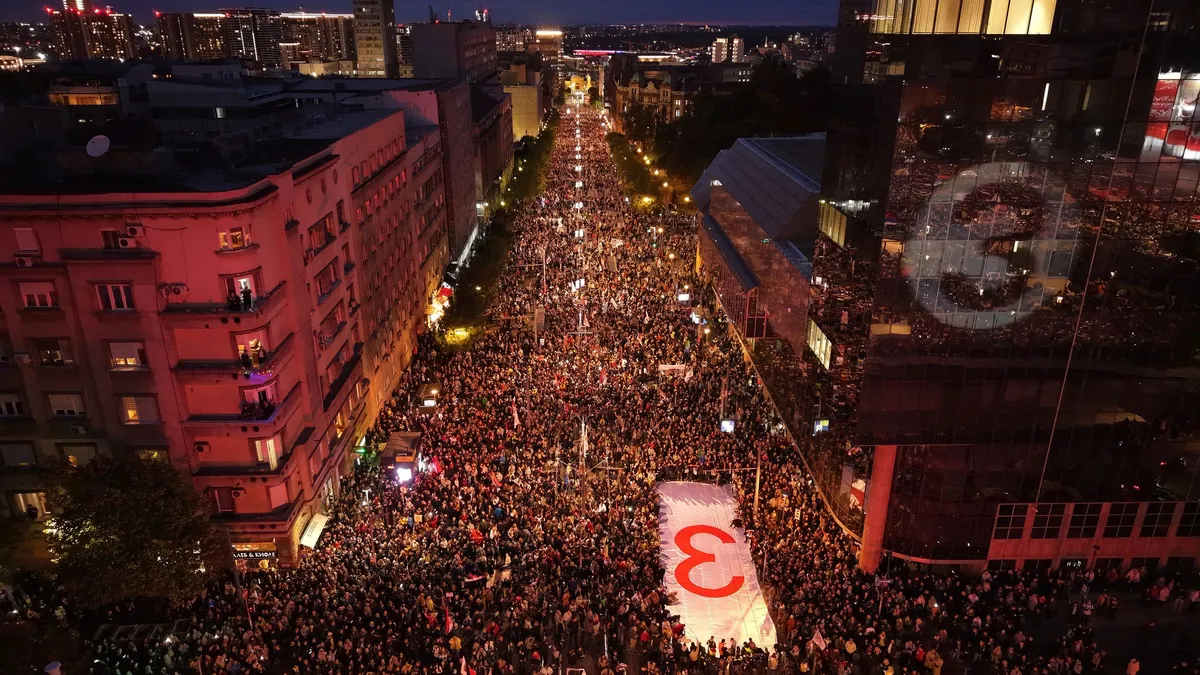
Around 6.5 million Serbs are called on Sunday to elect a new parliament. In the early election, they not only decide on the distribution of the 250 mandates, but also on which path the Balkan country should take: towards a democratic future with the prospect of membership in the European Union (EU) – or towards autocracy based on the Russian model, which Aleksandar Vucic, the country’s strong man, seems to be emulating.
Challengers from the middle of society
As the leading candidate of the ruling Serbian Progressive Party (SNS), Vucic has been shaping the country’s politics in varying roles since 2012. Critics accuse him of corruption, dismantling of democracy and ties to organized crime. He resigned from his position as president at the end of September in order to become head of government if his party won the election. He is challenged by the list of the new student movement. According to some polls, she has a certain chance of winning the election.
The movement arose from the protests following the collapse of the train station canopy in the northern Serbian city of Novi Sad in November 2024. 16 people were killed. Critics attributed the disaster to the corruption and sloppiness of the Vucic government.
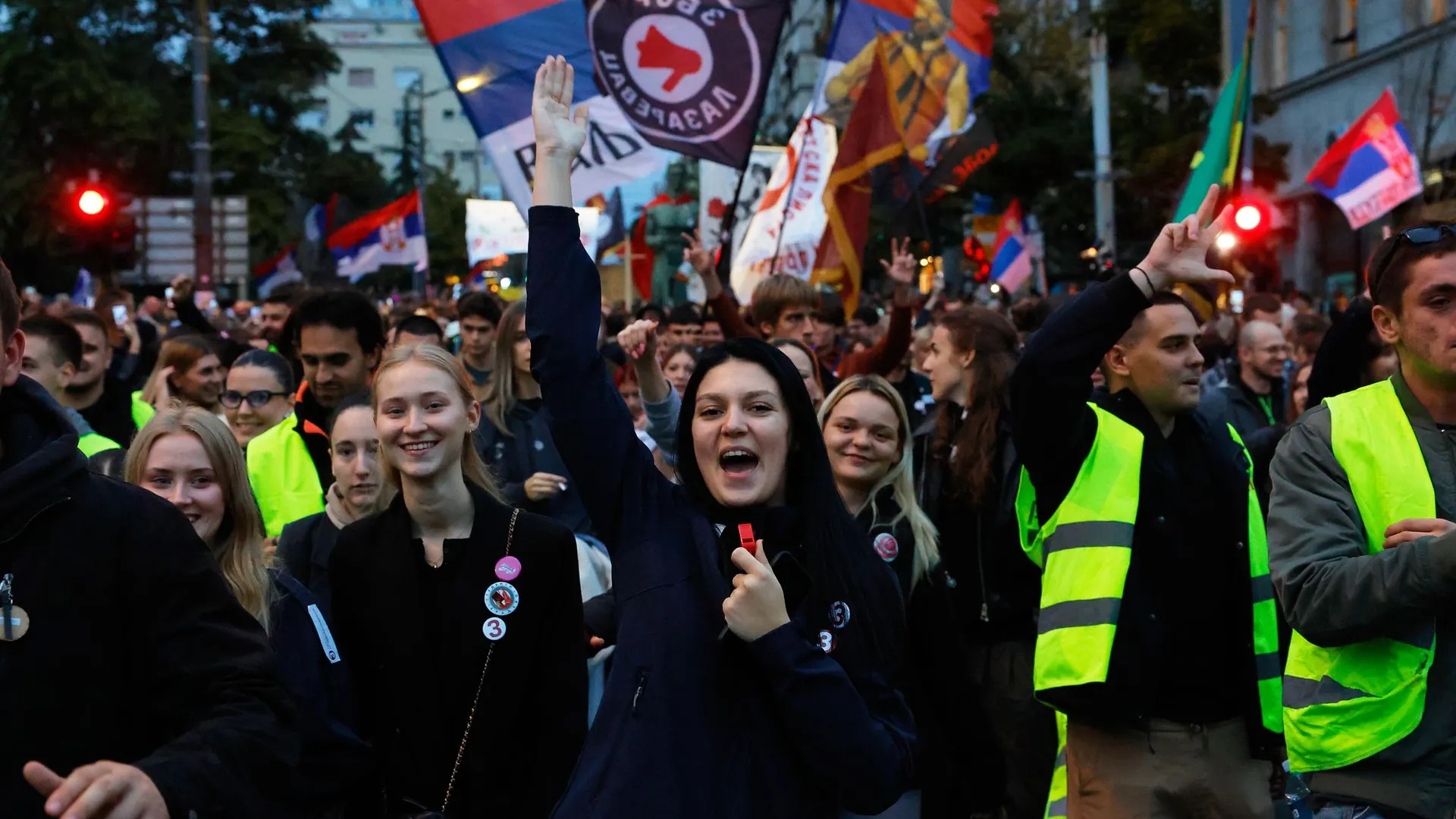
In addition to university occupations and road blockades, the students drew attention to themselves with organized foot marches across the country. With this they reached the last remote villages. They came together with people who had previously been uninterested, apathetic or who voted for the government party out of habit – and convinced quite a few of them of the need for change.
“They appeal to citizens of all social classes,” says Florian Bieber, head of the Southeast Europe Center at the University of Graz. This is “unique” for an opposition movement Serbia.
The student list contains almost no students. She has set up a movement that has no leadership committees and makes its decisions in grassroots democratic assemblies. The list consists primarily of university teachers, doctors and artists. It is led by the respected cardiologist Ilija Srdanovic from Novi Sad. The brief eleven-point program has the motto “Serbia or the Mafia” and promises the restoration of the rule of law and democracy as well as the prosecution of corruption and crime among those in power today.
The interest of Europe
The student list’s program does not address Serbia’s future relationship with the EU. European flags were rarely seen during the student protests. Years of negative propaganda from the Vucic media and their glorification of Russia and China have led to the fact that today there is no majority of Serbs in favor of EU membership.
Accession negotiations have been ongoing since 2014, but have stagnated in recent years. Democratic regression is one of the reasons for this. “A victory for the student list would, however, create the conditions for serious discussions about the EU in the country,” says Southeast Europe researcher Bieber.
