
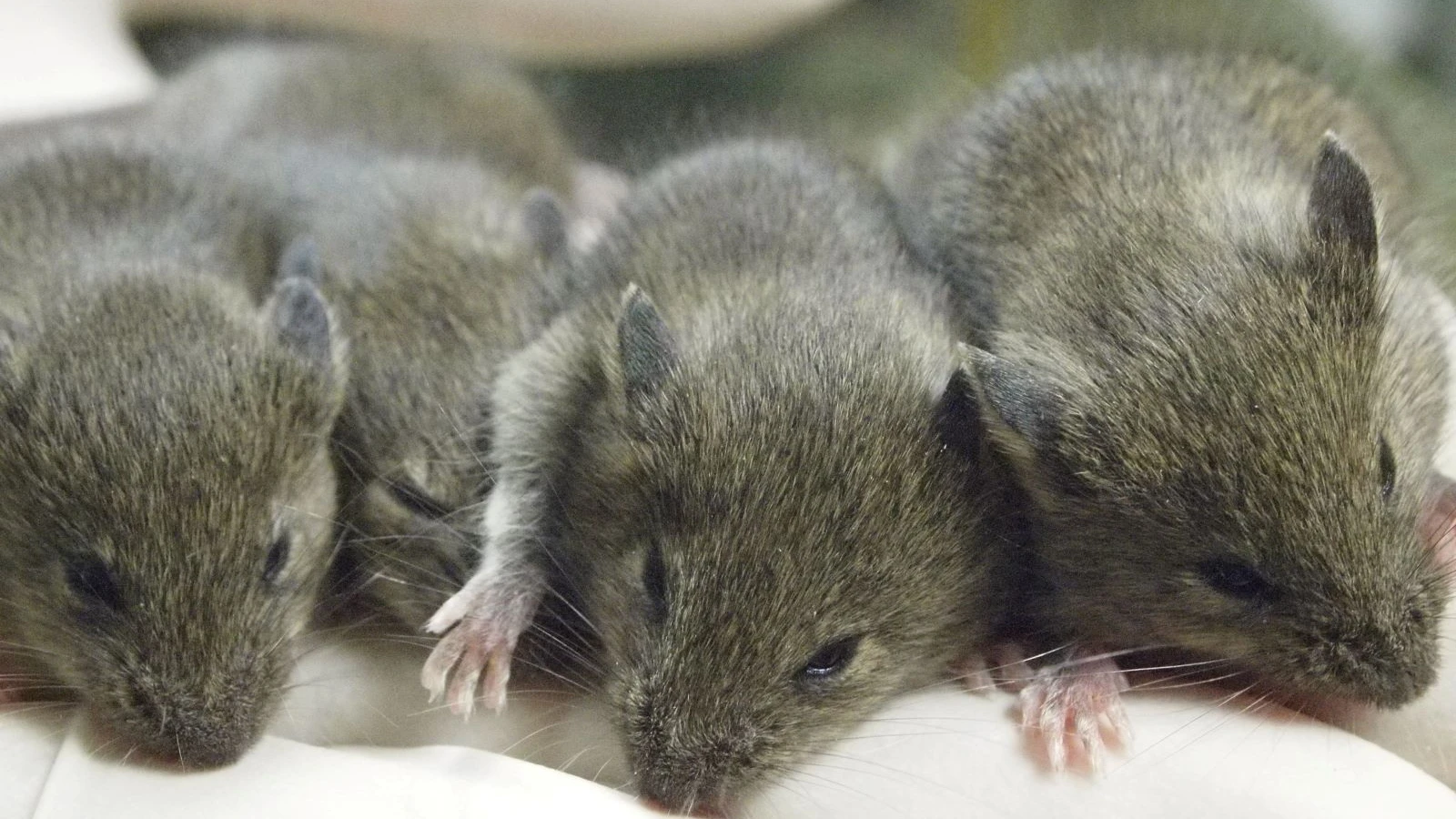
Just a year after Dolly’s birth, the second mammal cloned from adult cells was born: a female mouse named Cumulina. This mouse, which lives about 90 years compared to human age, is today exhibited at the National Museum of American History.
Although this development did not make as much noise as Dolly, the creators of Cumulina improved the cloning method and managed to produce two generations of clone mice in 1997. But Wakayama, the embryologist behind this process, didn’t stop there. The researcher continued to clone mice sequentially for 20 years, identifying the biological limits of the process. The results obtained after a total of 1,200 mice and 58 generations were published in the journal Nature Communications.
“The biological limit of cloning has been reached”
This summer marks the 30th anniversary of Dolly’s birth. With Dolly, it was proven that mammals could be cloned in the laboratory. However, despite the passage of 30 years, science has not been able to provide a clear answer to the question of whether mammals can continue their generation through cloning.
Teruhiko Wakayama, working at Yamanashi University, cloned mice for 20 years and examined their behavior and genetic changes to find an answer to this question. Ultimately, he found, after a certain point, cloning became biologically unsustainable.
CSIC researcher Lluis Montoliu from the Spanish National Biotechnology Center evaluated the study as follows:
“This is a unique and almost heroic research. Wakayama is probably the best scientist in the world to clone mammals. He managed to reach 58 generations. However, at this point, mice are born but die soon after. In other words, the biological limit of cloning has been reached.”
