
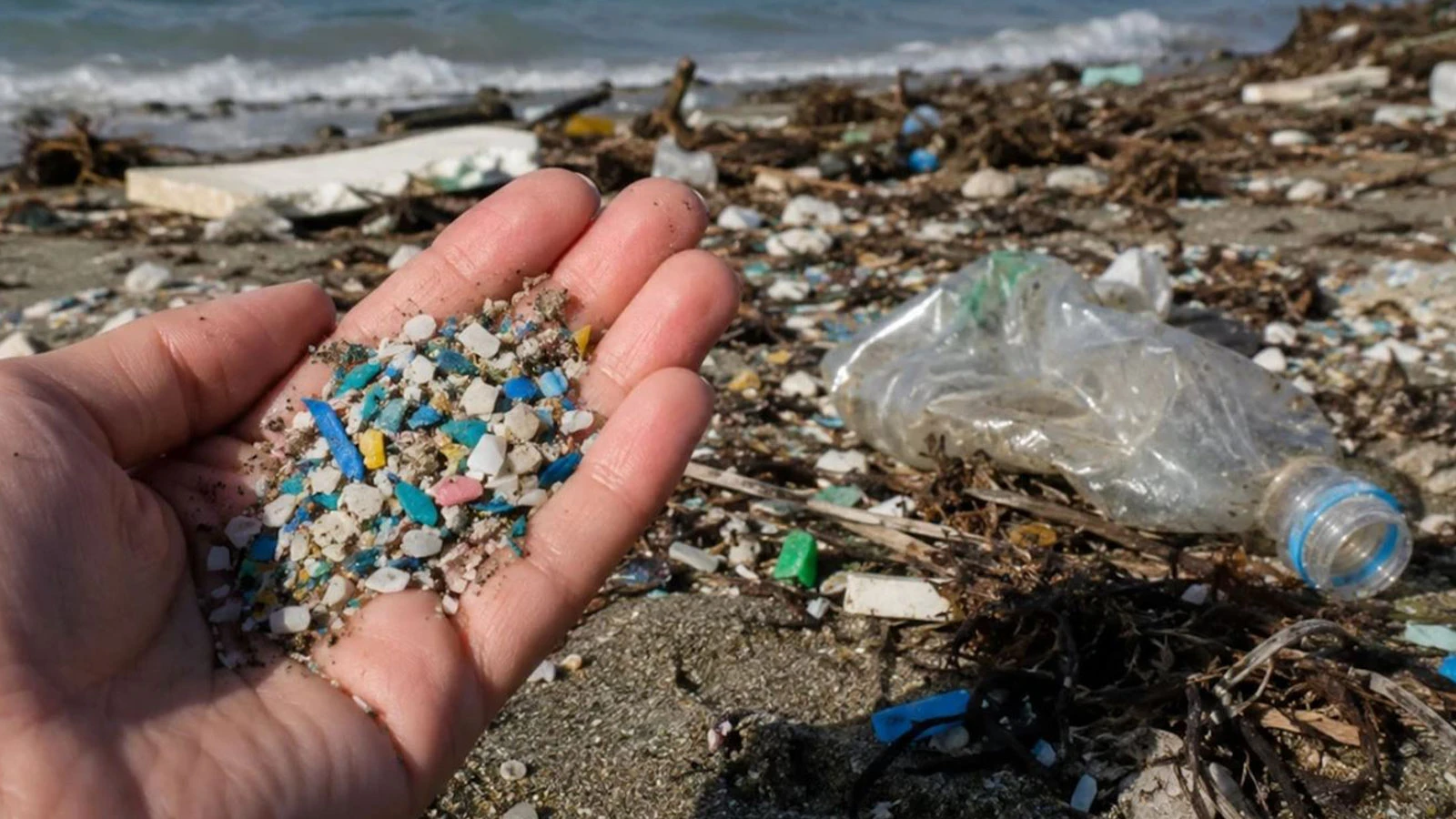
Foaming, oily surface layers and plastic waste observed on the Mediterranean coast for several years shed light on the ecological destruction experienced. Finally, the microplastic density in samples taken from the coast of Alanya reached 60-65 times the Mediterranean average at some points, revealing the extent of the danger. While the evidence that pollution is being transported to the Mediterranean from different sources increases, attention is also turned to the facilities that release their waste into the environment in violation of the legislation. The inspections revealed that the problem is not limited to pollution only in the sea, but that the practices of some facilities and businesses on land also increase environmental pressure.
142 FACILITIES WERE INSPECTED
While the Ministry of Environment, Urbanization and Climate Change teams are increasing their inspections in the field, serious sanctions continue to be imposed on businesses that ignore the rules. In the inspections carried out by the Ministry in Adana, Antalya, Hatay, Mersin and Muğla as of July 1, administrative fines totaling 47 million 599 thousand TL were imposed on 23 facilities. 142 facilities that were considered to be highly polluting were also included in the inspection program. During the controls at the Seyhan Wastewater Treatment Plant in Adana, it was determined that some of the wastewater was discharged without treatment.
THE NEWS WAS BROUGHT TO THE GLOBAL AGENDA
On the other hand, the ecological destruction that caused public reactions was published by Haber Global Web Özel on July 4, 2024, “Pollution concern, Why are the seas foaming?” It was brought to the agenda in the news titled. In the news, attention was drawn to the foaming that has been seen around Lara, Konyaaltı and the cliffs in Antalya for two years, It was stated that the organic load reaching the sea increased with the increase in population and tourism mobility, especially in the summer months.
BOAT WASTE SHOULD BE CONTROLLED
Turkish Nature Conservation Association Scientific Advisor Dr. Erol Kesici, At that time, he underlined that the foaming was linked to organic pollution and said that the amount of organic matter in the Mediterranean was gradually increasing. Water Policy Association President Dursun Yıldız also pointed out that human activities and domestic and industrial waste on the coasts disrupt the balance of the marine ecosystem. Prof. Dr. Mustafa Sarı, on the other hand, emphasized that cleaning materials should not be released into the sea without being purified, as well as the waste on boats should be taken under control.
FROM FOAMING TO PLASTIC POLLUTION
New findings emerging after two years have shown that the foaming debate may be part of a much broader pollution picture. Çukurova University Faculty of Fisheries Faculty Member and Istanbul Policy Center researcher Prof. Dr. According to the data announced by Sedat Gündoğdu, some of the samples taken from four different points on the coast of Alanya recently microplastic density increased up to 60-65 times the Mediterranean average. It was claimed that 60 percent to 93 percent of the plastics identified at some stations were related to shredded plastics in recycling facilities.
A WARNING WAS CAME IN 2024
So far, warnings that pollution in the Mediterranean may grow have not only been made about microplastics. In Haber Global’s 2024 research, Prof. Dr. Meriç Albay also stated that the increase in organic load on the Antalya coast poses a risk for the Mediterranean. It was also emphasized that population growth, especially in tourism centers, intense use of sunscreen, ship and boat traffic and different pollutants reaching the sea increased the stratification on the water surface. In the Haber Global research titled “Boats spread pollution, threat of waste in the seas” published in the same year, attention was drawn to the environmental pressure created by heavy boat traffic on the Aegean and Mediterranean coasts and the necessary It was warned that if precautions are not taken, the Aegean and Mediterranean regions may face risks similar to the environmental problems in the Marmara Sea. In the summer of 2025, the picture came to the fore again. In Haber Global’s news titled “It’s not bubbles, it’s dirt! The coasts are dying”, the oily and foamy surface layers seen again on the Mediterranean and Aegean coasts were put under the spotlight.
POLLUTION DOES NOT START IN THE SEA
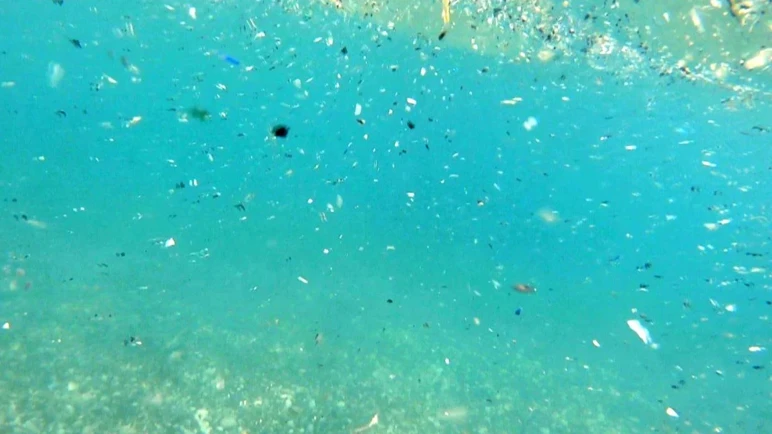
New research shows that plastic pollution in the Mediterranean is not an environmental problem that only occurs on beaches. Prof. Dr. According to Sedat Gündoğdu, wastewater from plastic recycling facilities around Adana is one of the important risk topics. Commenting on the pollution images that have emerged recently, Prof., one of the former Undersecretaries of the Ministry of Environment and Urbanization. Dr. Mustafa Öztürk stated that he was worried about the pollution reaching dangerous levels and said, “The plastic pieces, foaming and oily layers seen on the Mediterranean coast today are actually the last link of a several-year environmental process. There is a separate risk at every point of the chain extending from the Seyhan River to drainage channels, from recycling facilities to irrigation water, from agricultural soil to the Mediterranean.”
(email protected)
