
NATO maneuvers
Baltic Sea island should become a bulwark against Putin
Updated June 1, 2026 – 4:54 p.mReading time: 3 minutes

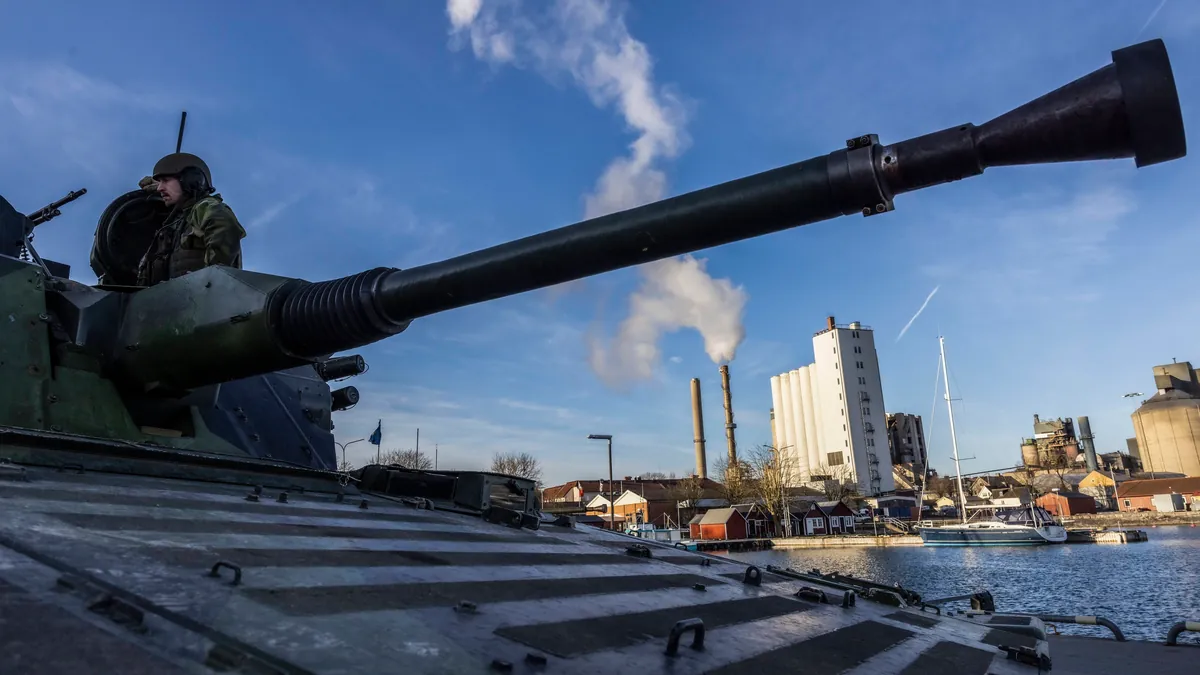
NATO is arming itself in the middle of the Baltic Sea. The island of Gotland is intended to deter Russia and, in an emergency, could decide the possible outcome of the war.
The island of Gotland seems idyllic at first glance. Medieval streets and long, flat stretches of coast characterize the landscape of the island. But from NATO’s perspective, Gotland has become a strategic hotspot in the Baltic Sea – also because the island is only 300 kilometers from the heavily militarized Russian exclave of Kaliningrad. That’s why Sweden, to which Gotland belongs, has been developing the island for years with the help of NATO allies into a military bastion that should be able to withstand a possible Russian attack.
Its strategic location in the Baltic Sea makes Gotland indispensable in the event of a war in Europe: whoever controls the island can keep large parts of the Baltic Sea at bay with missile and air defense systems.
- Scenario for NATO eastern flank: In a few days the Bundeswehr would be overrun
- US troop withdrawal from Europe: Hegseth announces “important decisions”.
A large-scale NATO maneuver last week showed how seriously NATO views the situation. Around 18,000 soldiers from 13 countries trained together on Gotland to defend themselves against a possible attack. It was the first NATO exercise of this size on the island since Sweden joined the military alliance in 2024.
Sweden expands Gotland into a fortress
In an interview with Politico magazine, Swedish military expert Niklas Granholm explains Gotland as a strategic pivotal point in the defense of the Baltic Sea. Fighter aircraft could reach any capital in the Baltics from Gotland within minutes. At the same time, important sea routes could be monitored through which NATO states could bring reinforcements and supplies to the region in the event of a crisis.
From the alliance’s perspective, this results in a clear scenario: If Russia takes control of the island and stations air defense systems there, NATO would have a much harder time supporting its Baltic members by air and sea in the event of an attack by Russia. If NATO holds Gotland, it can significantly restrict the Russian Navy’s freedom of movement in the Baltic Sea.
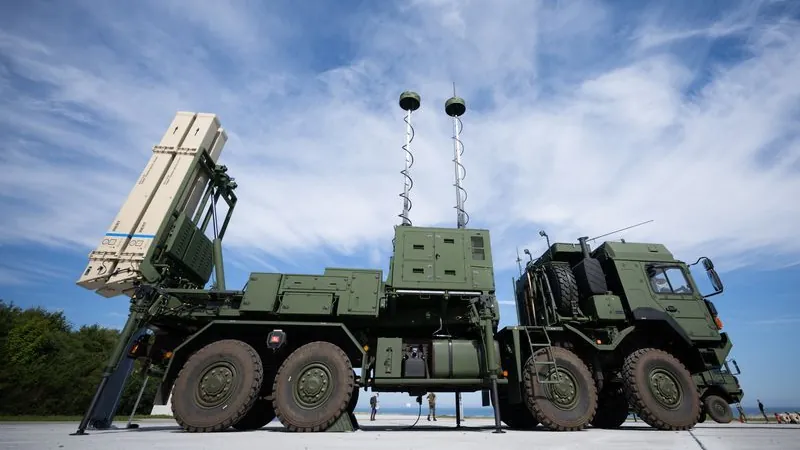
That’s why Sweden is expanding the island into a fortress. After the end of the Cold War, the military presence on Gotland was greatly reduced. However, since the start of the Russian invasion of Ukraine, the Swedish government has reversed this step. More than 200 million euros have already been invested in new infrastructure, reports Politico. The army reactivated anti-aircraft positions and established a tank regiment on Gotland.
