
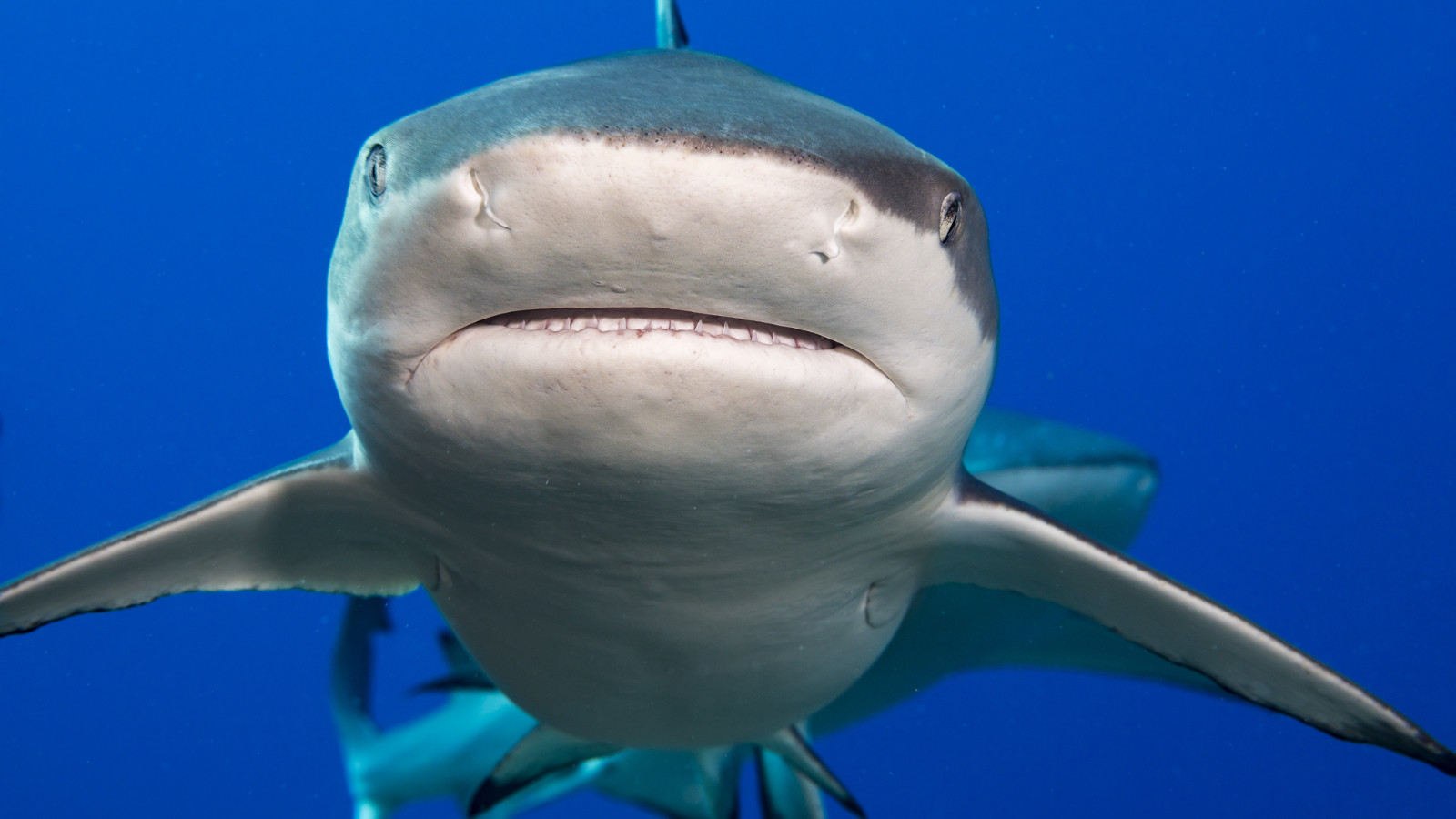
It is thought that a shark that tested positive for cocaine may have bitten a package containing white powder found in the water. Caffeine has been detected in some other sharks. Of course, it’s not because they drink coffee; This substance mixes with the sea through domestic waste. Paracetamol and diclofenac were found in some of them, but these animals had neither fever nor pain. We, the humans, are responsible for this striking finding in the Bahamas.
The research was published in the journal Environmental Pollution and was conducted in the southern and central parts of Eleuthera Island in the Caribbean. While it was expected that this region, with relatively low tourist density, would be less polluted, the results revealed the opposite. Biologist Natascha Wosnick from the Federal University of Paraná in Brazil, who conducted the study, emphasized the situation by saying, “The place we are talking about is a very isolated island of the Bahamas.”
The research team analyzed contaminants in the blood of dozens of sharks in the wild. Of the 85 animals examined, diclofenac (an anti-inflammatory used for back pain and arthritis, for example) was detected in 7, paracetamol in 2, and cocaine in 1. The sample in which cocaine was found was a small lemon shark. Wosnick stated that this animal may have swallowed a package containing cocaine residue and said, “Sharks bite objects they are curious about and are thus exposed to these substances.”
This is not the first detection of cocaine in sharks; Similar findings were obtained in previous studies conducted off the coast of Brazil. However, in those studies, muscle tissue was examined. Since blood was analyzed in the study in the Bahamas, it is thought that the intake of these substances may have occurred shortly before the test. Additionally, this study is the first report of the detection of caffeine and paracetamol in any shark species worldwide.
According to the researcher, the main problem is that people urinate and discharge wastewater into the sea. This situation harms not only the environment but also animals. Because many compounds detected in the study affect the physiological processes of animals. For example, diclofenac can cause kidney damage, while stimulants such as cocaine and caffeine can cause blood sugar elevations and abnormalities in blood fat levels.
The study also points out that the increasing number of tourists and the proliferation of rental housing have seriously increased the amount and chemical complexity of local wastewater. Therefore, examining these effects and protecting sharks is of great importance. Because they need neither coffee nor medicines.
