
The German Foreign Minister meets his Russian counterpart in New York. The US government invites Putin to the G20 summit. It is the right path because it will not rehabilitate Putin.
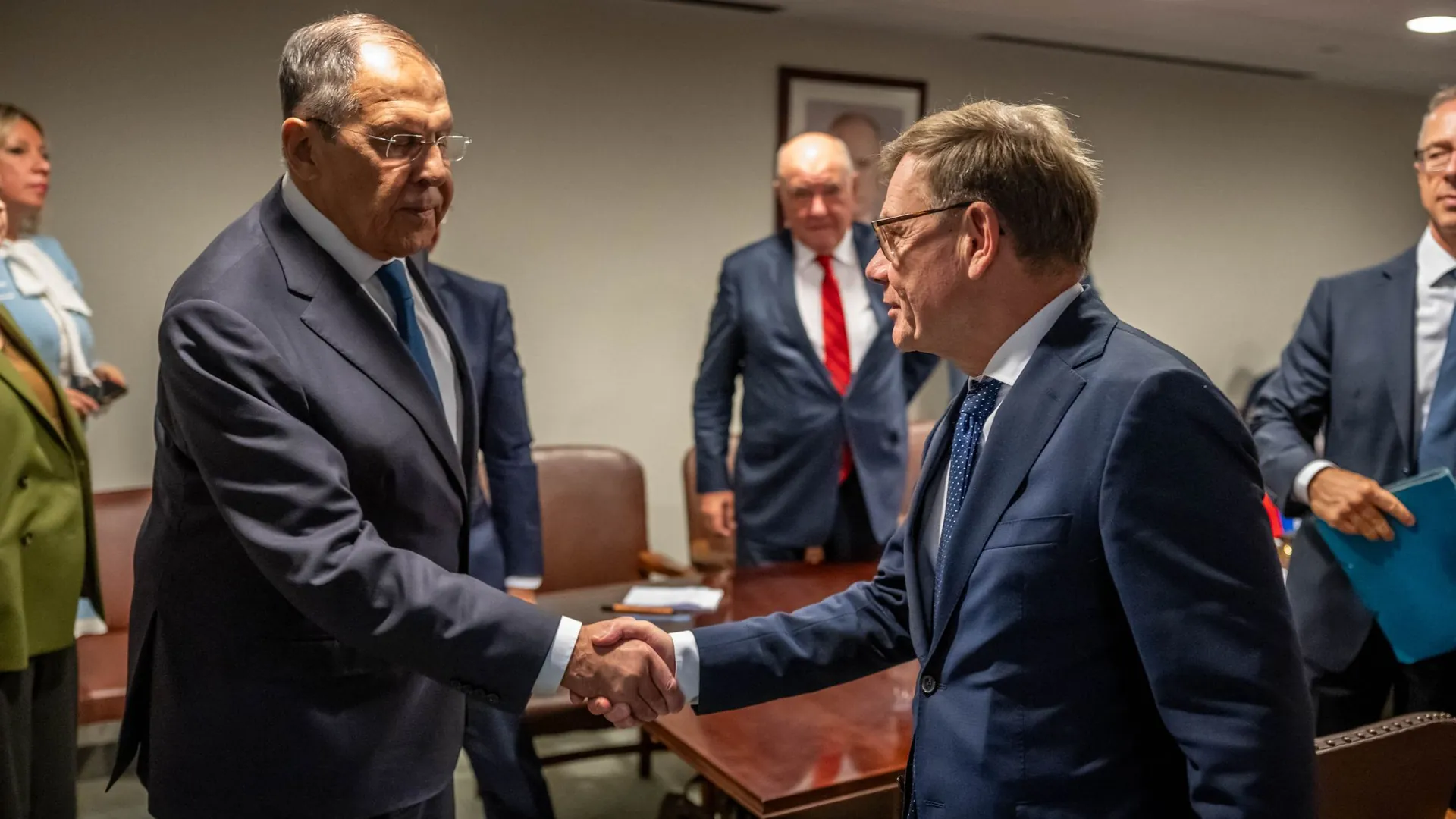
It was a short conversation. German Foreign Minister Johann Wadephul and his Russian counterpart sat for 20 minutes Sergey Lavrov on Saturday morning in new York together. And yet the external impact is incredibly large: The last meeting at this level took place in January 2022 – and therefore before the start of the Russian full-scale invasion of the country Ukraine.
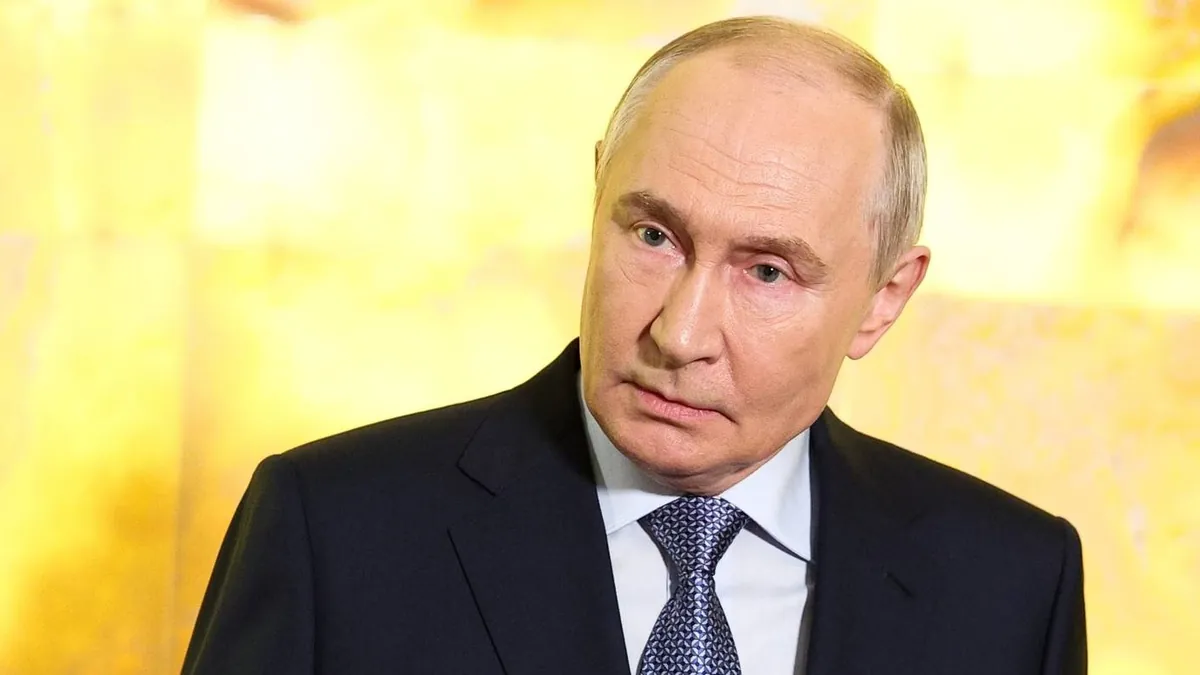
US Secretary of State Marco Rubio attracted even more attention on Wednesday: The US government has the Russian president Vladimir Putin invited to the G20 summit in Miami in December, Rubio announced – and the USA hope Putin accepts it. It would be his first participation since 2019.
- Trump in the White House: All information in the news blog
- Ukraine war: Russia’s mask falls in a moment
That the American and German governments took a step forward Russia is correct at this point in time. This does not rehabilitate Putin, but rather puts him under further pressure: If the president were actually interested in peace in Ukraine, he would have to accept the invitation.

If he doesn’t, he will become US President Donald Trump snub. This will in no way make the situation worse for Ukraine. Instead, it could further lead Trump to realize that Putin will only give in if the US provides Ukraine with greater military support. Seen in this light, the invitation is not a peace offer, but rather a test for Putin.
At first glance, the offer to the Russian President remains absurd: There is no reason to believe that the Russian President wants to end the war in Ukraine any time soon. Russian Foreign Minister Sergei Lavrov even recently rejected a ceasefire in the UN Security Council. He also complained about the conversation with Wadephul afterwards, saying it was unnecessary.
Worry about escalation
In fact, there is a greater likelihood that Russia will further escalate the war in the coming months: There is talk, for example, of a new mobilization to send more soldiers to Ukraine. And a number of NATO states in Central and Eastern Europe warned last week that Russia would soon consider a strike against a NATO state.
