
Before change of government
Orban is leaving, Magyar is coming – Hungary is starting to change its system
Updated May 9, 2026 – 4:00 amReading time: 4 minutes

The April election fundamentally plowed up the political landscape in the Danube region. What will shooting star Peter Magyar do with his superiority? And what will happen to long-term Prime Minister Viktor Orban?
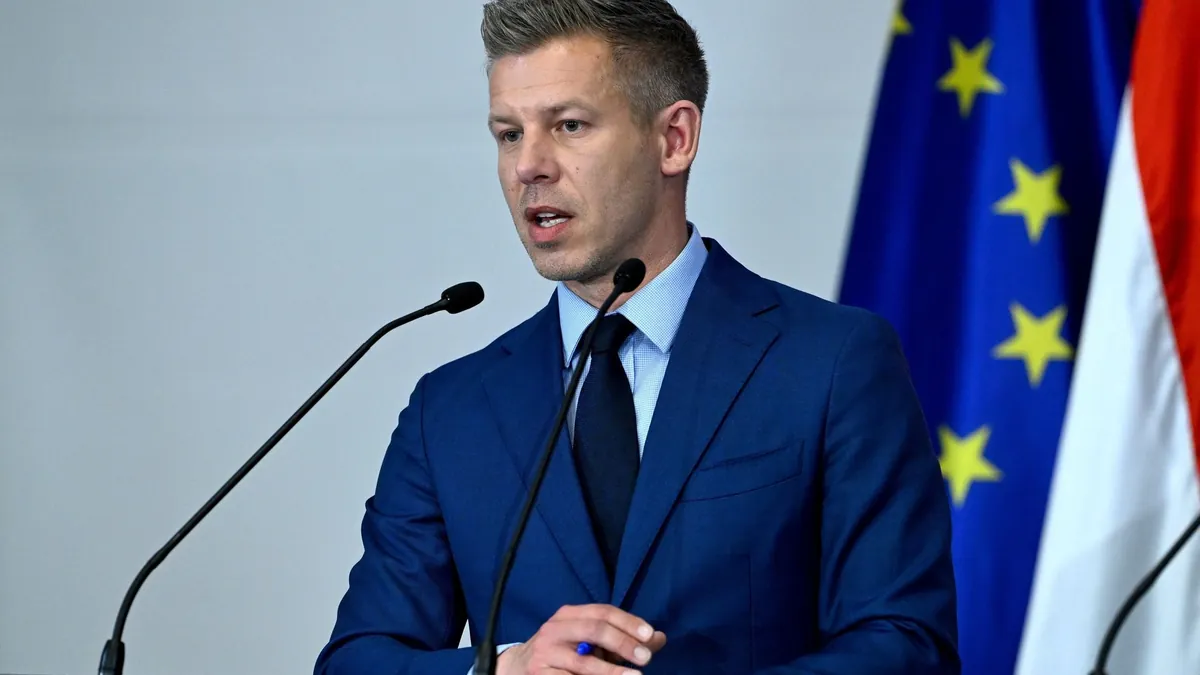
With the election of political whiz Peter Magyar as Prime Minister, the 16-year era of right-wing populist Viktor Orban is coming to an end in Hungary today. According to the agenda, the parliament elected in April will elect the leader of the bourgeois Tisza party to the highest government office in the afternoon hours. Magyar will then take the oath of office and thus take over the reins of government. Nothing less than a system change is on the horizon in the East-Central European EU country.
In the parliamentary election on April 12, Tisza secured 141 of 199 mandates – and thus has a two-thirds majority that can change the constitution. Orban’s Fidesz party only has 52 MPs. Only one other formation was able to overcome the five percent hurdle: the right-wing extremist party Our Homeland (Mi Hazank) won 6 mandates.
After the election, Magyar emphasized: “The voters have given us an enormous mandate, which comes with an enormous responsibility for us.” A “humane and functioning Hungary” was the central promise in his election campaign, which he conducted with tireless personal commitment.
In the years since 2010, Orban had created a hybrid system of rule with autocratic elements. With a new constitution, with laws and with the partisan appointment of institutions such as the Constitutional Court, he has dismantled the rule of law in Hungary and undermined democracy. The European Union (EU) therefore froze billions of euros in funding.
Orban’s pro-Russian and anti-Ukraine stance made the country an outsider in the European Union (EU). With his vetoes, the controversial Hungarian sometimes brought the European alliance to the brink of inability to act. The “illiberal democracy” proclaimed by Orban inspired right-wing populists around the world – from the German AfD to the MAGA movement around US President Donald Trump.
“We have set ourselves the goal of turning the system around,” said Magyar at his press conference the day after the election. “But we will not rebuild the rule of law with measures that violate the rule of law,” he added. The Tisza party’s two-thirds majority at least allows it to change the constitution and approve laws with constitutional status. At the same time, the criminal prosecution of alleged corruption under Orban, while adhering to constitutional norms, could become a lengthy procedure.
Magyar has called on those responsible in key institutions installed by Orban to resign on their own initiative. He set a deadline of May 31st for this. Among “Orban’s puppets,” as he calls them, are President Tamas Sulyok as well as the presidents of the Constitutional Court, Peter Polt, and the Supreme Court, Andras Varga, as well as the Supreme Prosecutor, Gabor Balint Nagy. In the end, Magyar could more or less brutally remove them from their positions with the Tisza party’s two-thirds parliamentary majority.
