
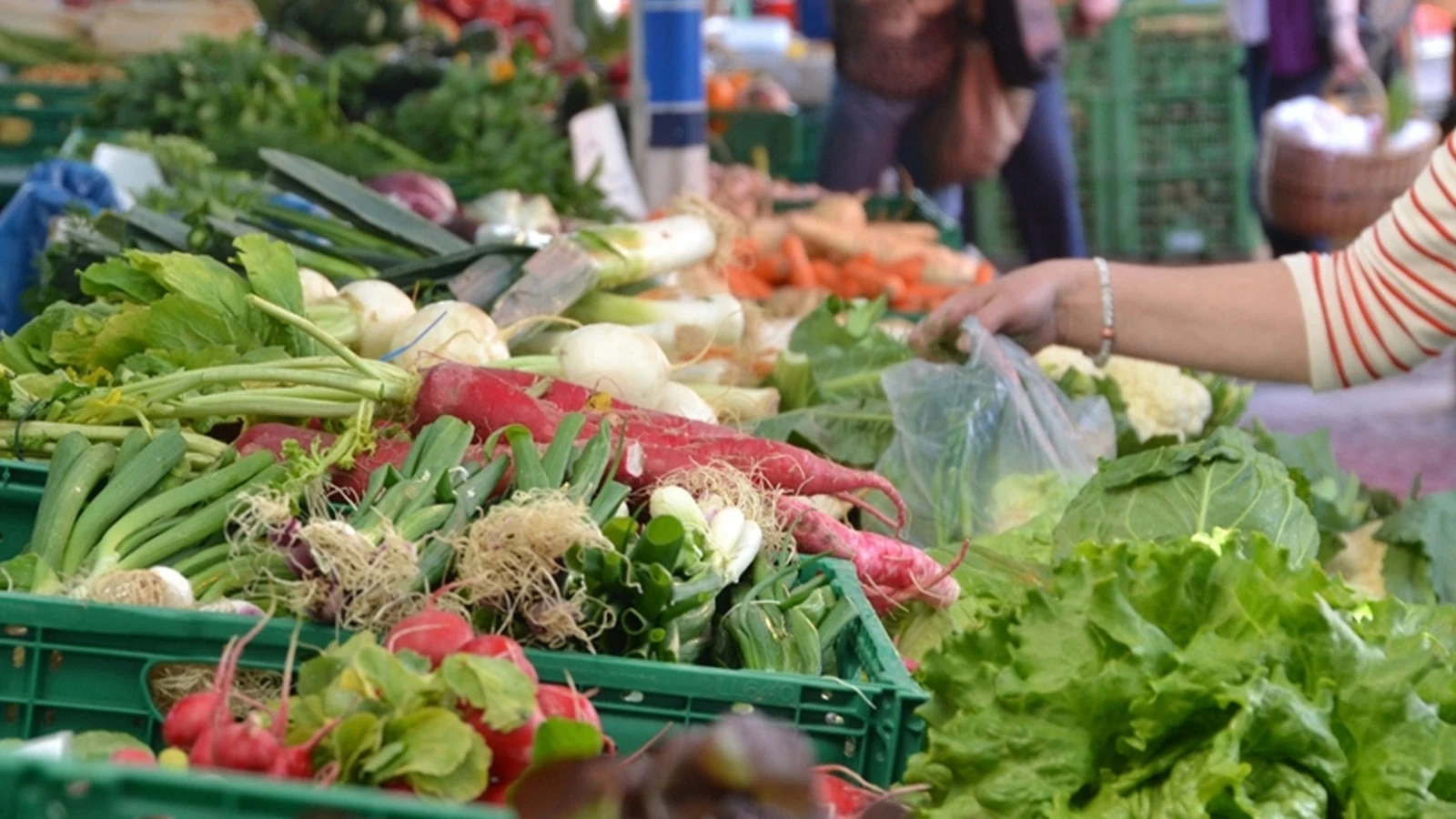
World food prices continued to rise for the third consecutive month due to rising energy prices and the impact of the war in the Middle East, rising 1.6 percent compared to the previous month to 130.7 in April and reaching the highest level in more than three years.
The world food price index, which tracks monthly changes in prices of grains, oilseeds, dairy products, meat and sugar, compiled by the Food and Agriculture Organization of the United Nations (FAO), rose to 130.7 in April from the revised level of 128.6 in March.
FAO had previously announced the food price index for March as 128.5.
World food prices peaked at 160.2 in March 2022 after the start of the Ukraine war.
FAO chief economist Maximo Torero stated that despite the crisis in the Strait of Hormuz, grain prices rose only moderately thanks to strong stocks and sufficient supply from previous harvests, but prices rose more sharply as rising oil prices in vegetable oils increased the demand for biofuels.
VEGETABLE OIL PRICE INDEX HAS INCREASED
FAO’s April vegetable oil price index increased by 5.9% on a monthly basis, reaching its highest level since July 2022, due to the increase in soybean, sunflower, rapeseed and especially palm oil prices supported by biofuel policies.
On the other hand, grain prices showed a more limited increase in April; While it increased only 0.8 percent compared to March, the increase on an annual basis was limited to 0.4 percent. Moderate price increases in products such as wheat and corn due to concerns about weather conditions, rising fertilizer costs and the increase in biofuel demand were effective in this increase.
FAO also reported that wheat cultivation areas are expected to decrease in 2026 as farmers turn to products that require less input due to the sharp increase in fertilizer prices.
On the other hand, due to the limited number of cattle ready for slaughter in Brazil, meat prices increased by 1.2 percent on a monthly basis in April, reaching a record. On the other hand, sugar prices decreased by 4.7 percent with the expectation that supply would be strong in Brazil, China and Thailand.
