
DRIVERLESS Taxis ARE ON THE ROADS
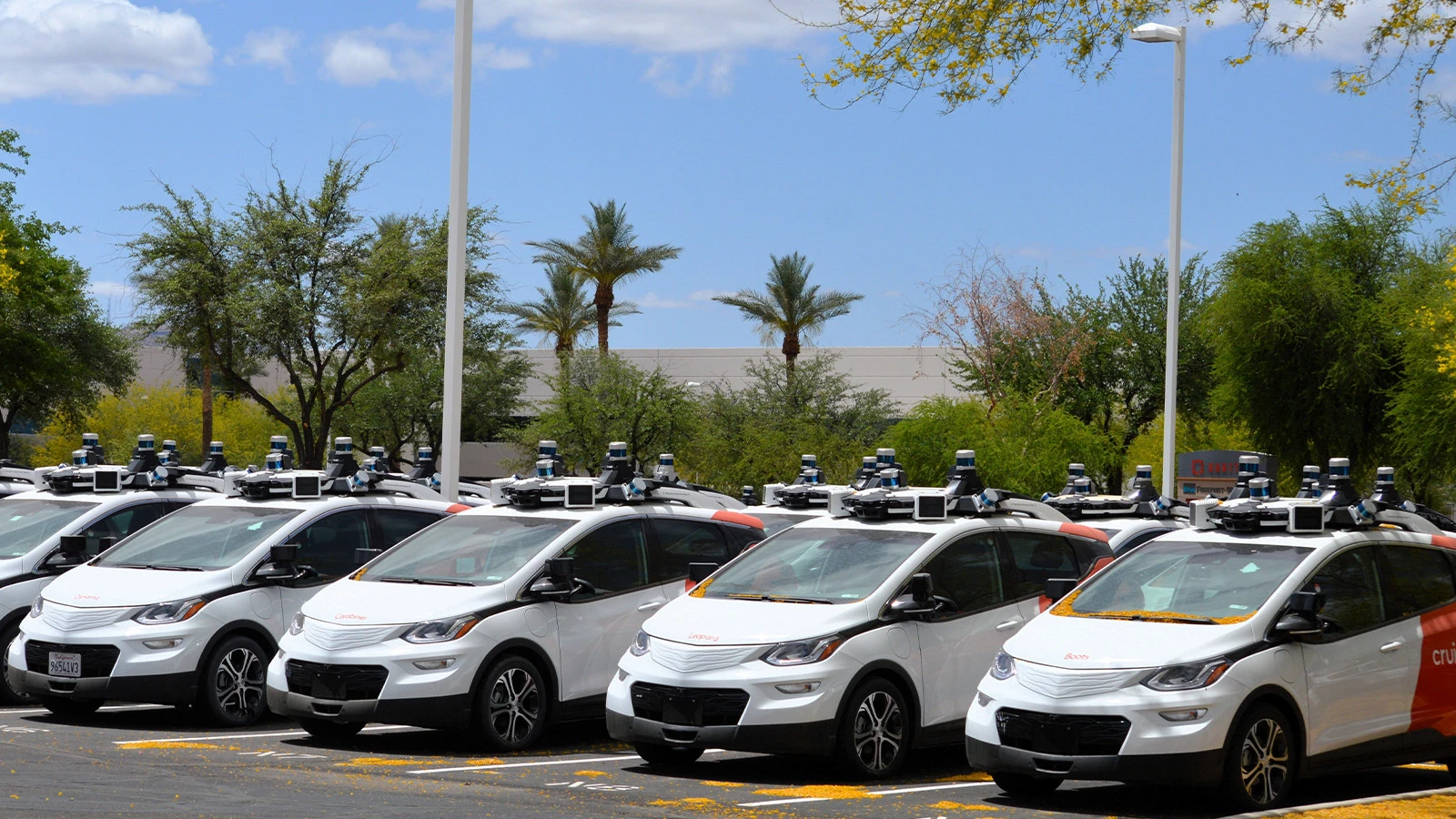
Robotaxis, which do not have a driver behind the wheel, have begun to be tested in real traffic conditions on European roads. Zagreb, the capital of Croatia, is becoming one of the leading centers of driverless robotaxi applications on the continent. In the tests carried out by Pony.ai and Verne, the vehicles were tested completely driverless on public roads.
THE NARROW STREETS OF EUROPE WILL BE A TEST
One of the problems preventing the widespread use of robotaxis in Europe is the complex structure of cities. Narrow streets, old road layouts, heavy traffic, pedestrians and unpredictable traffic situations are among the challenging scenarios that driverless systems may encounter. It is noted that European cities are different from the more regular and wide road structures in the USA in this respect.
LAWS ARE AS IMPORTANT AS TECHNOLOGY IN THE EU
One of the most important obstacles to robotaxis is legal regulations. In Europe, comprehensive rules apply regarding the conditions under which driverless vehicles can be on the road, who will be responsible for possible accidents, and what safety standards the vehicles must meet. The EU is creating a common regulatory framework for the safe deployment of automated driving technologies.
EXPANSION PLAN TO EUROPE
The applications in Zagreb are seen as one of the first steps towards the wider robotaxi market in Europe. Uber and Pony.ai plan to expand their robotaxi operations in Europe and reach other cities after Zagreb. The companies’ goal is to create a fleet of more than 2 thousand autonomous vehicles in Europe.
