
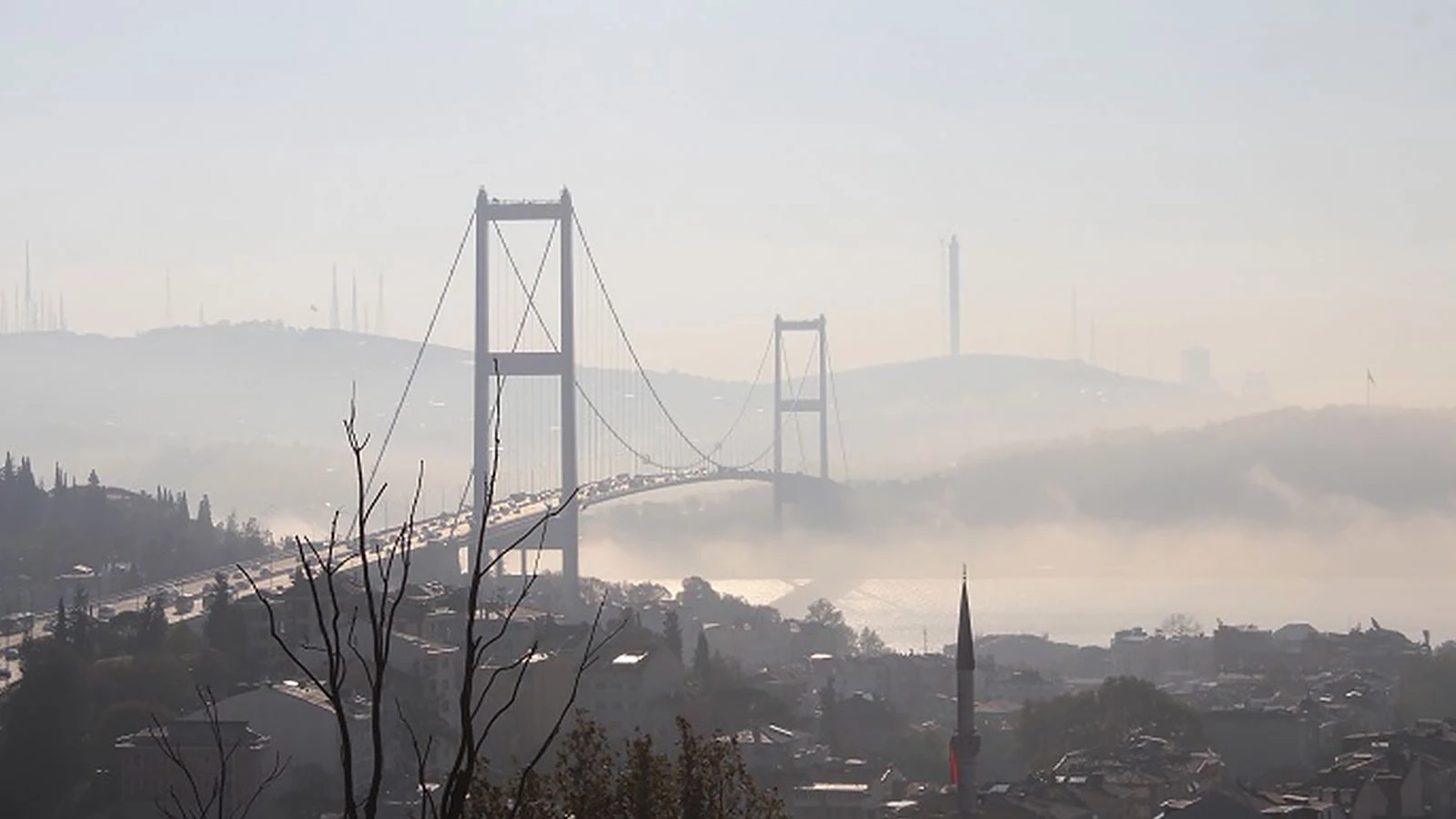
The picture regarding air quality is getting worse both on a global scale and in Türkiye specifically. Following the latest data emerging in the earthquake region, which is described as the disaster of the century, the 2025 World Air Quality Report published by IQAir more clearly revealed the deteriorating trend in air quality in many countries, including Turkey. According to analyzes based on measurements made in 143 countries, regions and a total of 9 thousand 446 settlements, Türkiye’s annual average PM2.5 value increased from 15.3 in 2024 to 19.2. This increase moved Türkiye up not only numerically but also in terms of its position in the global rankings. According to the data, Türkiye rose from 67th to 39th place in the list of countries with the most polluted air in the world within a year, and ranked fourth among the countries with the highest air pollution on a European scale.
NIEUWOUDTVILLE IS THE CLEANEST
While Bosnia-Herzegovina, North Macedonia and Serbia were in the top three of the list, it was noted that the gap between Türkiye and the following countries was gradually widening. On a global scale, Pakistan, Bangladesh and Tajikistan were at the top of the list of countries with the highest air pollution. The title of the most polluted city belonged to Loni in India. In contrast, Nieuwoudtville in South Africa was recorded as one of the settlements with the cleanest air in the world.
“IĞDIR, KONYA, DÜZCE”
Among the settlements measured in Europe, Iğdır was at the top of the list of cities with high air pollution. Buca (Izmir), Konya and Düzce also stood out among the cities with polluted air. The capital Ankara was also one of the cities that attracted attention on the list. It was observed that Ankara, which ranks 80th among world capitals with a PM2.5 value of 11.4 micrograms/cubic meter, continues to remain above the limit values determined by the World Health Organization. According to the report, the momentum of improvement in air quality has slowed down significantly, not only in Türkiye but also on a global scale. Only 14 percent of cities were able to meet the annual PM2.5 guideline value of 5 micrograms per cubic meter set by the World Health Organization. This rate was at 17 percent the previous year. It was recorded that this limit was exceeded in 91 percent of a total of 143 countries and regions. Only 13 countries and territories met WHO criteria.
URGENT TRANSFORMATION WARNING
Another striking element in the report was that a large part of the world’s population currently does not have access to local and real-time air quality data. Greenpeace Türkiye Climate and Energy Campaign Officer Emel Türker Alpay stated that the rise in Türkiye is a serious warning and drew attention to fossil fuel addiction. Alpay emphasized that Türkiye’s rise from 67th to 39th in one year is alarming. He said that the fact that half of the 10 most polluted spots in Europe are located in Türkiye requires an urgent transformation in clean air policies.
138 BILLION COST
Clean Air Right Platform Coordinator Deniz Gümüşel drew attention to the economic dimension of air pollution. Stating that the annual cost of PM2.5 pollution in Türkiye has reached 138 billion dollars, Gümüşel stated that this figure corresponds to approximately 10 percent of the gross domestic product of 2024. Gümüşel said, “The measures to be taken for clean air are much lower than the cost of polluted air on health and economy. Calculations reveal that the lives of more than 60 thousand people can be saved every year if the PM2.5 level is reduced.”
REACHES THE LUNGS
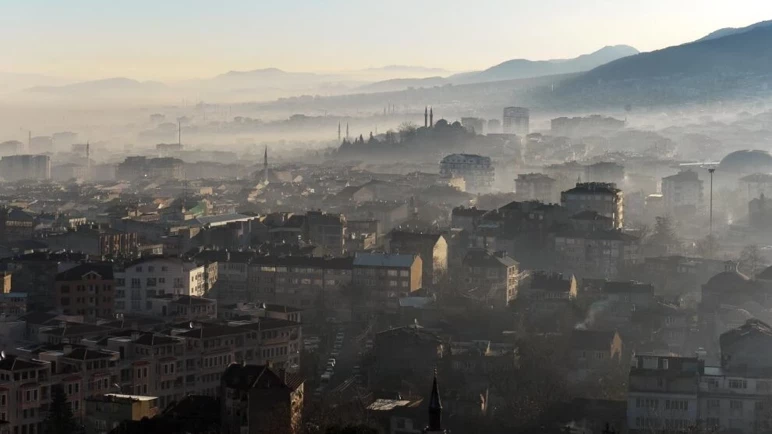
Prof., former Undersecretary of the Ministry of Environment and Urbanization. Dr. While touching on the importance of the problems caused by air pollution, Mustafa Öztürk shared the following information: “Scientifically, PM2.5 refers to particulate matter that is less than 2.5 micrometers in diameter and can reach the lungs directly through inhalation. These particles consist of components such as sulfates, nitrates, ammonium and black carbon; It arises from many sources, especially traffic, industry, energy production and agricultural activities. “At the same time, natural events such as forest fires and dust storms also increase this pollution.”
(email protected)
