
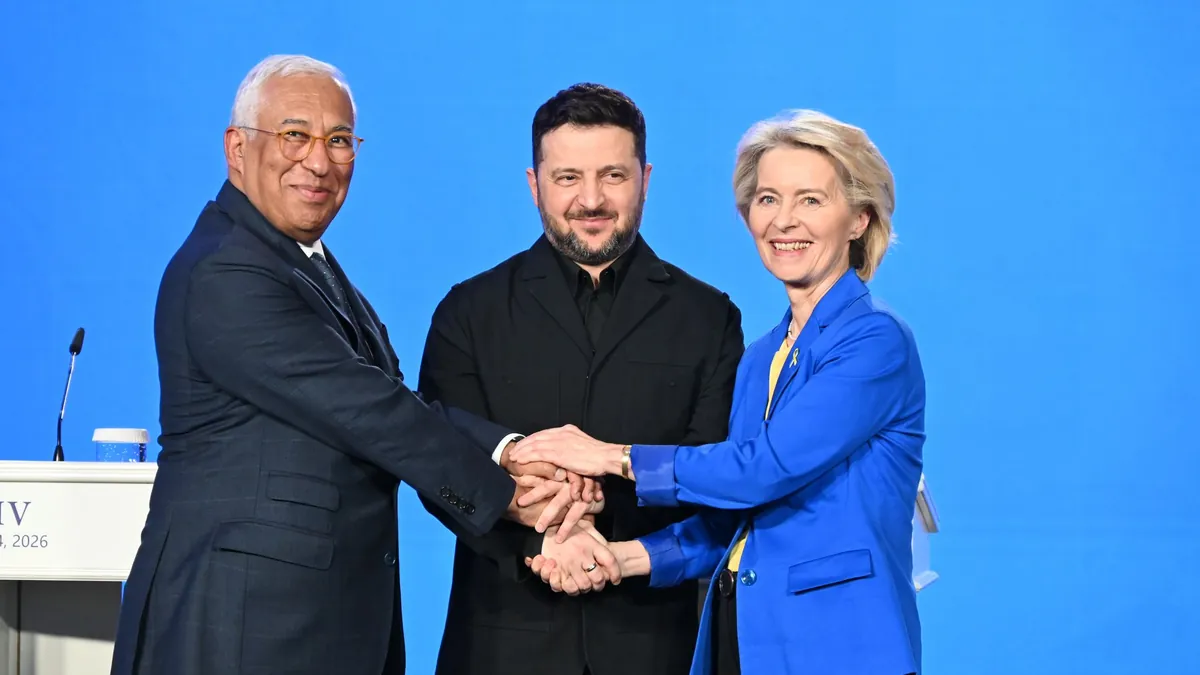
Deadlock overcome
Hungary’s turnaround opens the door to EU accession talks with Kyiv
Updated June 4, 2026 – 3:02 p.mReading time: 3 minutes

After years of stalemate, a political whiz kid in Budapest is setting a new course. Thanks to Peter Magyar, Ukraine’s gateway to Europe is opening just a crack.
After a two-year standoff, Ukraine and Moldova can hope for the official start of negotiations on EU accession. As the Cypriot EU Council Presidency announced on Wednesday evening, it had initiated preparations for the formal opening of the first phase of negotiations.
The reason for the standstill and its current dissolution is the balance of power in the EU country Hungary. Right-wing populist Viktor Orban ruled there until the beginning of last month. During his 16-year rule, he increasingly allied himself with Russian President Vladimir Putin. He behaved hostilely towards its eastern neighbor Ukraine, which Russia waged a war of aggression on.
The EU accession negotiations with Ukraine and Moldova actually began formally in June 2024. The next step, the opening of the first phase of negotiations, was tied to the renewed consent of all EU countries. In the case of Ukraine, Orban blocked it with his veto. His main argument at the time: Ukraine was disregarding the minority and language rights of the Hungarian ethnic group in the western Ukrainian region of Transcarpathia.
Election in Hungary reshuffled the cards
In the parliamentary elections in April, Orban’s Fidesz party lost resoundingly to the bourgeois Tisza party of the political whiz kid Peter Magyar. During the election campaign, Magyar castigated the conditions in Orban’s Hungary: the widespread corruption, the arrogance of the powerful, the rising cost of living, the needs of the common people, especially out in the countryside, where Orban’s core electorate was at home. He only touched on foreign policy issues vaguely. “We want to be a reliable partner for our Western and European allies again,” he said.
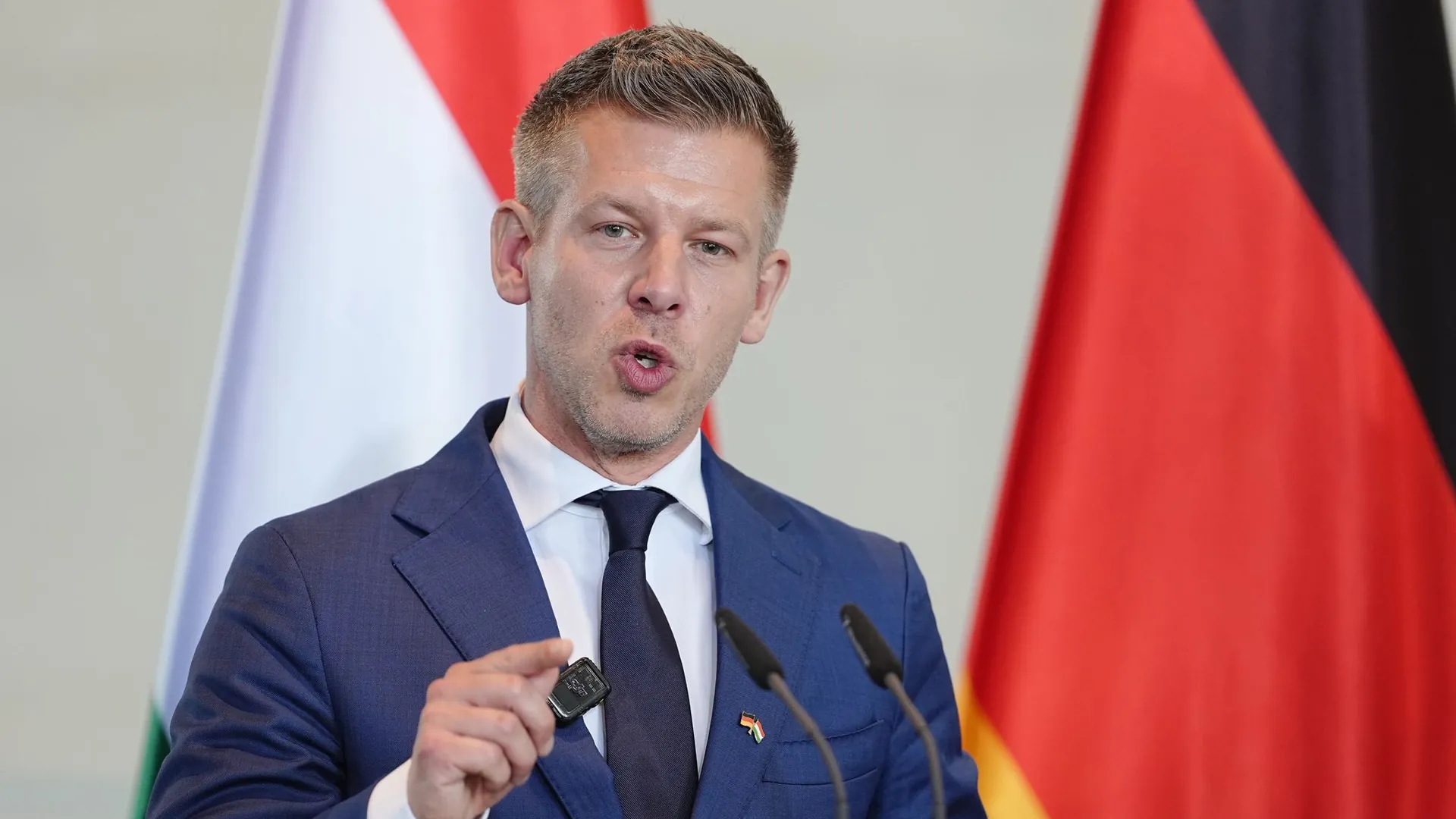
He confirmed this after his election victory. 16 years of Orban’s rule and merciless propaganda against the European Union (EU) and its top officials did not dissuade most Hungarians from their pro-EU stance. However, the incessant hate campaigns against Ukraine and its President Volodymyr Zelensky and the flooding of the media controlled by Orban’s people with pro-Russian narratives had their effect: the vast majority of Fidesz supporters adopted a pro-Russian and anti-Ukraine stance. Magyar won some of them over to his side with his emphatically domestic agenda.
Magyar: “Let’s talk about it!”
Against this background, Magyar emphasized after the election victory that the Hungarian veto against the next step in the EU negotiations with Ukraine would only be lifted when the minority rights of ethnic Hungarians in the neighboring country were restored. The allegations that Orban had already made had a kernel of truth. In its efforts to eliminate the effects of Soviet-era Russification, Kiev occasionally overstepped its bounds. Originally, native language teaching was largely abolished not only in Russian, but also in the languages of the minorities. According to Budapest figures, 100,000 ethnic Hungarians in Transcarpathia were affected.
