
Mandatory for all customers
What you need to tell your home insurer
September 16, 2026 – 2:19 p.mReading time: 3 minutes

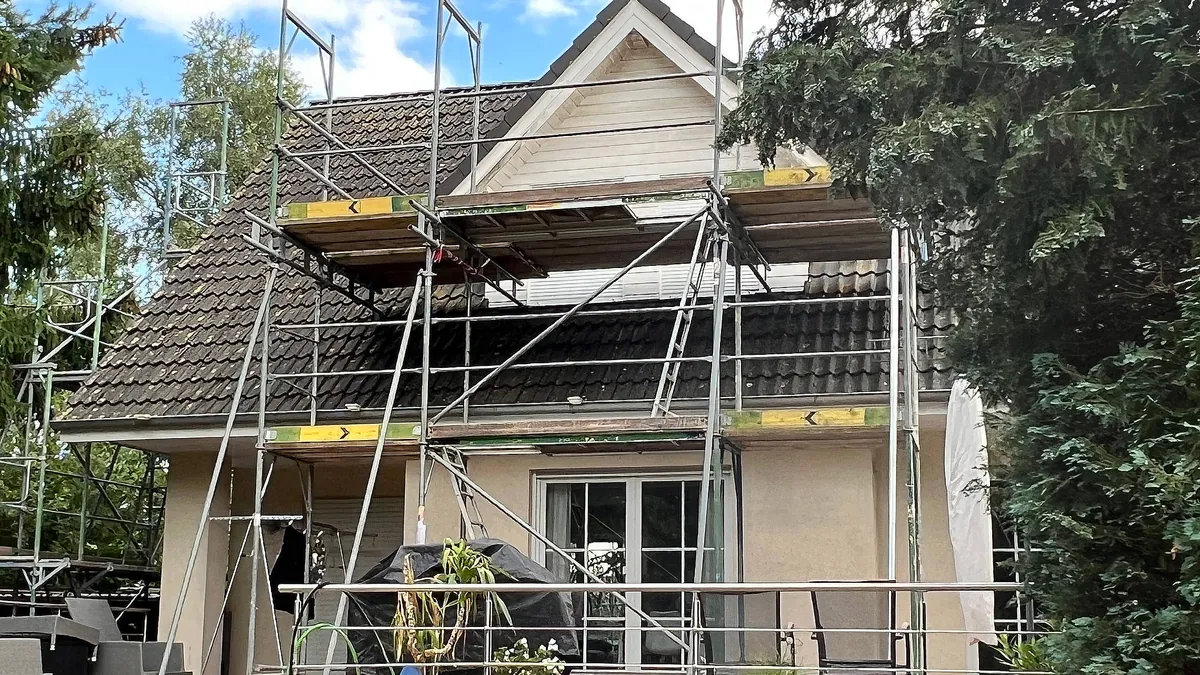
A new shop on the ground floor, scaffolding in front of the window – there are some things the household contents insurer also wants to know about. Anyone who stays silent risks losing their insurance coverage.
Communicate increased risk
A key obligation is to inform the insurance company about existing increases in risk. If a risk increases after conclusion of the contract that makes greater damage more likely, the policyholder may have to inform the insurance company.
Scaffolding on the house represents a widespread potential increase in risk. “Scaffolding can significantly increase the risk of a break-in,” says Christine Gilles, property insurance expert at R+V Versicherung. This allows burglars to use scaffolding like a ladder, making it much easier for them to reach upper floors.
- Crime statistics 2025: This city is now Germany’s burglary hotspot
- Big price differences: Household contents insurance: These tricks will save you money
However, as is often the case in insurance matters, it depends on the details. “A scaffolding does not automatically increase the risk,” says Julia Böhne from the Association of Insured Persons (BdV) to t-online. Decisive factors include the duration, existing protective measures and the question of whether the scaffolding actually makes access to windows or balconies easier.
What insurers see as an increase in risk
Other changes can also be seen as an increase in risk from the insurer’s perspective. These include, among others:
- the removal of agreed safeguards, such as an alarm system,
- a longer absence, so that the apartment is empty for a longer period of time,
- the move of a commercial business on the ground floor.
Not every one of these events automatically represents an increase in risk. The decisive factor is always the specific individual case and the respective insurance contract. However, a look at this can be deceptive. Some insurers do mention specific increases in risk that need to be reported in their contracts. But their list is not exhaustive, notes BdV expert Böhne.
She advises contacting the insurer as soon as possible if there are any changes. “Planned changes that could increase the insured risk should always be agreed with the insurer in advance. If changes have already occurred, the required notification should be made immediately.” Communication with the insurer should also be documented, advises Böhne.
“When in doubt, it is always better to report a change too much than too little,” advises R+V expert Christine Gilles. However, under certain conditions, the insurer can adjust the premiums, limit the insurance coverage or even terminate the contract – however, in the event of premium increases and risk exclusions, the policyholder also has the right to terminate.
