
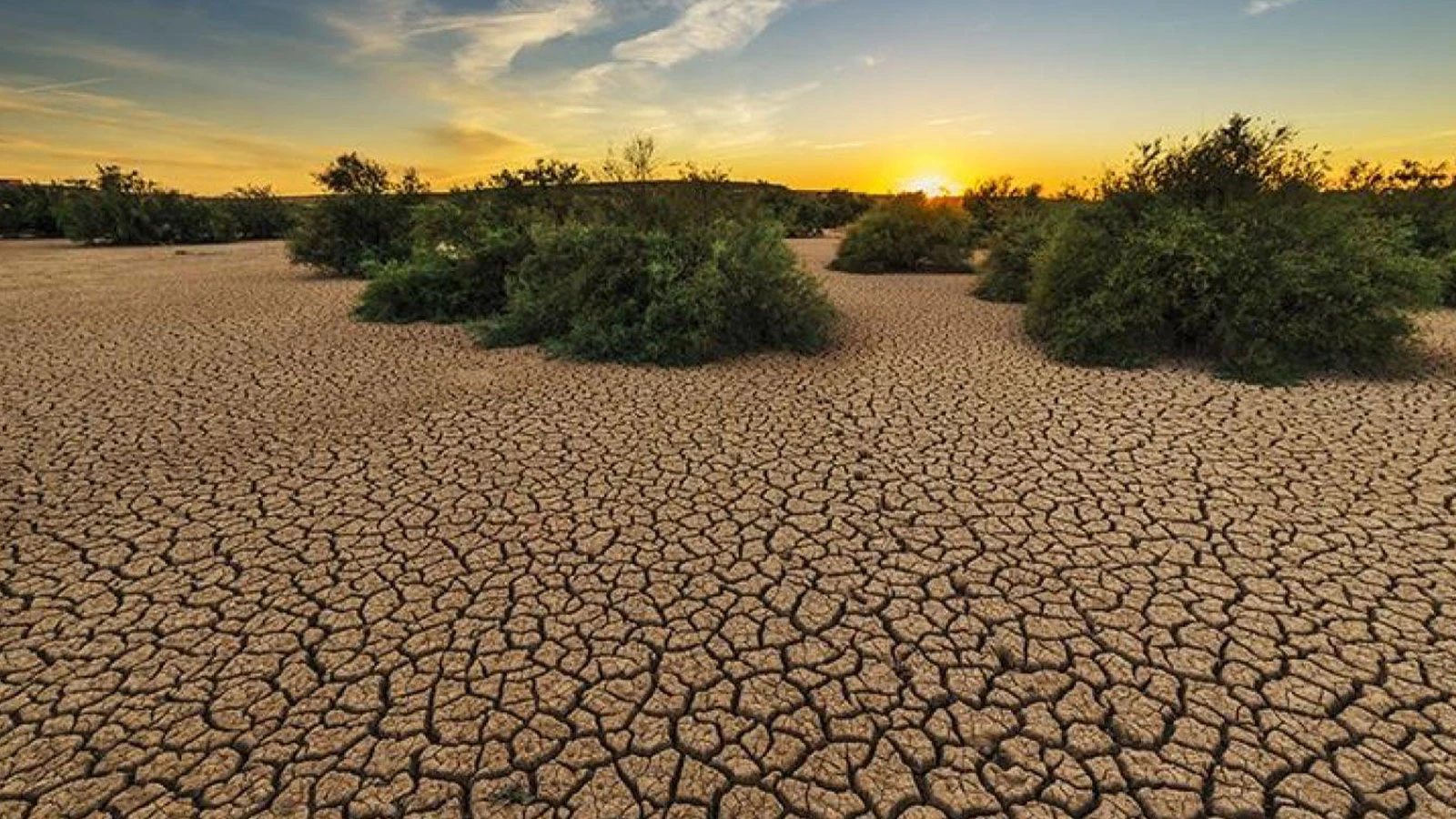
While the heat wave, which affected Türkiye and Europe in particular, raised alarms in terms of public health, alarming data this time came from the seas. According to data from the Copernicus Marine Service, global sea surface temperatures reached 21 degrees, while marine heat waves affected approximately 82 percent of the global oceans in the first half of the year. In the Mediterranean, the picture was much more striking. According to the data, the rate of area affected by marine heat waves increased to 98 percent in the Mediterranean. The average sea surface temperature reaching 24.3 degrees in the Mediterranean in June turned attention to the warming of the seas again in terms of the basin in which Türkiye is located. While Copernicus data revealed that marine heat waves were expanding steadily on a global scale in the January-June period, by the end of June, approximately 82 percent of the global oceans were exposed to marine heat waves of different intensities.
HERE ARE THE MOST FRAGILE AREAS
In addition to the seas, agricultural areas are also under threat due to increasing temperature values. According to the latest modeling, agricultural workers in 15 countries lose an average of 50 days a year due to heat stress. TuIn Turkey, Şanlıurfa, Hatay, Adana, Antalya, Çukurova, Aegean and Southeastern Anatolian plains are among the most vulnerable regions in terms of heat stress. Commenting on the latest data, Kırşehir Ahi Evran University Geography Department Lecturer Assoc. Dr. Doğukan Doğu Yavaşlı, on the other hand, pointed out that the Mediterranean Basin is a “climate change hot spot”. Yavaşlı said, “The basin is warming significantly faster than the global average. However, the real danger for agricultural workers is not only the air temperature seen on the thermometer. The main factor that determines the human body’s capacity to cope with the heat is the combined effect of temperature and humidity.”
IT DOES NOT GET COLD AT NIGHT
While drawing attention to the fact that temperatures rise not only during the day but also at night, Yavaşlı said: “The number of days called tropical nights, where the night temperature does not fall below 20 degrees, has increased rapidly in recent decades. This situation is of critical importance. Because the human body recovers from the heat load largely at night. When the night cooling disappears, the physiological load created by the heat accumulates day by day. For a worker working in the field for more than 12 hours a day during the harvest period, this accumulation means a direct health risk.”
THE WORLD WILL GET WARM
“Modelling studies conducted in Türkiye also show that heat stress will seriously reduce agricultural labor productivity. Summer labor productivity may decrease by up to 52 percent in some critical regions of Central Anatolia, the Aegean and the Eastern Mediterranean in the 2071-2100 period. This risk may also grow in the short term if a strong El Niño develops. Because El Niño temporarily pushes global temperatures up, adding to a world that is already more than 1.3 degrees warmer than pre-industrial levels.”

AGRICULTURAL PRODUCTS ARE DETERMINED
Shamika Mone, President of the Intercontinental Organic Farmers Network, also stated that extreme heat makes the already difficult job of farming even more difficult. Mone said, “Heat stress in agriculture is increasingly becoming one of the most critical links in the food safety chain. As the temperature increases, not only the products but also the labor that plants, irrigates, collects and carries those products come under pressure. As labor loss grows, harvest schedules may be disrupted, productivity may decrease, product quality may deteriorate and costs may increase. “This puts new pressure on food prices and supply security.”
FOOD SAFETY WARNING
Mone also said, “Heat waves are expected to be more frequent, longer and more severe in the coming period. Therefore, measures to protect agricultural workers stand out not only as social policies that improve working conditions, but also as strategic steps that protect food security.. “As heat stress increases, shade, water, rest, early warning and working hour regulations in the field become the basic needs for the continuity of agricultural production.”
(email protected)
